Nature's Masterpiece—The Breath and Pulse of the "Highland Sapphire"
The natural landscape of Qinghai Lake is an eternal dance of water, sky, flora, and wildlife.
The Waters of the Sacred Lake: China's Most Beautiful Blue
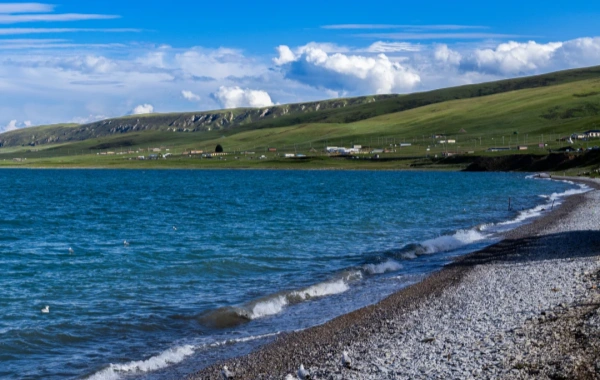
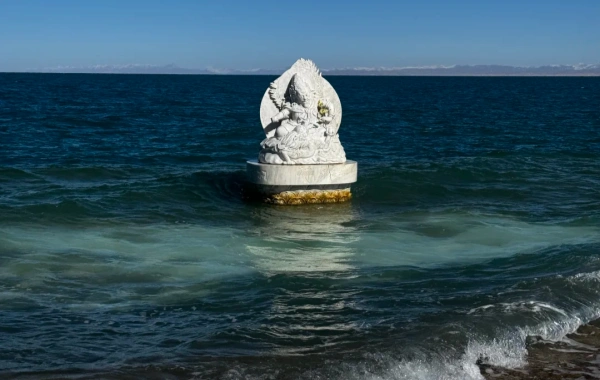
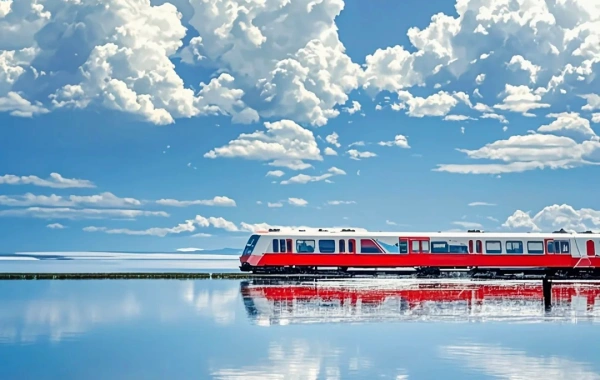
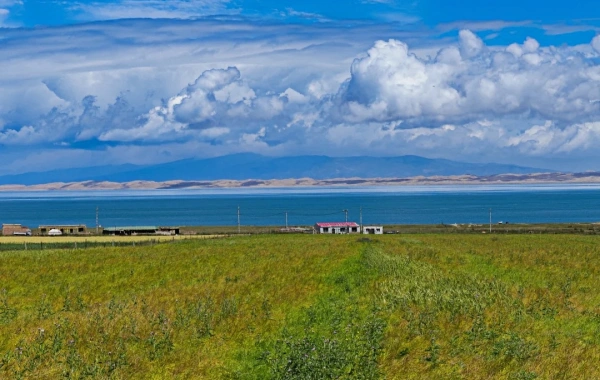
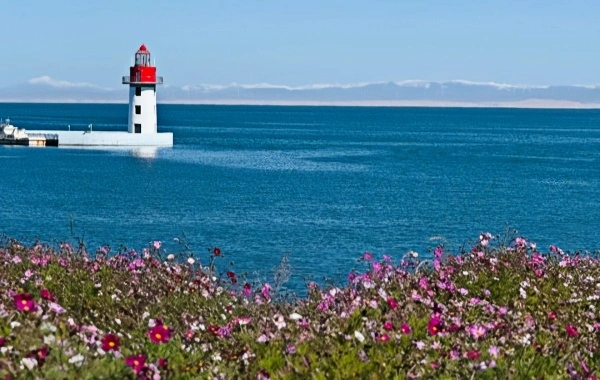
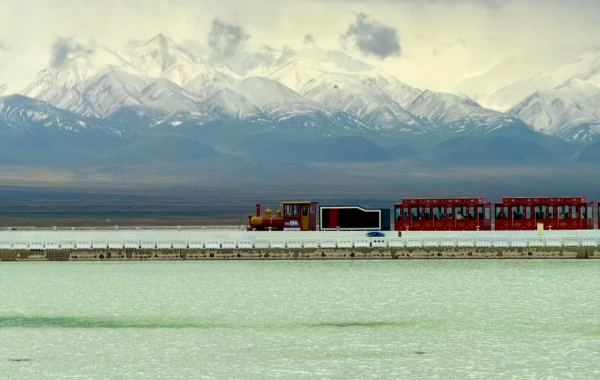
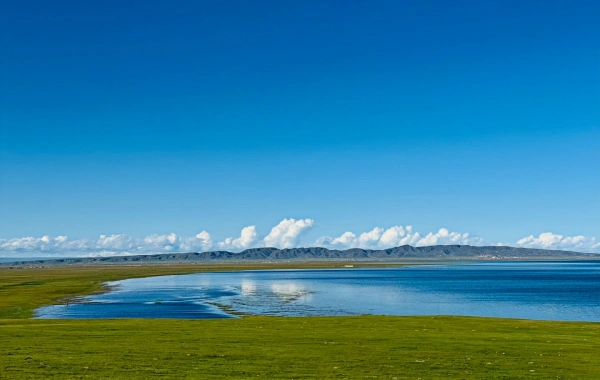
The primary allure of Qinghai Lake lies in its "color." Due to the water's relatively high salinity and exceptional clarity—reaching a transparency depth of 34 meters—the lake's absorption and reflection of light create a unique, mesmerizing blue-green hue. At dawn, the lake surface resembles an unpolished bronze mirror, shimmering with a soft, silvery-grey luster; at high noon, beneath the direct glare of the sun, the water transforms into a colossal sapphire—so deep and profound that it takes one’s breath away; as evening falls and the sun dips below the horizon, the lake is bathed in hues of gold and crimson, reflecting and harmonizing with the snow-capped peaks of the distant mountains.
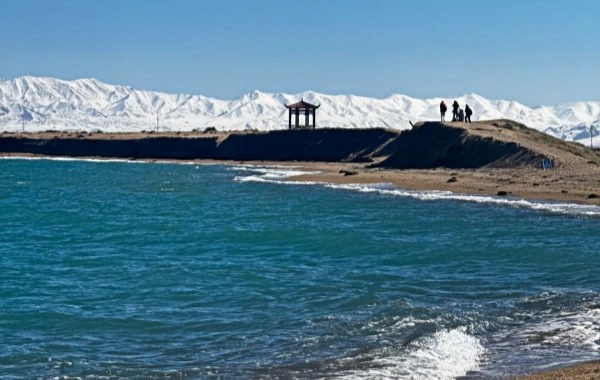
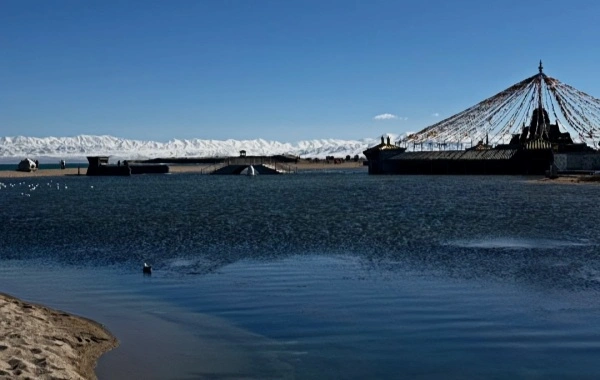
Erlangjian Peninsula: As the peninsula along the shores of Qinghai Lake that extends deepest into the water, this is an exceptional vantage point for gazing out upon this "sea." On clear days, the sandy beach on the peninsula's western side offers a seaside-like tranquility, earning it the moniker "the 'Sea' of the Plateau." Taking a boat ride further out into the lake allows one to truly experience the magnificent spectacle where water and sky merge into one seamless expanse.
Xiannvwan (Fairy Bay): Situated on the northwestern shore of Qinghai Lake, this site is known in Tibetan as Lamu Ke—meaning "the dwelling place of fairies." It is renowned for its vibrant plateau meadow wetlands and the magnificent, ever-changing scenery of the four seasons. Surrounded by wetlands and alive with the awakening calls of waterbirds, it serves as an ideal destination for both lake viewing and birdwatching.
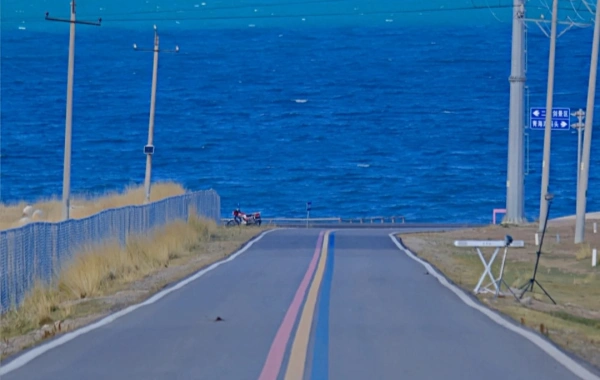
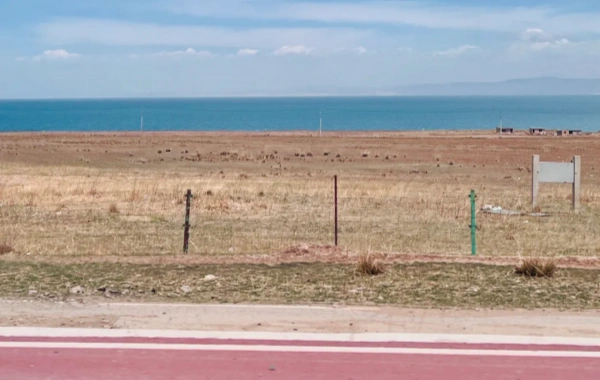
West Lake Road: The stretch of road running from Heimahe to Shinaihai is celebrated as the "Most Beautiful Lake-Circling Route." Hugging the shoreline closely, the road offers unobstructed views throughout its length, allowing travelers to pull over at any moment to capture stunning, cinematic-quality photographs of the lake merging with the sky.
The Spectacle of the "Lake Opening": A Spring Symphony on the Plateau
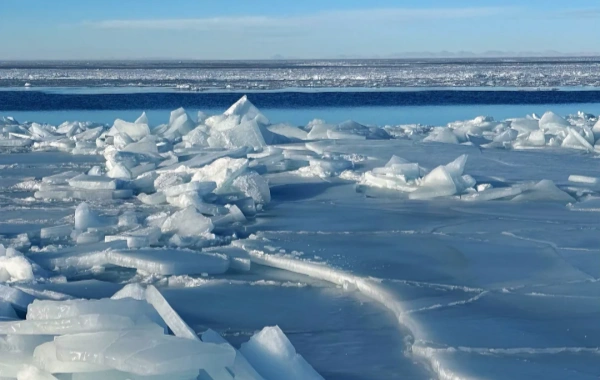
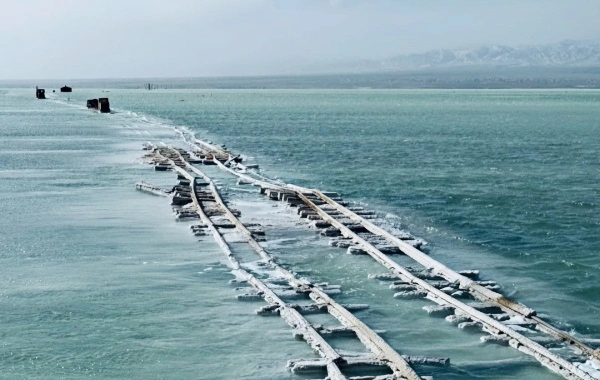
Every year from late March to mid-April, Qinghai Lake witnesses its most mysterious and magnificent annual event: the "Lake Opening." As spring breezes begin to blow, the lake ice starts to thaw, manifesting in two distinct and contrasting forms:
"Wen Kai" (The Gentle Opening): Like a tender poem. As temperatures gradually rise, the ice surface slowly thins and fractures, silently and imperceptibly dissolving back into shimmering azure waves. Beneath the surface, Huangyu fish—native to the lake—swim freely, creating a scene of profound tranquility and timeless serenity.
"Wu Kai" (The Fierce Opening): Like a majestic epic painting. Fierce winds sweep across the lake, causing the ice sheet to shatter instantly. Massive blocks of ice collide, grind against one another, and surge toward the shore, piling up to form spectacular ice dams. Local herdsmen refer to this phenomenon as the "Grand Review of the Dragon King of the West Sea"—a vivid demonstration of the raw power of nature.
The "Lake Opening" is not merely a natural spectacle; it is also regarded as an ecological omen of favorable weather and bountiful harvests, carrying deep emotional significance for the diverse ethnic communities living around the lake. Seas of Flowers and Grasslands: A Spectacular Clash of Colors
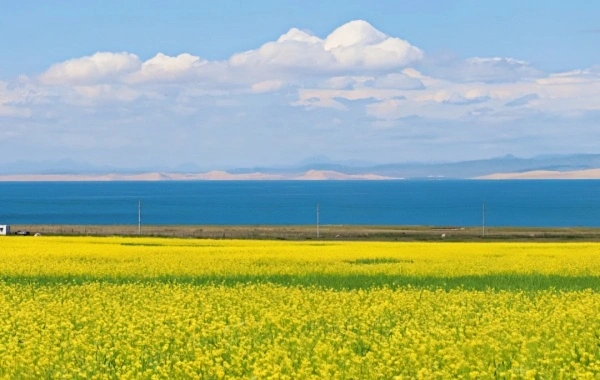
Canola Flower Fields (July–August): In the height of summer, hundreds of thousands of mu (acres) of canola flowers burst into bloom along the southern shores of Qinghai Lake. This golden sea of flowers creates a painterly clash of colors against the backdrop of the azure lake waters and pristine white clouds. The best vantage point is located at the junction of the East and South Ring Roads; local herdsmen offer access to their private flower fields for a modest fee of just 10–20 RMB per person.
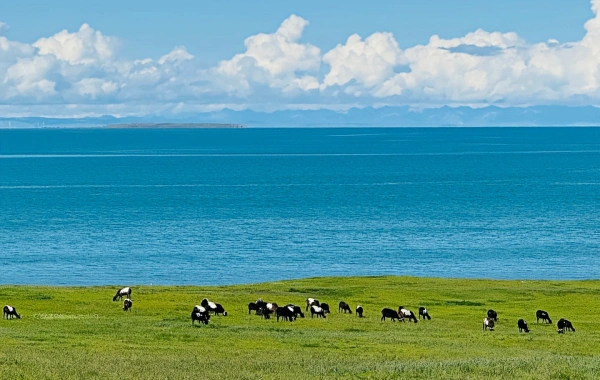
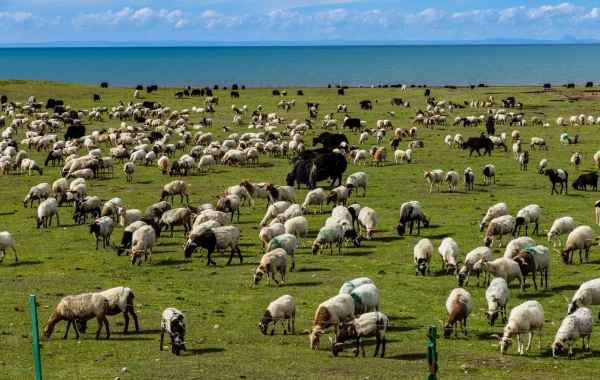
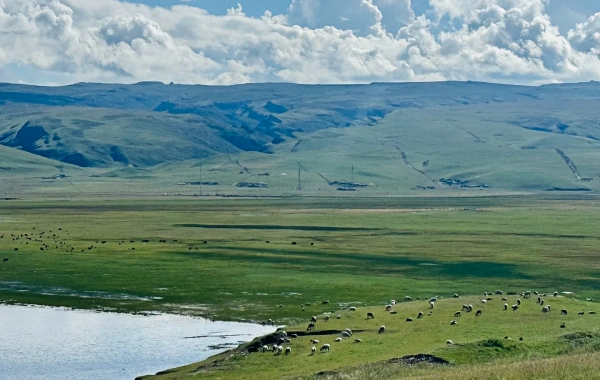
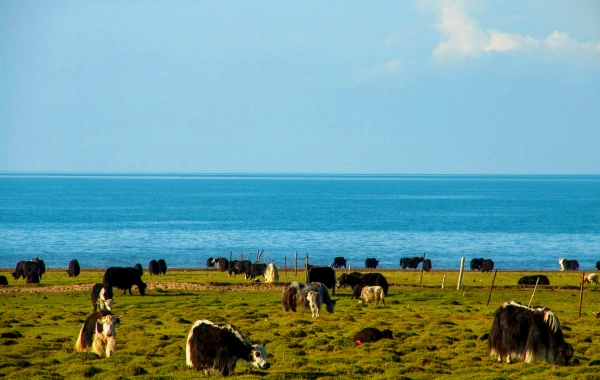
Jinyintan Grassland: It was here that Wang Luobin—hailed as the "King of Western Folk Songs"—penned the timeless classic In That Faraway Place. In summer, Jinyintan transforms into a lush green carpet dotted with wildflowers and herds of grazing cattle and sheep, making it the perfect destination for experiencing the authentic charm of the grasslands.
The Dance of Life: China’s Most Beautiful Migratory Bird Sanctuary
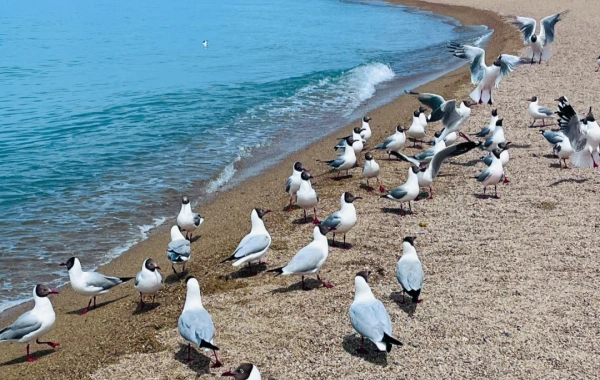
Bird Island (May–June): Every year at the transition from spring to summer, tens of thousands of migratory birds—including Bar-headed Geese, Common Gulls, and Brown-headed Gulls—fly north from their wintering grounds to Bird Island to breed. Their calls can be heard for miles around, and the sight of fledgling birds taking their first tentative steps fills the air with vibrant vitality.
The Migration of the Huangyu (June–July): To complete their reproductive cycle, the Qinghai Lake Naked Carp (Huangyu) swim upstream against the current into the freshwater rivers feeding the lake. Along the banks of the Shaliu River, a spectacular natural wonder unfolds once again: a river appearing "half clear water, half fish." It stands as nature's most awe-inspiring tribute to the miracle of life.
> Photography Tips:
> Erlangjian Peninsula: Shoot at sunset to capture the "Highland Sea"; the silhouettes of the lake ice and sandy beach against the backlighting create a deeply poetic scene.
> West Ring Road: Offers unobstructed lake views paired with the visual leading lines of the highway—ideal for stunning aerial photography via drone.
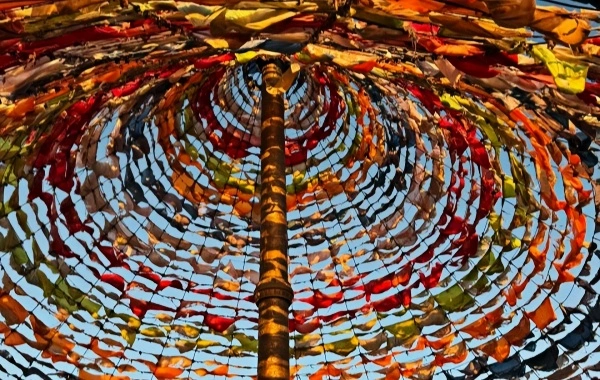
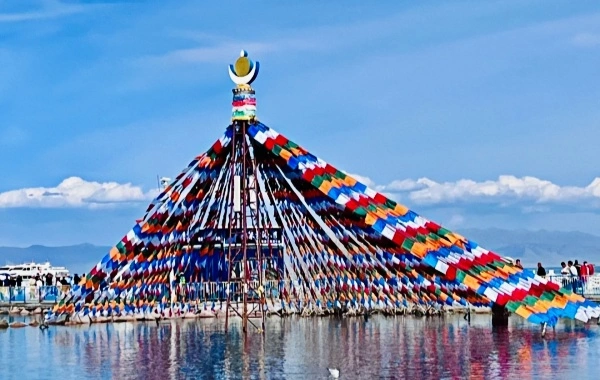
> Cliffside Vantage Point: Navigate to "Daxiumulabuza" (达秀木拉布宰); frame your shot with the cliff edge in the background and traditional Tibetan prayer flags in the foreground—wearing a white dress makes for an especially striking photo.
> Heimahe (Black Horse River): At sunrise, the lake surface transitions from an inky blue to a radiant golden-red hue, while swirling morning mists create an ethereal, fairyland-like atmosphere.
Cultural Ingenuity: Traces of Civilization by the Sacred Lake
The Sea-Worship Ritual: The Spiritual Legacy of a National Intangible Cultural Heritage
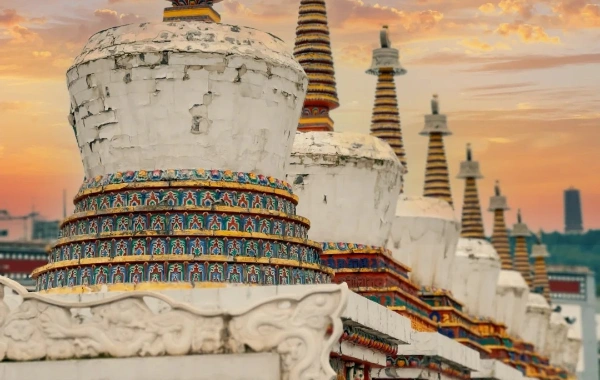
The Qinghai Lake Sea-Worship Ceremony (Jihai) is recognized as a National Intangible Cultural Heritage of China. It serves as a profound vessel for the rich spiritual beliefs and cultural traditions of the diverse ethnic groups inhabiting the region surrounding the lake. Traditional activities such as Sang burning (incense offering), lake worship, and ritual circumambulation have been passed down through generations, embodying people's cherished hopes for peace, harmony, and favorable weather. Herders craft biodegradable "ecological treasure vases"—made from barley flour and yak butter—and release them into the lake as a humble expression of gratitude for the sacred lake's sustenance. When performing the ritual circumambulation for blessings, one must walk in a clockwise direction; strictly avoid stepping on prayer flags or touching any sacrificial offerings.
Lakeside Dwellings and Tibetan Charm
Heimahe Tibetan Homestays: Open your window at dawn to witness the sunrise; a traditional Tibetan earthen hotpot offers warmth for both body and soul during the chilly highland nights.
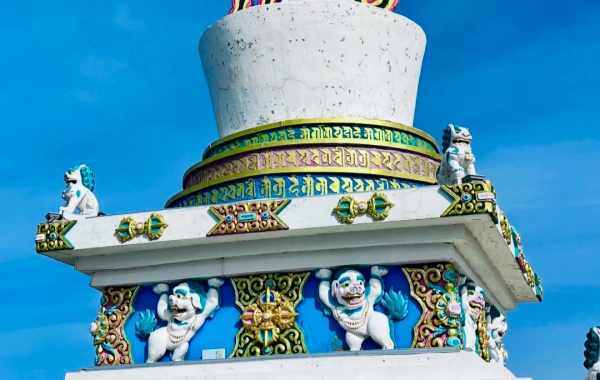
Gangcha Tibetan Hotels: Experience authentic Tibetan architectural styles and decorative arts, and gain insight into the wisdom of life among the highland ethnic communities.
Culinary Delights of Qinghai Lake
Must-Try Flavors: Kuangguo Lamb (pan-fried lamb—aromatic and soul-satisfying); Yak Yogurt (topped with a golden layer of milk skin—tangy, sweet, and thick); Shouzhu Lamb (hand-torn boiled lamb served with a salt-and-pepper dipping blend); Gamenpian (hand-pulled noodle flakes in a tomato and lamb broth); Goujiaoniao Flatbread (a unique Qinghai-style pan-fried flatbread).
Important Note: The Huangyu (Naked Carp) of Qinghai Lake is a nationally protected species; please do not consume it.