Zhenru Temple: A Seven-Hundred-Year Guardianship from its Original Yuan Dynasty Hall to its Transformation into an Urban Zen Forest

Zhenru Temple: A Seven-Hundred-Year Guardianship from its Original Yuan Dynasty Hall to its Transformation into an Urban Zen Forest

Overview: A hidden gem of Yuan Dynasty wooden architecture
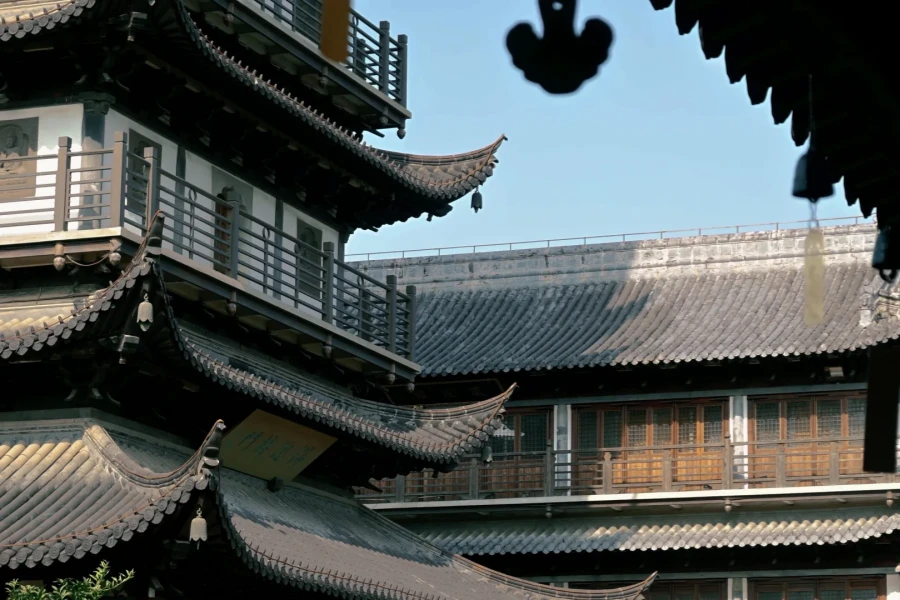
Zhenru Temple, standing majestically for seven hundred years, is an extremely rare original Yuan Dynasty wooden structure in the Jiangnan region. It is not only a sacred place for Buddhist believers to meditate, but also a must-visit destination for ancient architecture researchers, history enthusiasts, and those seeking urban tranquility.

Key Highlights at a Glance
Identity tags: Shanghai's oldest wooden structure / A unique example of Yuan Dynasty architecture in Jiangnan / A Buddhist sanctuary hidden in the city
Core Experiences: Admire the wooden structure of the Yuan Dynasty main hall, explore the century-old ginkgo tree, listen to Buddhist chants, and savor Zen tea and vegetarian cuisine.
Recommended visit time: 1-2 hours; suitable as a stop on an in-depth cultural tour of Shanghai.
Address: No. 399 Lanxi Road, Putuo District, Shanghai

  • Zhenru Temple: A Seven-Hundred-Year Guardianship from its Original Yuan Dynasty Hall to its Transformation into an Urban Zen Forest-1
  • Zhenru Temple: A Seven-Hundred-Year Guardianship from its Original Yuan Dynasty Hall to its Transformation into an Urban Zen Forest-2
  • Zhenru Temple: A Seven-Hundred-Year Guardianship from its Original Yuan Dynasty Hall to its Transformation into an Urban Zen Forest-3
  • Zhenru Temple: A Seven-Hundred-Year Guardianship from its Original Yuan Dynasty Hall to its Transformation into an Urban Zen Forest-4

Origin: A confluence of causes and conditions and seven hundred years of incense offerings

Furong Ancient Town

The True Meaning of the Temple's Name—The Buddhist Implication of "True Suchness"
The name "Zhenru" originates from the core Buddhist doctrine, meaning the true nature of all phenomena—"real, unchanging, and eternally constant." The temple's name reflects the practitioners' supreme pursuit of realizing the eternal truth of the universe. The area where it is located was originally called "Taoxi," but after the temple prospered, the entire region was renamed "Zhenru," demonstrating the temple's profound influence on the local cultural roots.

Ancient Temple Chronicles: From Song Dynasty Officialdom to Yuan Dynasty Masterpieces
The history of Zhenru Temple is a condensed history of Shanghai's local history and architecture.
- Originating in the Tang Dynasty and relocated in the Song Dynasty: It is said that it was first built in the Tang Dynasty, but the one with a definite date is the Jiading period of the Southern Song Dynasty, when an official surnamed "Zhen" donated his house to be built into a temple, which was initially named "Zhenru Temple".
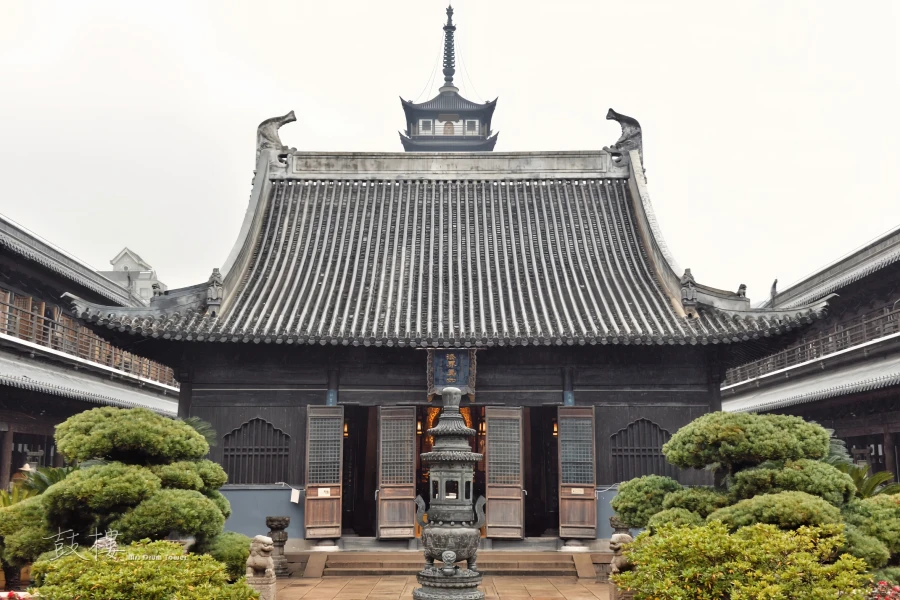
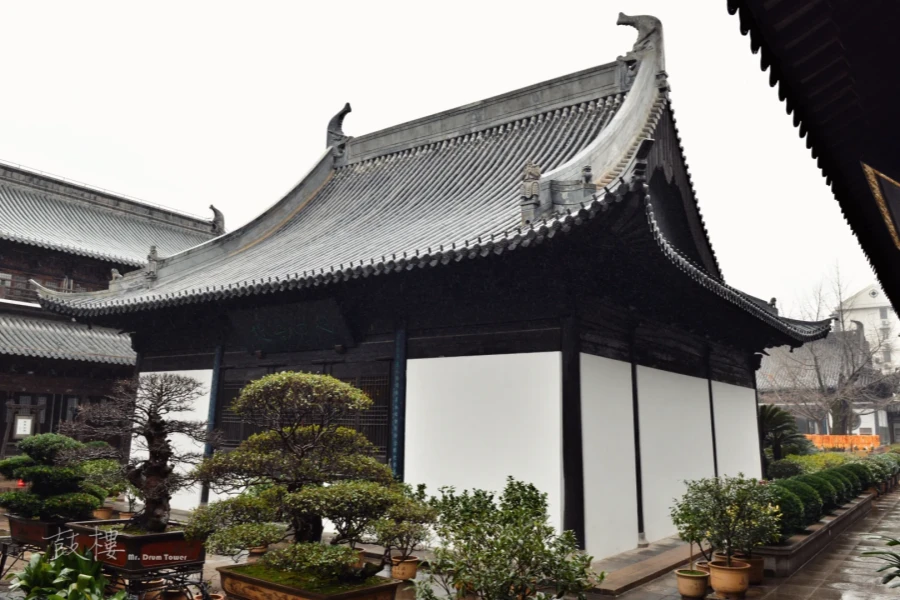
- The Yuan Dynasty brought about a change of dynasty, but the main hall remained standing: In the seventh year of the Yanyou era of the Yuan Dynasty (1320), the monk Miaoxin moved the temple to its current location and raised funds to build the core Mahavira Hall. This hall adopted the mainstream architectural style of the Jiangnan region at that time. Its preciousness lies in the fact that it is the only main body with the complete preservation of the Yuan Dynasty wooden structure and components during the numerous renovations in the Ming and Qing Dynasties.
- Continuing from the Ming and Qing Dynasties, rising and falling in the Republic of China: During the Ming and Qing Dynasties, temples were repeatedly expanded, forming a complete temple layout. During the Republic of China period, war and turmoil caused it to decline for a time, but the main hall from the Yuan Dynasty miraculously survived.
- A Modern Rebirth, a National Treasure Rejuvenated: After the founding of the People's Republic of China, Zhenru Temple received high attention. In 1963, the Yuan Dynasty main hall was listed as a Shanghai Municipal Cultural Relics Protection Unit; in 1996, it was upgraded to a National Key Cultural Relics Protection Unit. Through numerous scientific restorations, the temple has regained its vitality while maintaining its historical authenticity, becoming an important cultural heritage landmark in Shanghai.

In-depth understanding: Explore more treasures of ancient Chinese architecture >> [The Humble Administrator's Garden in Suzhou]

Must-see wonders: an epic wooden structure and a Zen-like garden

Furong Ancient Town Furong Ancient Town Furong Ancient Town Furong Ancient Town

The charm of Zhenru Temple lies in its architectural value of "one hall determining the universe" and its garden Zen realm of "one tree, one world".

Humanistic Ingenuity: The Yuan Dynasty Code of Silent Wooden Structures
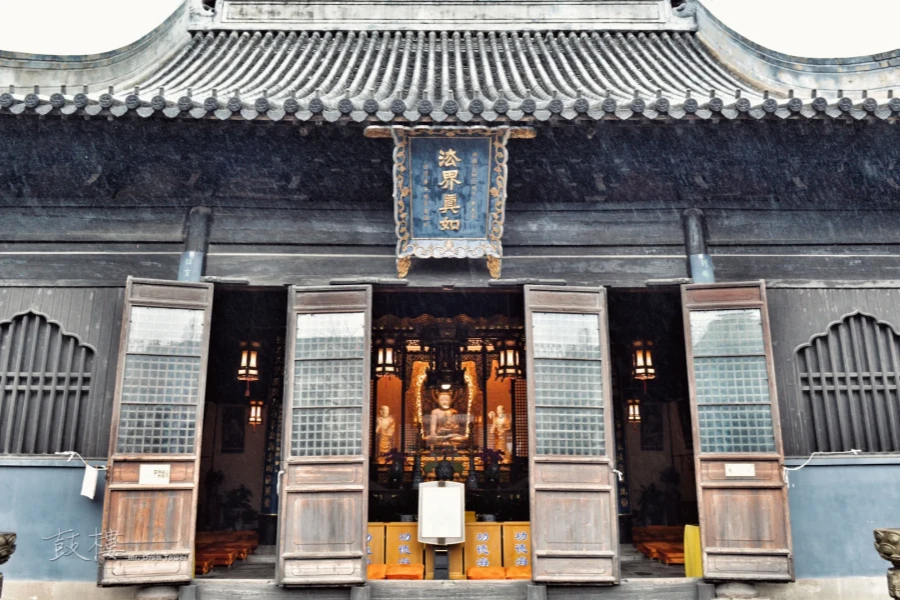
The soul of Zhenru Temple lies entirely in that Yuan Dynasty main hall that has stood for seven centuries.

- Yuan Dynasty Main Hall (Mahavira Hall): This is one of the few authentic Yuan Dynasty wooden structures in southern China. Its architectural features are extremely distinctive:
- Floor plan: Three bays wide and three bays deep, forming a square shape, with a grand scale and simple style.
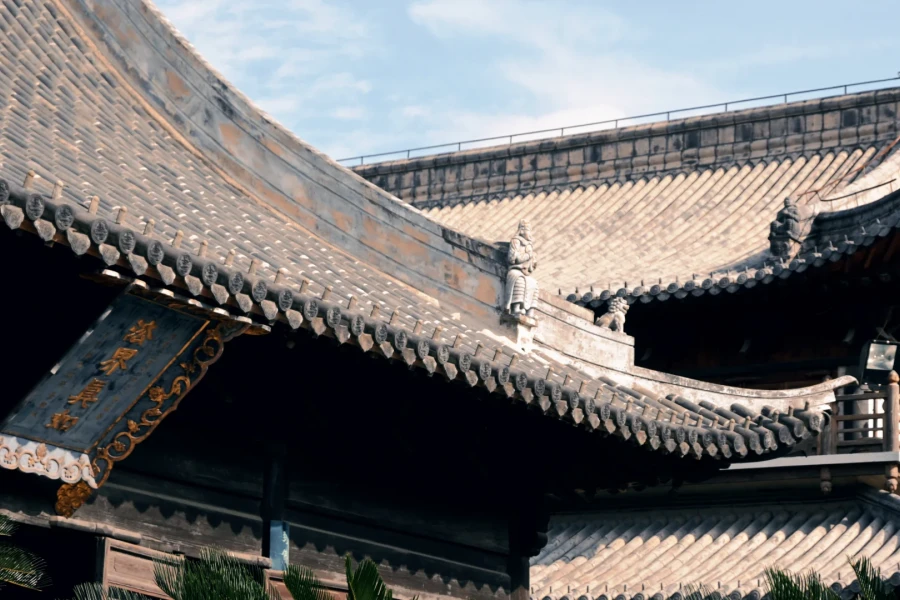
- Wooden Structure Features: The interior of the hall adopts the "exposed roof" construction, meaning the beam structure is completely exposed without a ceiling. Looking up, one can see massive moon beams, prismatic columns, and exquisite camel-hump brackets and dougong (bracket sets), which serve both as load-bearing structures and artistic decorations, showcasing the superb craftsmanship of Yuan Dynasty artisans. Many wooden components still retain ink inscriptions from that time, clearly recording the names of the craftsmen and the construction date, providing direct evidence for dating.
- Column bases and floor tiles: Some of the stone column bases inside the hall are shaped like lotus petals, which is a typical Song and Yuan style. Some of the floor tiles are also original Yuan dynasty artifacts, which can be called "living fossils".
- Precious cultural relics within the temple:
- Ancient bronze bell from the Ming Dynasty: Hanging in the bell tower, cast in the second year of the Hongwu reign of the Ming Dynasty (1369), the bell has a deep and resonant sound with a long aftertaste.
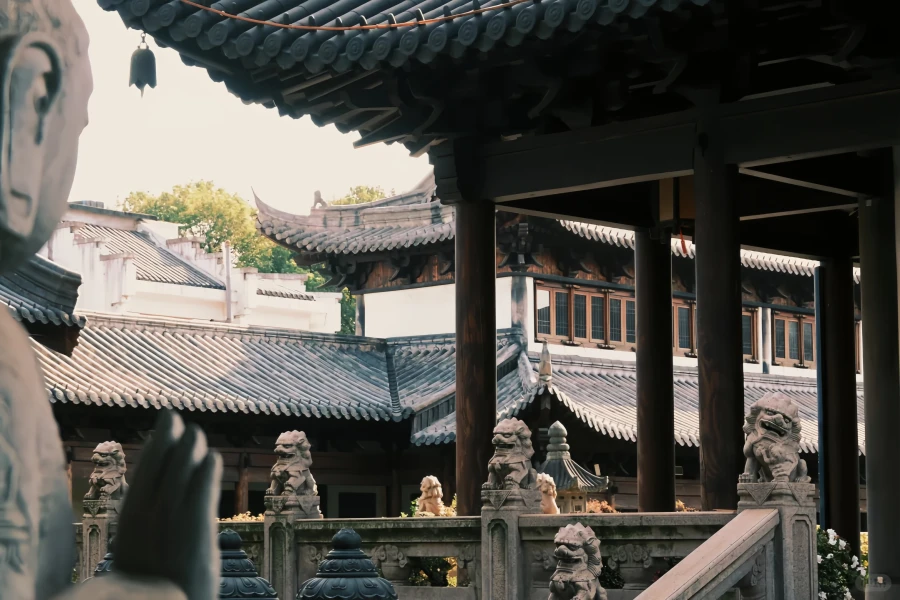
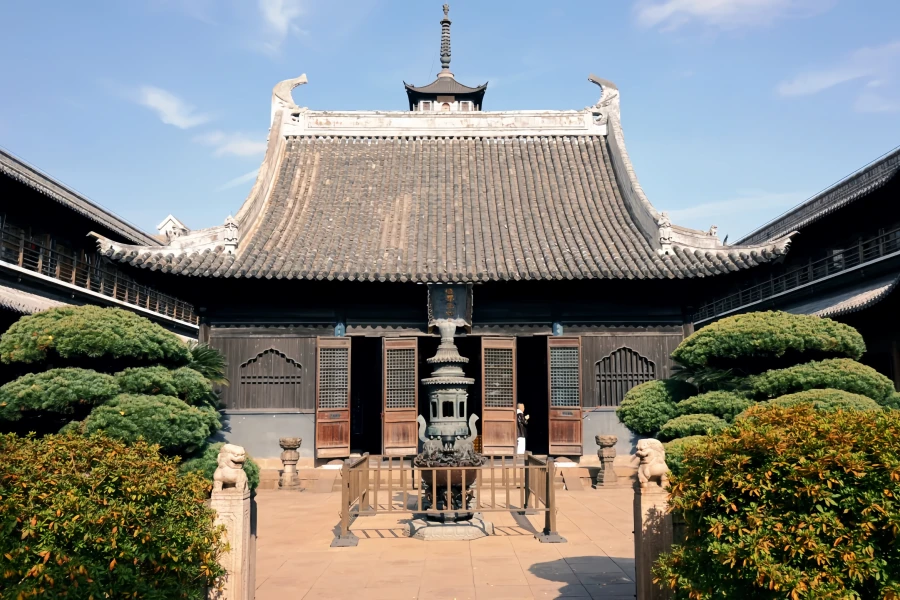
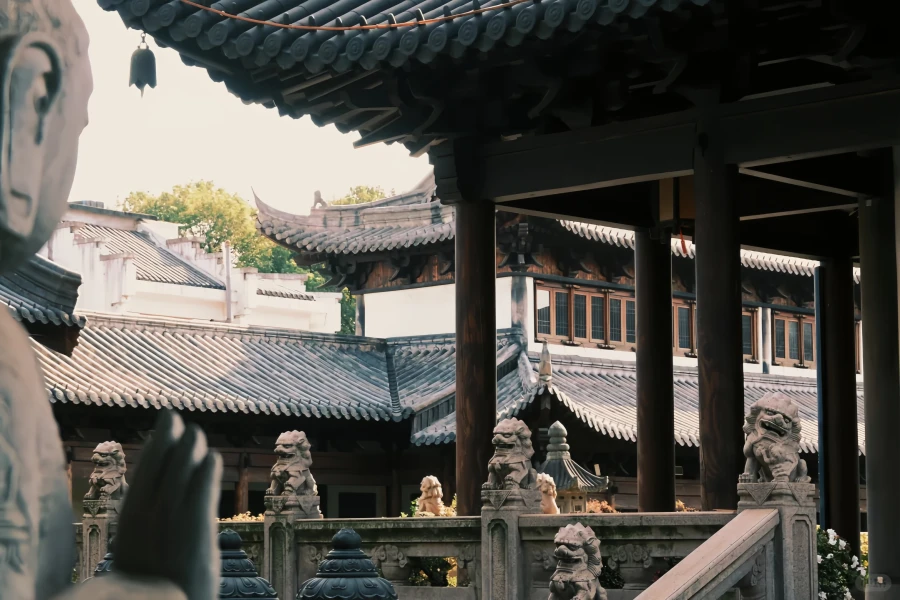
- Stone Tigers from the Yuan Dynasty: A pair of stone tigers in front of the main hall, with simple and powerful carving lines and a lovable appearance, have guarded the ancient temple for hundreds of years.
- Modern reconstruction in the style of the Yuan Dynasty: The Heavenly King Hall, Guanyin Hall and other buildings on the central axis of the temple were all rebuilt in modern times in the style of the Yuan Dynasty. They are in harmony with the main hall and together they form a solemn and majestic Buddhist atmosphere.

Garden Zen – A Tranquil Haven in the City
Despite being located in the bustling city, Zhenru Temple has become a tranquil haven, with ancient trees and courtyards adding to its vibrant atmosphere.

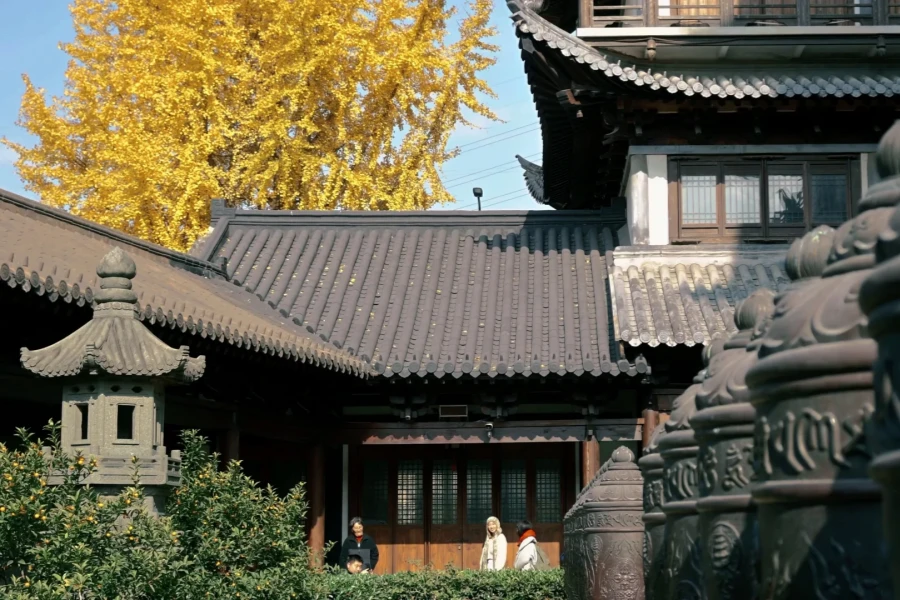
- Ancient Ginkgo Trees: Many ancient ginkgo trees in the temple are over a century old, with the most famous one standing alongside the ancient hall. In late autumn, golden ginkgo leaves blanket the blue brick ground in front of the hall, creating a stunning classical scene with the vermilion doors and windows and the gray tiled roof, a landscape that photography enthusiasts pursue year after year.
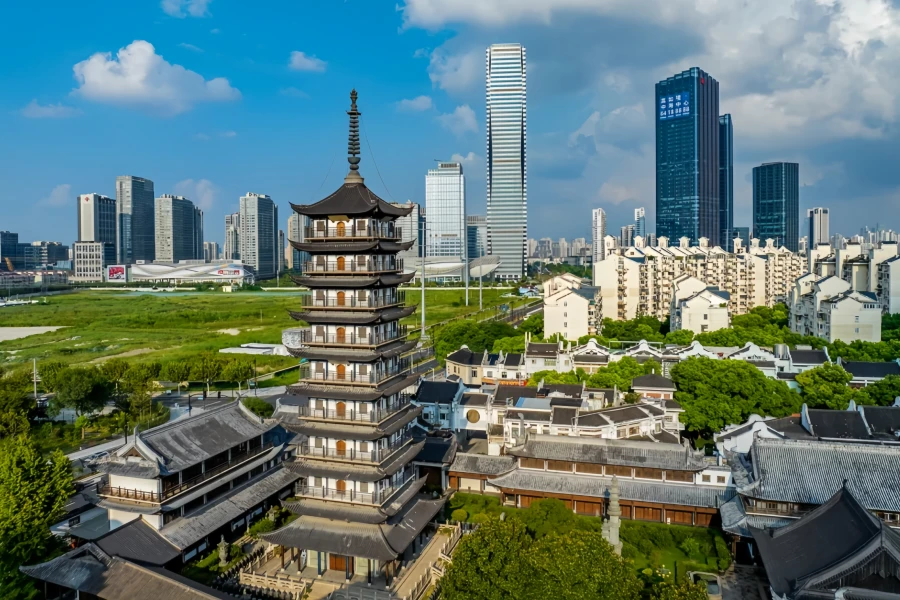
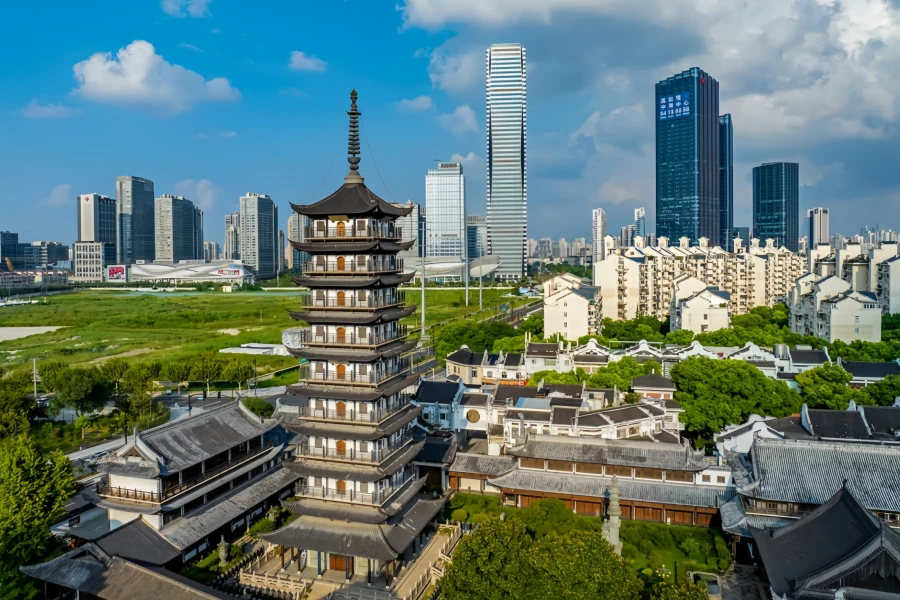
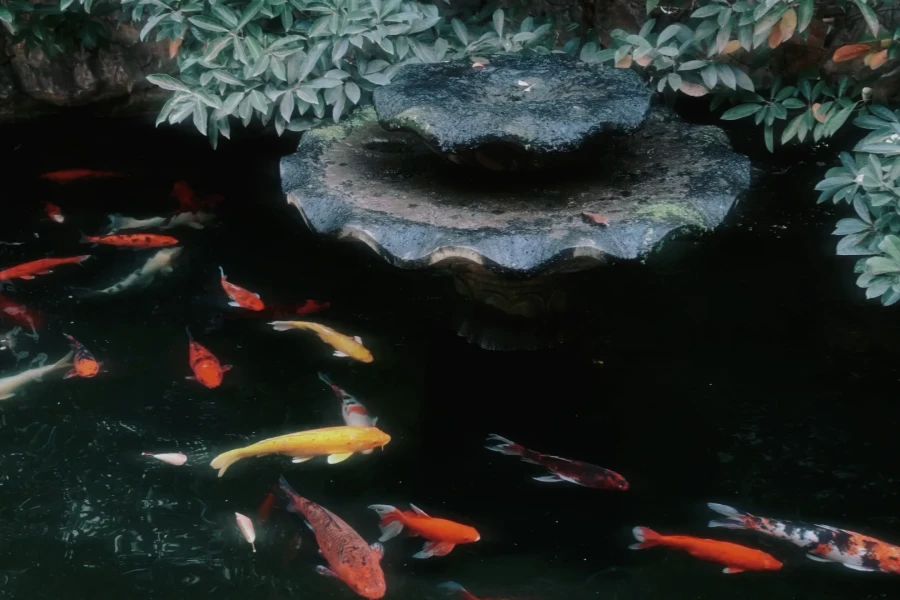
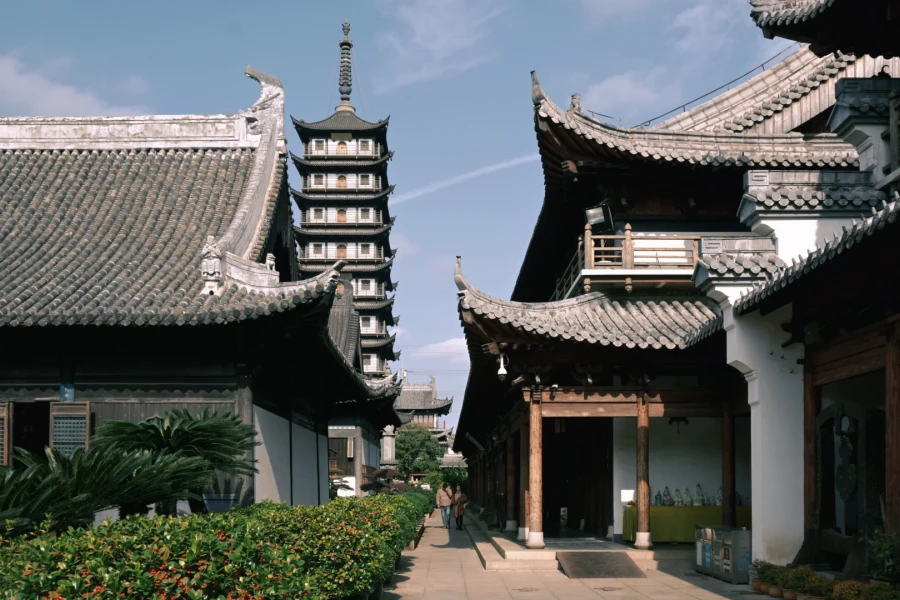
- Zhenru Pagoda and Release Pond: The majestic Zhenru Pagoda is the highest point in the temple, offering panoramic views of the entire complex. The release pond in front of the pagoda is calm and still, with fish swimming leisurely, adding a touch of liveliness and Zen charm.
- Courtyards and Incense Paths: The temple courtyards are exquisitely laid out, with swaying bamboo shadows and scattered potted plants. Strolling along the quiet paths, you can hear the faint sounds of chanting and wind chimes, instantly isolating you from the hustle and bustle of the outside world. It is a rare place for "urban meditation".

Photography Tips:
The best vantage point for photographing the exterior of the main hall is in the square in front of the hall, where you can use a wide-angle lens to capture the entire building, especially in autumn with the ancient ginkgo trees in the foreground.
> Internal structure: Take photos of the exposed beams and brackets inside the hall from below, using side lighting to showcase the texture and volume of the wooden structure (please keep quiet and do not use flash).
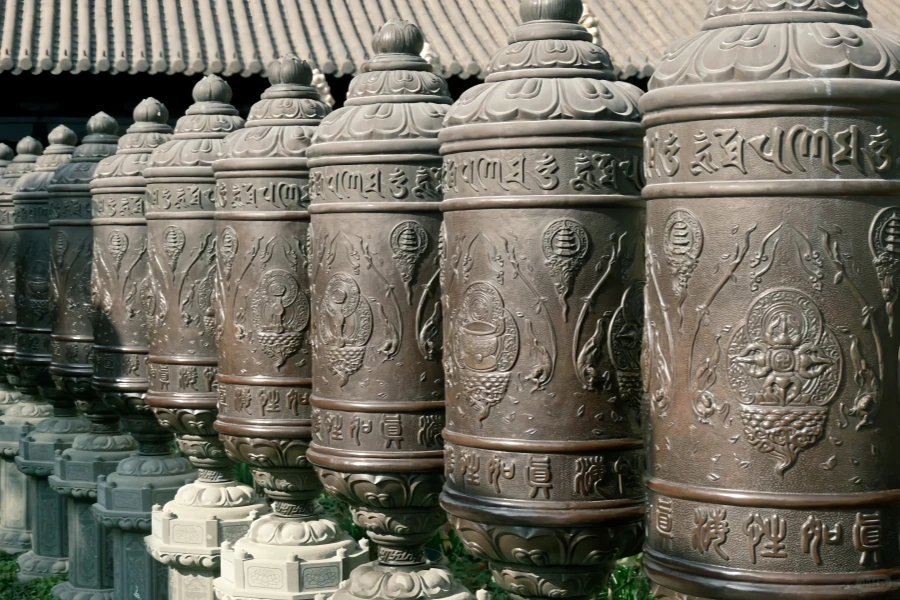
Close-up details: Focusing on the patterns and signs of time on the stone tiger, column bases, and bronze bell;
Moments of light and shadow: The slanting sunlight at dawn or dusk can drape ancient buildings in a golden cloak, creating a profound and evocative atmosphere.

Core Experience: An Immersive Guide to Exploring Ancient Temples

Furong Ancient Town Furong Ancient Town Furong Ancient Town Furong Ancient Town

Five things you must do to unlock the complete ancient temple tour
1. Gazing up at a "naked epic"
- Location: Inside the Great Buddha Hall of the Yuan Dynasty.
- Method: Stand quietly in the hall, look up and carefully identify the thick and powerful moon beams, prisms and brackets, look for the ink inscriptions on the beams, and try to decipher the code left by the craftsmen seven hundred years ago.
2. Guarding a tree's "golden cycle"
- Time: Late November to early December each year.
- Experience: Under the ancient ginkgo tree, watch the sunlight filter through the golden leaves and feel the tranquility and magnificence of time flowing between ancient buildings and life.
3. Listen to the "Tolling of the Bell of the Ming Dynasty"
- Location: Clock Tower.
- Tip: If you are lucky enough to witness the bell being struck, the deep, resonant sound of the bell, which has traveled through hundreds of years, is enough to cleanse your soul and let you feel what "evening drum and morning bell" truly means.
4. Savor a "pure vegetarian meal".
- Experience: The temple has a vegetarian restaurant. Enjoying a light and delicious vegetarian meal is not only a sensory experience, but also a purification of body and mind.
5. Participate in a "traditional Buddhist ceremony"
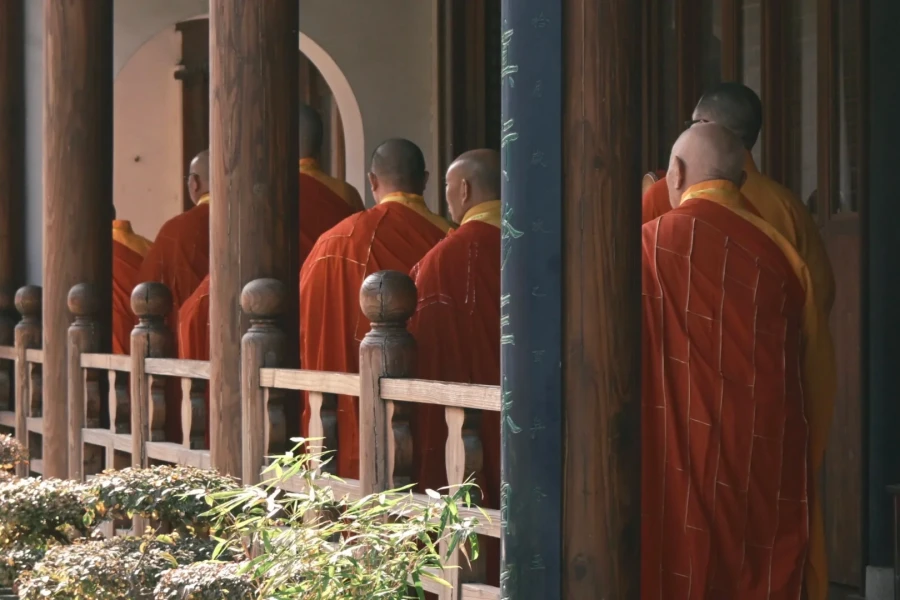
- Pay attention to the schedule of Buddhist ceremonies and rituals announced by the temple (such as the first and fifteenth days of the lunar calendar or Buddha's birthday). Even non-believers can feel the strong religious cultural atmosphere by observing the solemn and dignified ceremonies.

Suggested tour routes
Half-day "In-depth Historical Site Visit" tour (suitable for culture enthusiasts):
Arrive at 9:00 AM → Enter through the mountain gate and visit the Hall of Heavenly Kings in sequence to experience the overall atmosphere of the Yuan Dynasty architectural complex → Visit the core of the Yuan Dynasty Mahavira Hall and carefully observe its interior and exterior for at least 40 minutes → Walk around the hall and admire the ancient ginkgo trees, stone tigers, and other cultural relics → Visit the Zhenru Pagoda and climb to enjoy the panoramic view → If time permits, you can sit quietly in the temple courtyard or experience a vegetarian meal → The tour ends around noon.
IntoTravelChina Reminder: This tour focuses on ancient architecture and historical culture at a relaxed pace. Please be sure to remain quiet and respect the etiquette of religious sites.

A one-day "Putuo Cultural Tourism" tour (highly recommended):
Morning: In-depth tour of Zhenru Temple (refer to the above half-day itinerary).
Lunch: Have lunch near Zhenru Temple or in the vicinity of Changfeng Park/East China Normal University.
Afternoon: Choose one of the following for a combined tour:
1. Head to M50 Creative Park on the banks of the Suzhou River, leap from an ancient temple to the forefront of contemporary art, and feel the diverse pulse of the city.
2. Explore the Workers' Cultural Palace in western Shanghai and the surrounding old streets to experience the local life and industrial history of Putuo District, Shanghai.
IntoTravelChina's advantages: We can book the most suitable accommodations for you, arrange all the connections between activities, and provide detailed hiking route maps and safety guidelines.

Professional Guide: IntoTravelChina offers personalized itineraries, including a dedicated guide, transportation, and activity arrangements, ensuring a worry-free and in-depth travel experience. >> [Inquire Now for a Customized Itinerary]

Complete Travel Guide: Transportation, Accommodation, and Seasons

Furong Ancient Town Furong Ancient Town

How to get there: Conveniently accessible by direct subway.
Zhenru Temple is located in the center of Putuo District, with a well-developed subway network and convenient transportation.
- Most recommended way: Take Metro Line 11 or Line 14 to "Zhenru Station", exit from Exit 1 or 7, and walk for about 5-10 minutes to reach the destination.
- Alternative subway option: Tongchuan Road Station on Line 15 is also accessible, but the walking distance is a bit far.
- Driving tips: The area around the temple is a residential area with narrow roads and very limited parking spaces. It is strongly recommended to take public transportation.

Best time to visit
Zhenru Temple can be visited in all seasons, but it boasts an irreplaceable and stunning view in late autumn.
- Late Autumn Ginkgo Season (late November to early December): The best time to visit all year round. The ancient ginkgo trees are covered in golden leaves, carpeting the ground, creating a stunning contrast with the ancient Yuan Dynasty palace, reaching the peak of the scenic beauty.
- Weekdays (excluding the first and fifteenth days of the lunar month and major holidays): The best time to visit. Fewer tourists, an exceptionally tranquil environment, allowing you to peacefully experience the atmosphere of the ancient temple.
Spring and summer: Lush vegetation and verdant courtyards make it a perfect destination for visitors who prefer tranquility and greenery. The first and fifteenth days of the lunar month, as well as Buddha's Birthday, see a larger number of worshippers, creating a lively but slightly crowded atmosphere.

Accommodation options
No specific accommodation is required for visiting Zhenru Temple. If it is a stop on a multi-day tour of Shanghai, you can choose flexibly.
- Putuo and surrounding areas (convenient option):
1. There are numerous business hotels and chain hotels along Zhenru Station and Zhongshan North Road, which are conveniently located and offer good value for money.
- Shanghai city center (mainstream choice):
1. Choose hotels in Jing'an, Huangpu, Changning, etc., which are easily accessible via Metro Lines 11 and 14 to Zhenru Temple, and also convenient for visiting other key attractions in Shanghai.

IntoTravelChina Accommodation Booking Recommendations:
If you wish to combine Zhenru Temple with other attractions in Putuo District and surrounding areas such as the M50 Art Zone, Suzhou Creek stroll, and Changfeng Park, we can design a unique "Shanghai West District Cultural Walk" route for you and book cost-effective hotels near transportation hubs, making your exploration more efficient and convenient. >> [Click to contact an IntoTravelChina travel consultant]

Extending the Journey: Connecting the Cultural Context of Shanghai's Western District

Furong Ancient Town

Zhenru Temple is an important window into understanding the "historical roots" and "folk beliefs" of Shanghai's diverse culture, and can be connected with other attractions.

- "Suzhou Creek Art Tour" 1-Day Route: Zhenru Temple (Yuan Dynasty Ancient Building) → M50 Creative Park (Contemporary Art Gallery) → Suzhou Creek Trail (Mengqing Garden Section) (Industrial Heritage and Ecology). This is a unique route that travels from ancient times to the modern era, integrating religion, art, and urban renewal.
- "Deep Dive into Western Shanghai" 2-Day Cultural Tour:
Day 1: Zhenru Temple → Shanghai West Workers' Cultural Palace and Gu Zhenghong Memorial Hall → Changfeng Park/Ocean World.
Day 2: Shanghai Textile Museum → Jade Buddha Temple. This route delves deeper into Putuo District, encompassing faith, industrial history, worker culture, and local leisure activities. >> [Explore Western Shanghai in a 2-Day In-Depth Tour](link)
- A 3-day tour themed "Ancient Architecture in Shanghai": This tour connects Zhenru Temple (Yuan Dynasty), Longhua Temple (Song Dynasty legend), Jing'an Temple (modern revival), and Jiading Confucius Temple/Fahua Pagoda (Song Dynasty), creating a thematic exploration of ancient architecture in Shanghai spanning a thousand years. >>Contact us to customize the above related itinerary

Join hands with IntoTravelChina to start your urban retreat journey

Furong Ancient Town

The story of Shinjoji Temple is about the power of time, the inheritance of skills, and the preciousness of guarding a place of eternal silence in the heart of a rapidly growing city. IntoTravelChina focuses on creating a deep, personal, and hassle-free Chinese travel experience. Our travel experts can help you:
- Tailor-made Itinerary: Design the perfect route to include Zhenru Temple and related themed attractions based on your interest in ancient architecture, Buddhist culture, or local history of Shanghai.
- One-stop service: get transportation connections, professional cultural explanations (in-depth interpretation of the architectural mysteries of the Yuan Dynasty), and special experience reservations.
- Exclusive experience: arrange the best viewing time guidance, communicate with the monastery layman (if possible), guide the niche cultural route, etc.

Let your trip to Shinnyu Temple not only be a visit, but also a meditation practice that dialogues with 700 years of history.
> Start planning your journey today
> Welcome to contact our professional travel consultants, we will provide you with an exclusive itinerary plan and quotation within 24 hours. >> [Click to contact IntoTravelChina Travel Consultant]

Recommended Tours

Top 3 tours chosen by most customers to explore in the best way. Check the detailed itinerary, or tailor your own trip now with us.

Zhangjiajie Tour
Beijing Guilin Shanghai 9-Day Tour

9 Days  |  Beijing-Guilin-Shanghai

Zhangjiajie Tour
9-Day Shanghai-Zhangjiajie-Guangzhou Adventure

9 Days  |  Shanghai - Zhangjiajie - Guangzhou

Zhangjiajie Tour
The Imperial Triad: Shanghai, Luoyang & Beijing

8 Days  |  Shanghai - Luoyang - Beijing

What Our Clients Say?

Based on 10,000+ traveler reviews

...
Daniel Dorothea
Canada
Reviewed on April 29,2025
Shopping on Nanjing Road in Shanghai was just amazing! It's truly the "First Commercial Street of China", where tradition and modernity blend perfectly. You can find awesome souvenirs and experience the trendy vibes in cool stores. The neon lights at night are just spectacular, shining bright like Times Square in New York. The food here is incredible too. I had a feast for my taste buds. Shanghai, I'll definitely be back!
Destination(s): Shanghai
Date of Experience: May 08,2024
...
...
Elvis Eva
Canada
Reviewed on June 20,2025
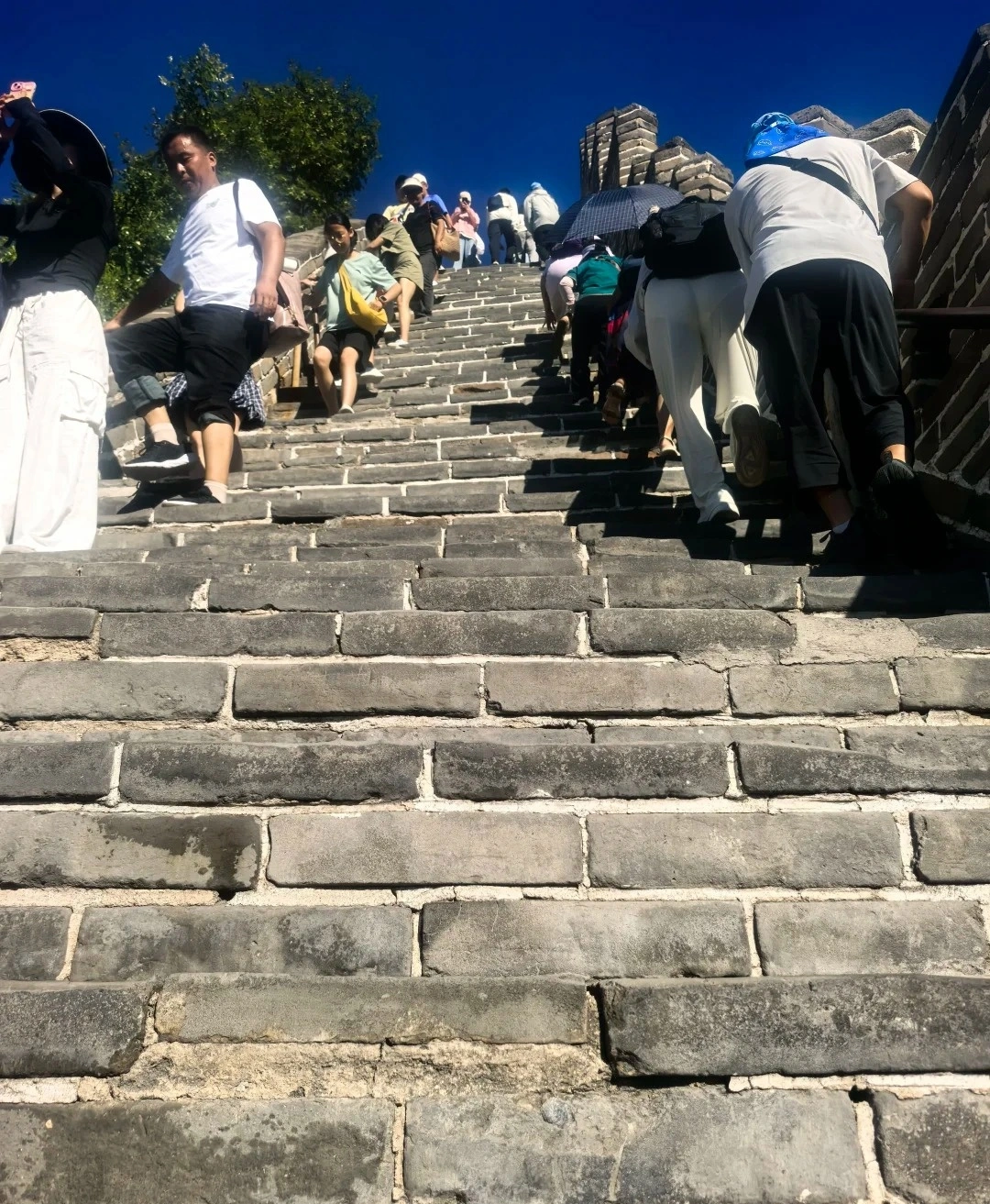
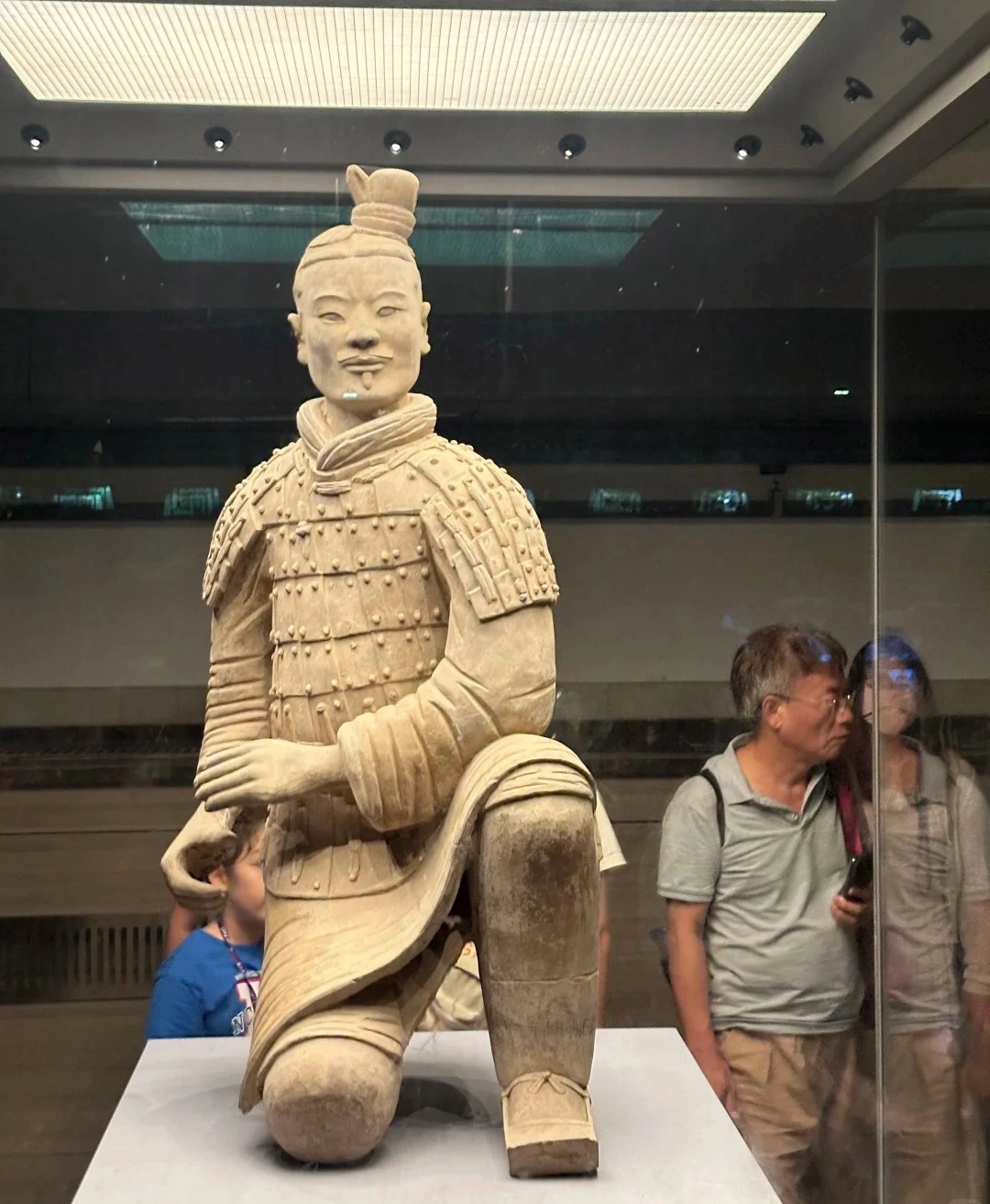
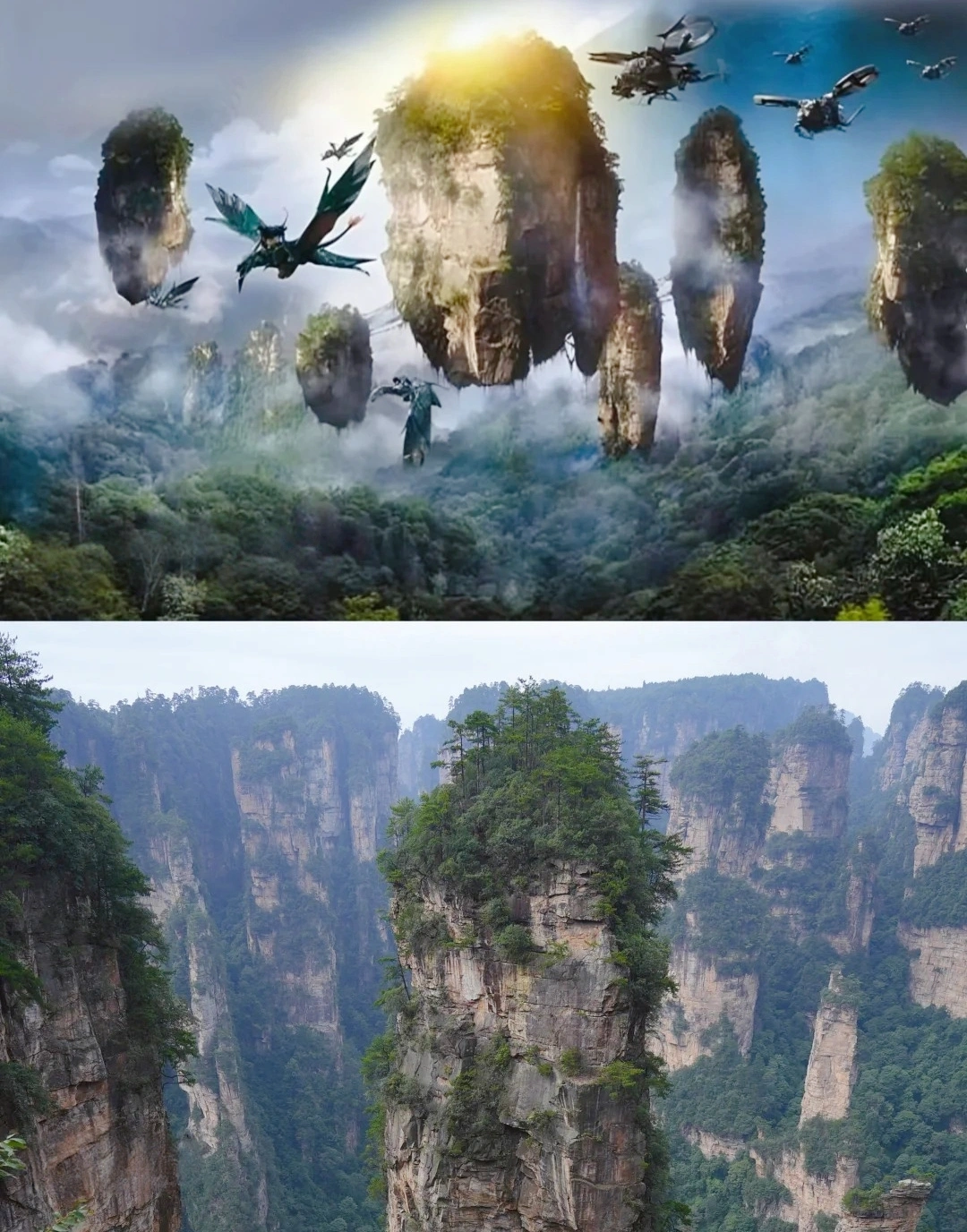
As a solo traveler from Canada, I was nervous about navigating China alone—but this 11-day tour was PERFECT! From hiking the Great Wall at sunrise (Day 3) to gasping at the Terracotta Army (Day 5), every day delivered ‘pinch-me’ moments. The real showstopper? Zhangjiajie’s Avatar Mountains (Day 7)! Our guide made the stone pillars come alive with stories. Massive thanks for handling all logistics—bullet train tickets, entry passes, car! And the 4-star hotels surprised me.
Destination(s): Beijing Xian Zhangjiajie Shanghai
Date of Experience: June 02,2025
... ... ...
...
Simon
America
Reviewed on May 29,2025
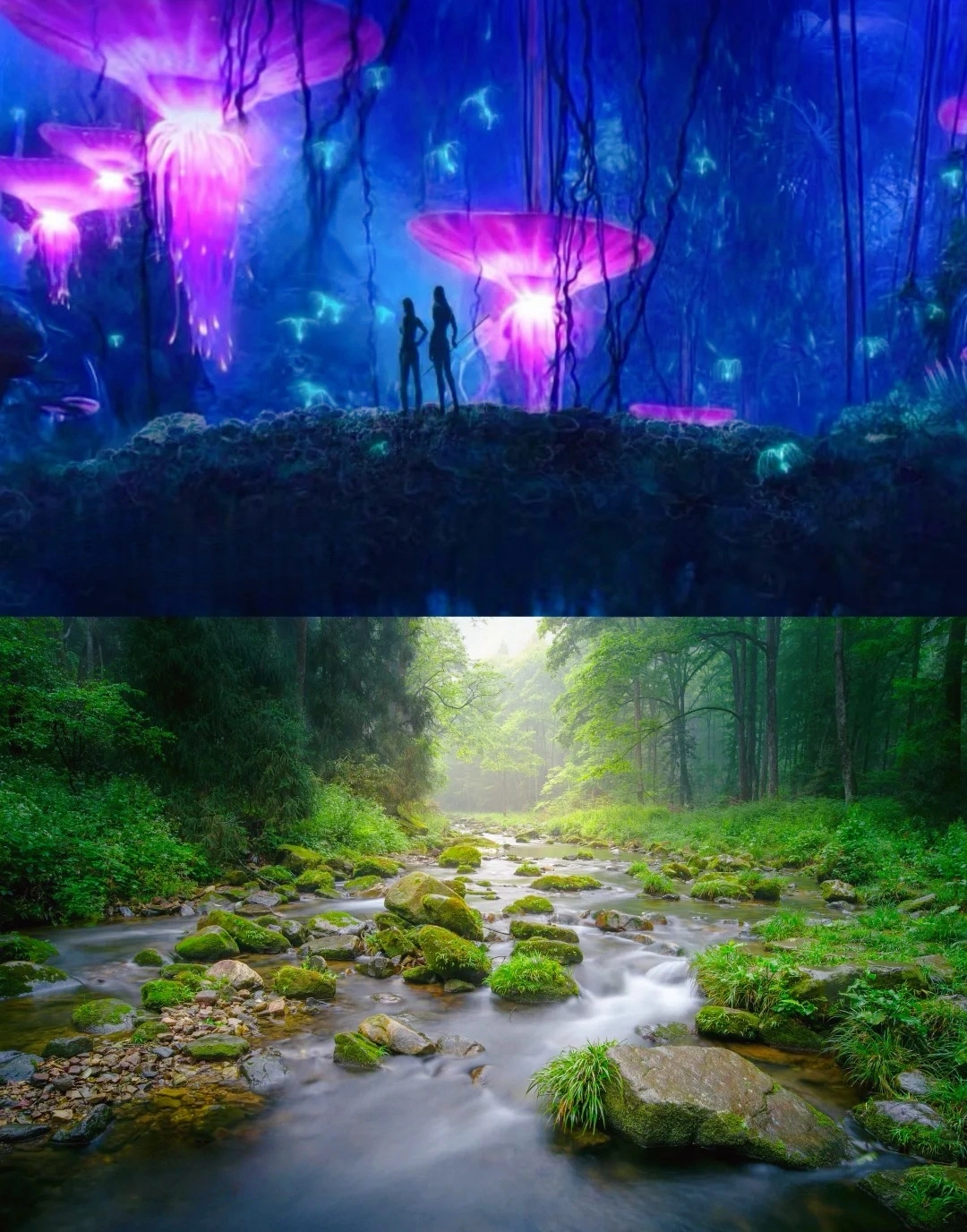
Our 2-day Zhangjiajie tour was beyond spectacular! As someone who’s visited Beijing and Shanghai for work, this trip revealed China’s wild, magical heart. Day 1 in Zhangjiajie National Forest Park felt like stepping onto Pandora—I’m a huge Avatar fan, and Yuanjiajie’s floating peaks left me breathless. The misty pillars and lush valleys like pure movie magic! Then came Fenghuang Ancient Town, we eat dinner beside the thundering waterfall. It seems Unreal! The night views of stilt houses glowing over the river were straight from a fairy tale. For fellow Avatar lovers and adventure seekers: Don’t miss this bucket-list experience! 10/10 would return. A Well-Traveled Film Buff, May 2025
Destination(s): Zhangjiajie
Date of Experience: May 08,2025
... ...

Ask a Question

Question Summary (100 characters)
Details (optional) (2,000 characters)
Name
Country
Email