Nature's Masterpiece—Autumn Leaves Redder Than Spring Blossoms
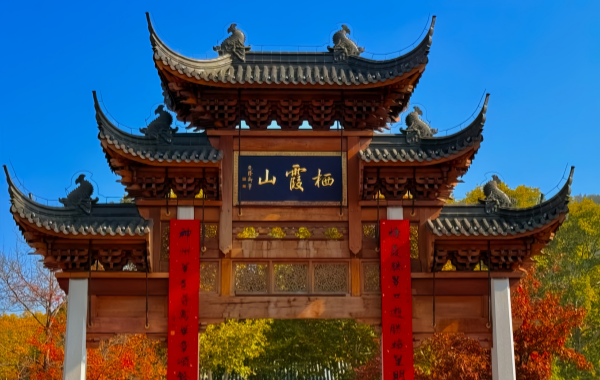
The natural landscape of Qixia Mountain unfolds as an eternal dialogue between color,light and shadow,and geology.
Exquisite Maples:Foremost Among China's Four Great Maple-Viewing Destinations
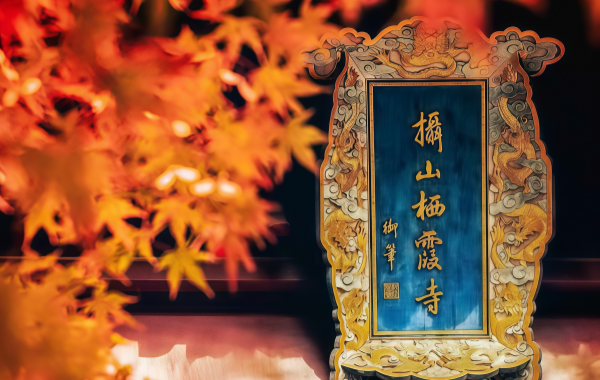
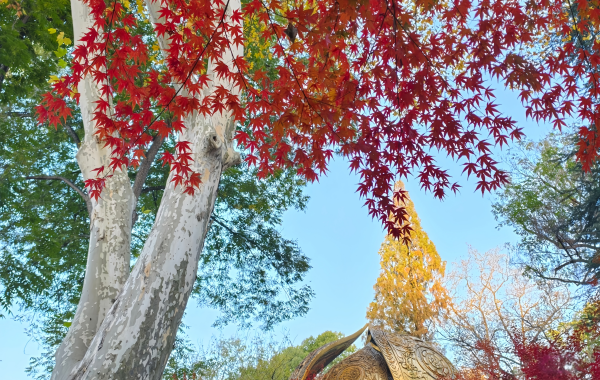
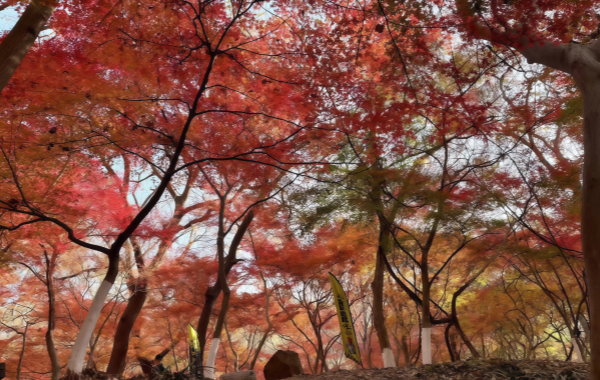
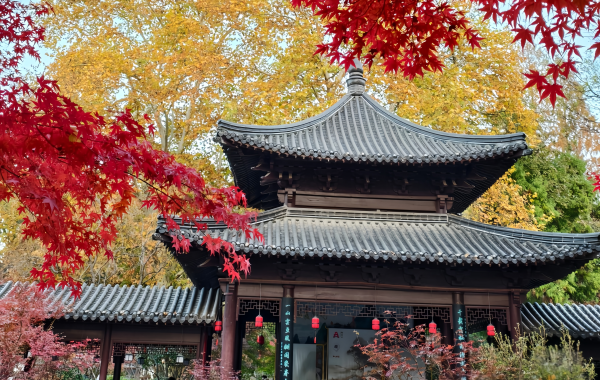
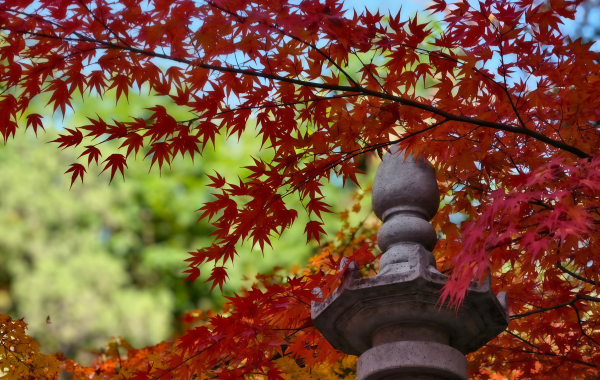
Qixia Mountain ranks as one of China's"Four Great Maple-Viewing Destinations."It is home to over 40 species of foliage trees—including Sweetgum,Palmate Maple,Chinese Tallow,and Chinese Pistache—totaling more than 150,000 individual trees.Every late autumn,the entire mountain is awash in crimson hues,as the layered forests are painted in vibrant shades,creating the breathtaking spectacle known as the"Crimson Maples of Qixia."The primary maple-viewing zones are concentrated within the elevation range of 50 to 150 meters.
Shuanghong Garden:A center for public education on red-leaf plant varieties,featuring a vast array of species and a kaleidoscope of colors.
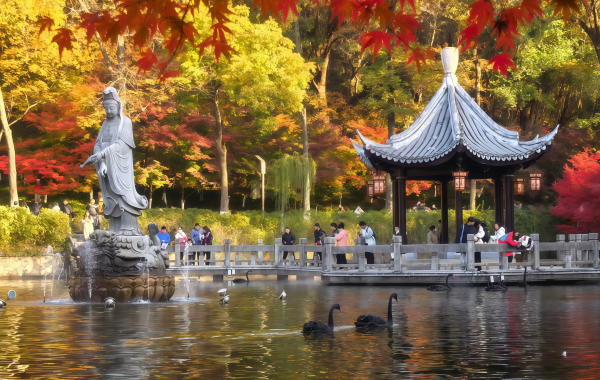
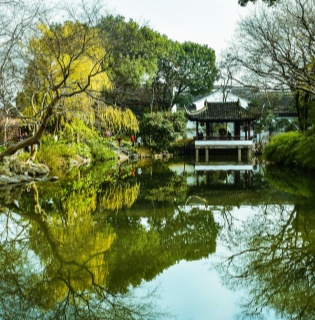
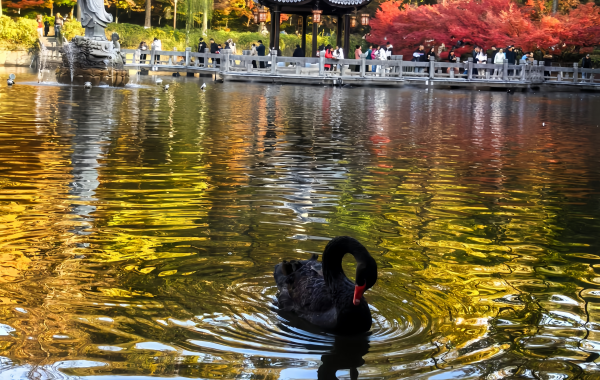
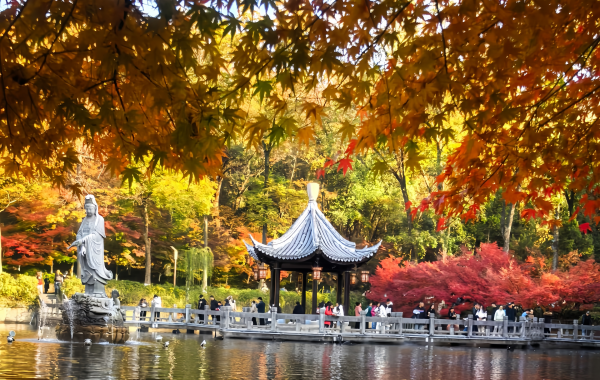
Peach Blossom Lake and the"King of Maples":Standing by the lakeside is an ancient sweetgum tree with a trunk diameter of 80 centimeters.Over three centuries old,it is revered as the"King of Maples"—a focal point where visitors vie to capture a commemorative photograph.
Taixu Pavilion:Here,sweetgum and ginkgo trees intermingle,weaving together a tapestry of red and gold leaves that creates the richest and most layered color palette in the area.
Dufeng Pavilion:This site showcases a concentrated collection of 15 distinct species from the Aceraceae(maple)family,making it an essential destination for any maple leaf enthusiast.
Peak Viewing Season:Mid-November to mid-December.
Special Note:The distinctive crimson hue unique to Qixia Mountain stems from the slightly acidic soil formed by underlying layers of flint-nodule rock.This geological environment stimulates sweetgum leaves to produce anthocyanin levels higher than the norm—a unique geological-vegetation coupling phenomenon found nowhere else in China.
Rugged Rocks:The"Earth's Diary"That Speaks Volumes
Qixia Mountain serves as an open-air geological museum;its massif is primarily composed of limestone,sandstone,and similar strata—the very source of the geological formation known as"Qixia Limestone."The mountain landscape is dotted with precious geological relics:
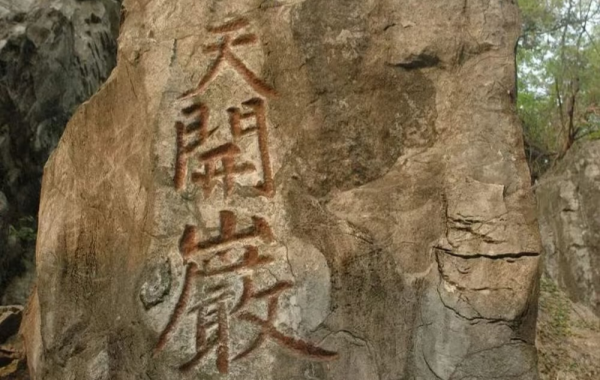
Tiankai Rock:With cliffs appearing as if hewn by a knife or axe,this site stands as a testament to the uncanny craftsmanship of nature,recording billions of years of geological evolution.
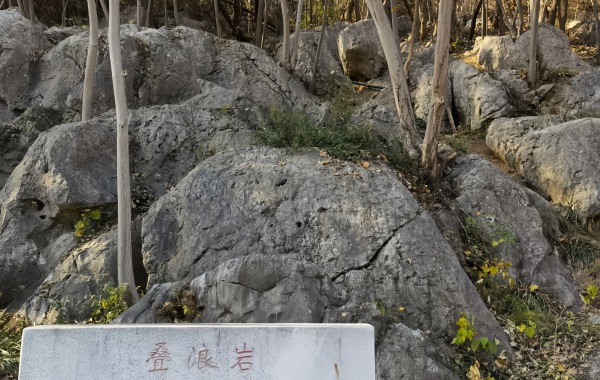
Dielang Rock:The rock strata here ripple and undulate like ocean waves,serving as direct evidence of tectonic plate movement within the Earth's crust.
Qingfeng Sword:A colossal monolith towering toward the heavens;its peculiar form sparks the imagination and invites contemplation.
Human Ingenuity:A Microcosm of the"480 Temples of the Southern Dynasties"
The architecture and stone carvings found here are not merely historical relics;they stand as enduring witnesses to the thousand-year-old civilization of Jinling(Nanjing).
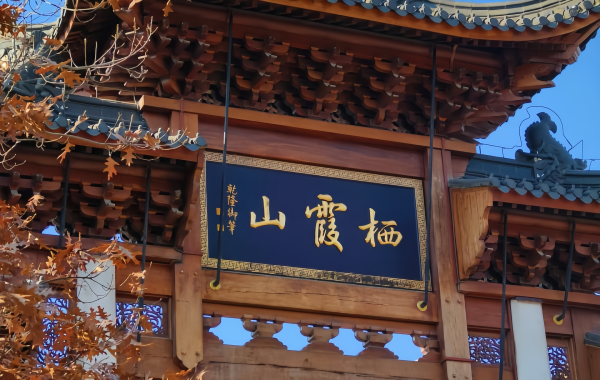
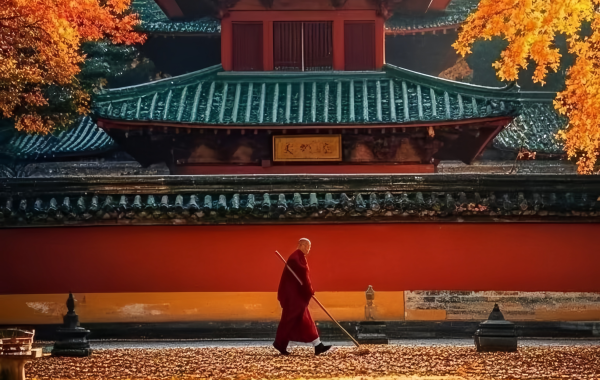
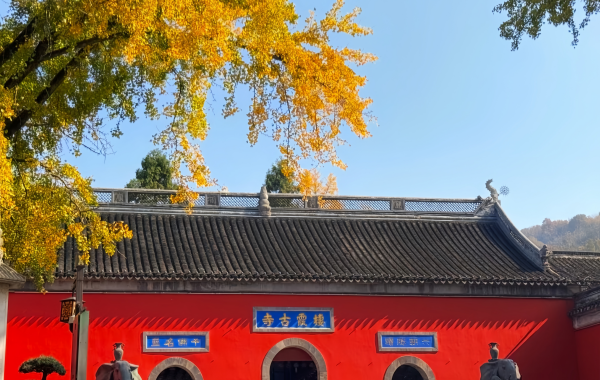
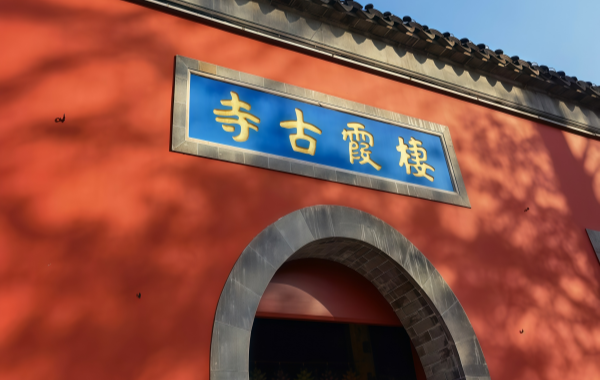
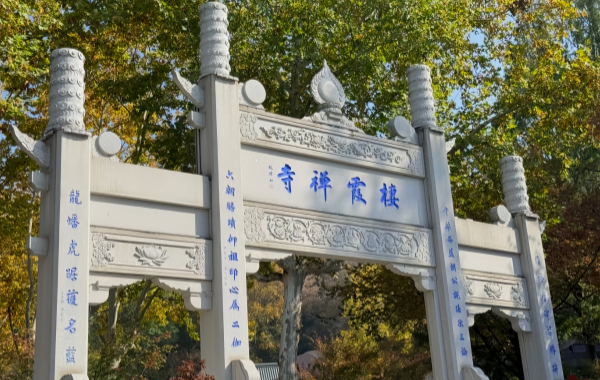
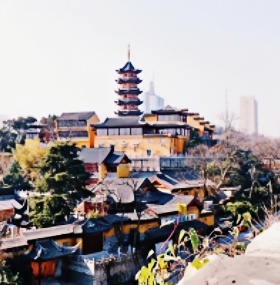
Qixia Temple:Ranked as one of China's four most renowned Buddhist monasteries,it is the birthplace of the"Sanlun School"(Three Treatises School)of Buddhism.Although the temple was originally established during the Southern Dynasties period,the structures standing today were reconstructed during the late Qing Dynasty and the Republic of China era;nevertheless,they retain a rigorous layout and an air of magnificent grandeur.Within the temple's Vairocana Hall,a resplendent golden statue of Vairocana Buddha—standing five meters tall—is enshrined,flanked by exquisitely crafted sculptures depicting the Twenty Devas.
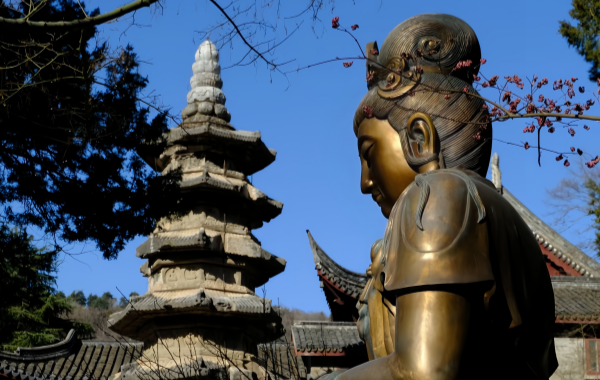
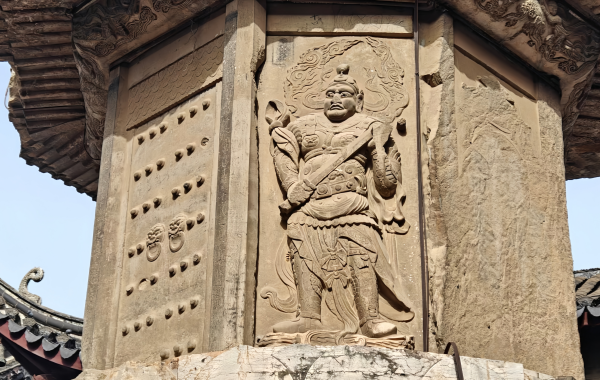
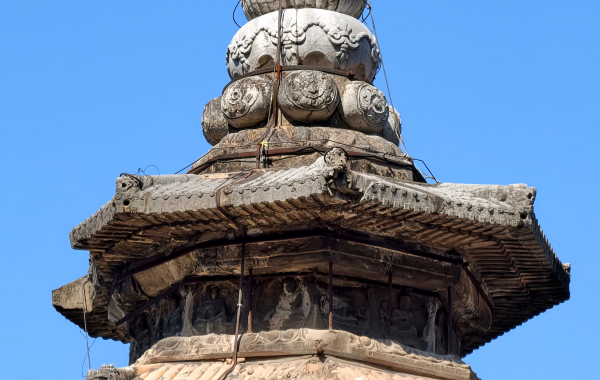
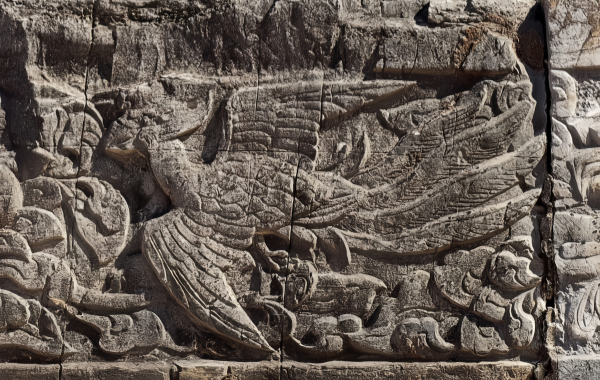
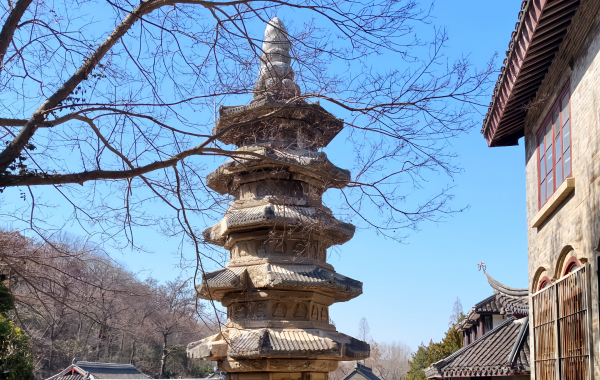
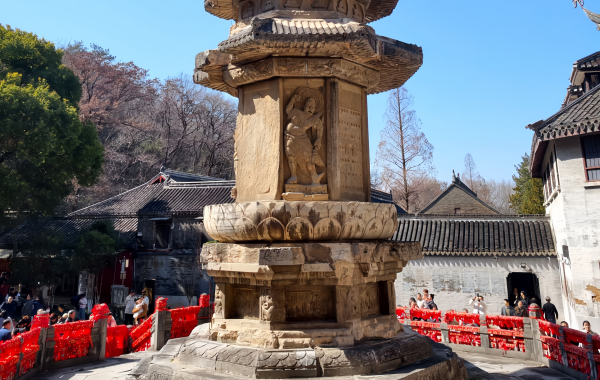
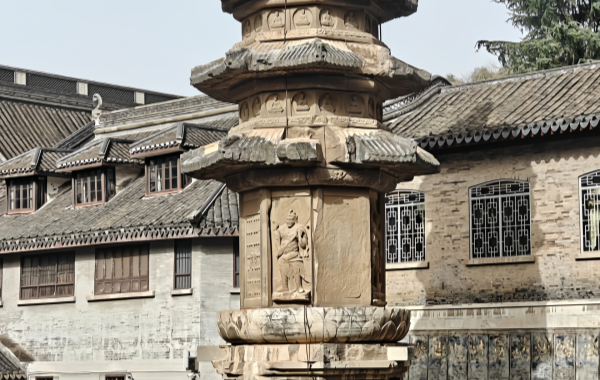
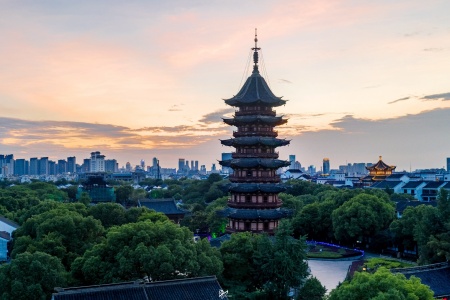
Sarira Pagoda:Located behind Qixia Temple,this octagonal,five-story granite pagoda was reconstructed during the Southern Tang dynasty and stands 18.04 meters tall.The first tier of the pagoda body features exquisite carvings depicting the life story of Shakyamuni Buddha,serving as an outstanding representative of ancient Chinese stone pagoda art.
Thousand Buddha Cliff(Qianfo Yan):The most significant surviving Buddhist grotto complex in southern China,it was carved in the second year of the Yongming reign of the Southern Qi dynasty(484 AD)—predating the Longmen Grottoes by 17 years.The site currently preserves 294 niches of varying sizes and 515 Buddhist statues,earning it the moniker"The Dunhuang of the East."The statues depict figures both seated and standing;ranging in size from"several zhang tall to a mere inch,"their craftsmanship is both rustic and exquisite.
Stele of Ming Zhengjun:Located to the right of the Qixia Temple entrance,this Tang dynasty stone stele features an inscription authored by Emperor Gaozong of Tang(Li Zhi)and calligraphed by the renowned master Gao Zhengchen.The stone material was quarried from Qixia Mountain itself and consists entirely of fossilized crinoid stems—a rare geological specimen in China.It is truly a case where"both the text and the stone are national treasures."
Site of the First Emperor's River View:Situated halfway up the northern slope of the Central Peak,this site features a structure built in a traditional architectural style.Legend has it that Qin Shi Huang(the First Emperor)once ascended this spot to gaze upon the river;leaning against the railing to survey the distance,he watched the mighty river flow eastward and witnessed a hundred boats racing across the water,taking in the entire panorama of the Yangtze River's banks.
Photography Tips:
The best vantage point for a panoramic shot is at the summit of Fengxiang Peak,offering a sweeping view of both the Yangtze River and the ancient Qixia Temple.
The"King of Maples"tree by the banks of Peach Blossom Lake,set against the backdrop of pavilions and waterside terraces,provides an excellent location for capturing reflections of the red foliage.
The seated statue of Amitayus Buddha(the Buddha of Infinite Life)located in front of the Hall of the Three Sages at Thousand Buddha Cliff stands 12 meters tall;shooting from a low angle(looking up)captures its majestic and solemn presence.
During the soft light of dawn or dusk,as sunlight filters through the maple forest,the Tyndall effect creates ethereal light beams—an ideal moment to capture scenes resembling"Buddha's Light."