Qingyang Palace: A Taoist Temple in the bustling city, a journey of seeking truth through a thousand year old gate

Qingyang Palace: A Taoist Temple in the bustling city, a journey of seeking truth through a thousand year old gate

Overview: The Taoist Ancestral Court in the Heart of Rongcheng
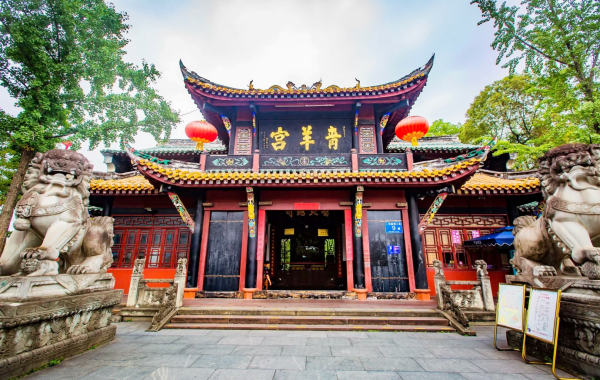
Qingyang Palace, located within the First Ring Road of Qingyang District, Chengdu City, Sichuan Province, is a millennium Taoist temple covering an area of approximately 40000 square meters.

Quick overview of core highlights
Identity tags: The First Taoist Temple in Western Sichuan/Key Taoist Temples in China/The legendary origin of Laozi's descent and transmission of scriptures
Core experience: Searching for the "divine sheep" for blessings, tasting Taoist tea, observing fasting rituals, appreciating Qing Dynasty gardens
Suggested tour: 2-3 hours, preferably in the morning or afternoon, to experience the tranquility of the Taoist temple
Gongguan Address: No. 9, West Section 2, First Ring Road, Qingyang District, Chengdu City, Sichuan Province

  • Qingyang Palace: A Taoist Temple in the bustling city, a journey of seeking truth through a thousand year old gate-1
  • Qingyang Palace: A Taoist Temple in the bustling city, a journey of seeking truth through a thousand year old gate-2
  • Qingyang Palace: A Taoist Temple in the bustling city, a journey of seeking truth through a thousand year old gate-3
  • Qingyang Palace: A Taoist Temple in the bustling city, a journey of seeking truth through a thousand year old gate-4

Origin: From Laozi's Surrender to the Imperial Edict of Tang Dynasty

Furong Ancient Town Furong Ancient Town

The miraculous origin of the name Qingyang
The historical origins of Qingyang Palace can be traced back to Laozi, the supreme ancestor of Taoism. According to legend, during the Zhou Dynasty, Laozi traveled westward to Hangu Pass and wrote the 5000 word "Tao Te Ching" for Guan Lingyin Xi. He once said, "After traveling for a thousand days, I searched for me in the Qingyang area of Chengdu. Afterwards, Yin Xi did indeed meet Laozi, who had transformed into a child, at a market in Chengdu where he bought and sold green sheep ("Qingyang Si"). Laozi used the teachings of Yin Xi and others to govern people here, and this place was then revered as a Taoist holy site and named "Qingyang". This legendary tale full of supernatural colors has established an unparalleled position as the ancestral home of Taoism for Qingyang Palace.

The Tang Dynasty Legend of Prosperity and Brilliance
The true prosperity of palace architecture is closely related to the refuge of a dynasty. At the end of the Tang Dynasty, the Huangchao Uprising army invaded Chang'an, and Emperor Xizong of Tang fled hastily to Chengdu in Shu. It is said that Emperor Xizong received inspiration from Laozi in his dream and ordered a large-scale construction project at the former site of Qingyang Temple, rebuilding the palace and upgrading it to "Qingyang Palace", in order to pray for the revival of the country's fortunes. The grand scale of this reconstruction has laid the foundation for Qingyang Palace to become the "first jungle in western Sichuan". Since then, Qingyang Palace has undergone renovations throughout the Song, Yuan, Ming, and Qing dynasties, and its incense has continued to burn, becoming the center of Taoist activities in the southwestern region.

In depth understanding: Explore more famous Taoist mountains and temples in China>>Manjushri Monastery

Must see Wonders: The Mysterious Realm of Architecture, Spirit Beasts, and Gardens

Furong Ancient Town Furong Ancient Town

Humanistic Craftsmanship - The solemn sequence from Sanqing Hall to Bagua Pavilion
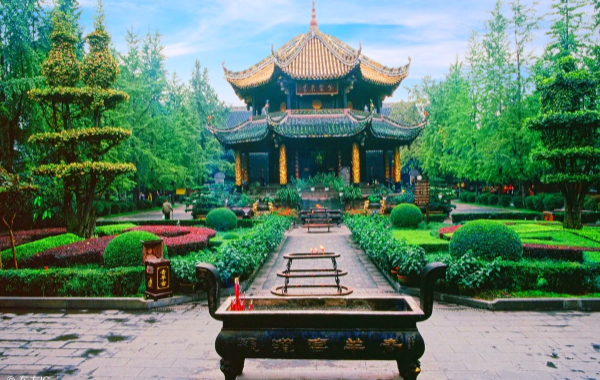
The architectural complex of Qingyang Palace follows the traditional pattern of Taoist temples, with the main halls arranged on the central axis, layer by layer, creating a magnificent atmosphere.
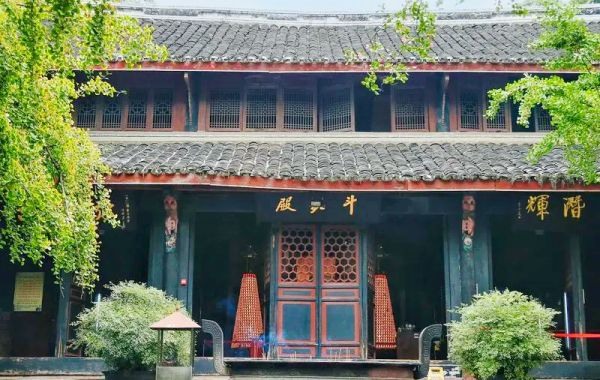
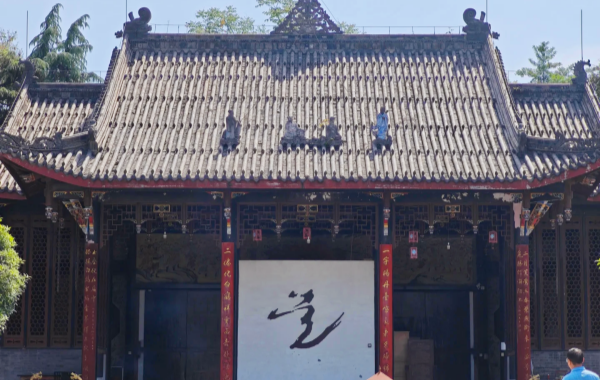
Mountain Gate and Lingzu Hall: Above the towering mountain gate hangs a golden plaque reading "Qingyang Palace". The first hall after entering is the Lingzu Hall, where the Taoist guardian deity Wang Lingguan is enshrined. His majestic image with a red face, three eyes, and holding a golden whip guards the purity of the dojo.
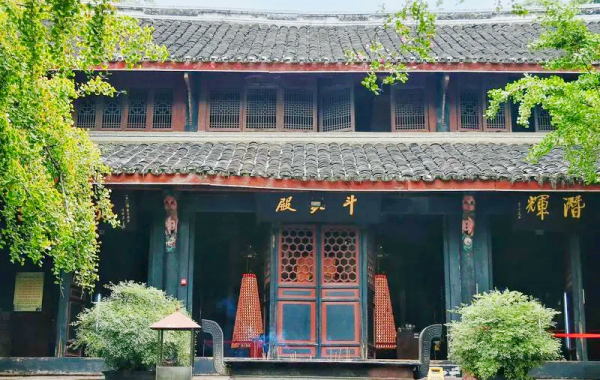
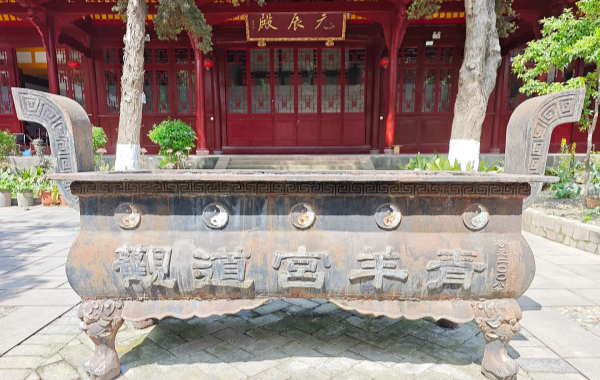
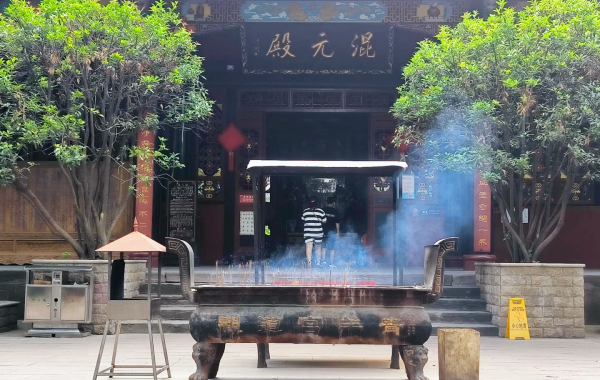
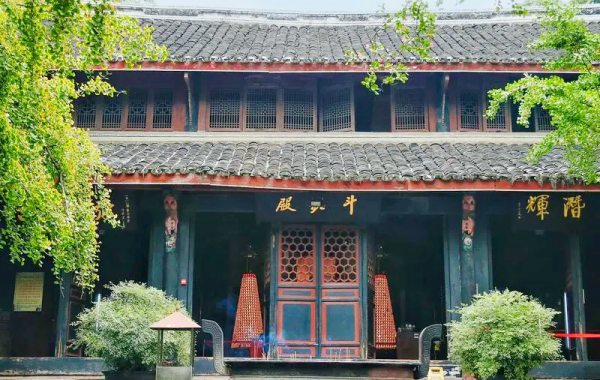
The Hunyuan Hall and the Sanqing Hall: The second hall, the Hunyuan Hall, enshrines the supreme Taoist deity, the "Hunyuan Ancestor" (also known as the Taishang Laojun). The Sanqing Hall behind it is the core building of the palace, where the three highest deities of Taoism are solemnly enshrined: Yuqing Yuanshi Tianzun, Shangqing Lingbao Tianzun, and Taiqing Daode Tianzun. The grand scale and majestic atmosphere of the main hall building.
Doumu Hall and Tang King Hall: The Doumu Hall in the backyard enshrines the mother of the North Star, Doumu Yuanjun. The adjacent Tang King's Palace bears in mind the history of Emperor Xizong's decree to build the Qingyang Palace, and the murals inside vividly tell this legendary story.
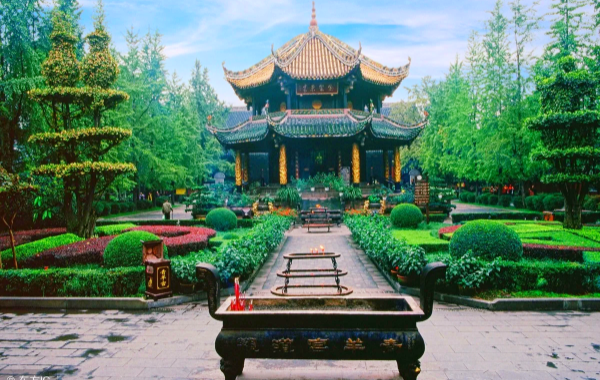
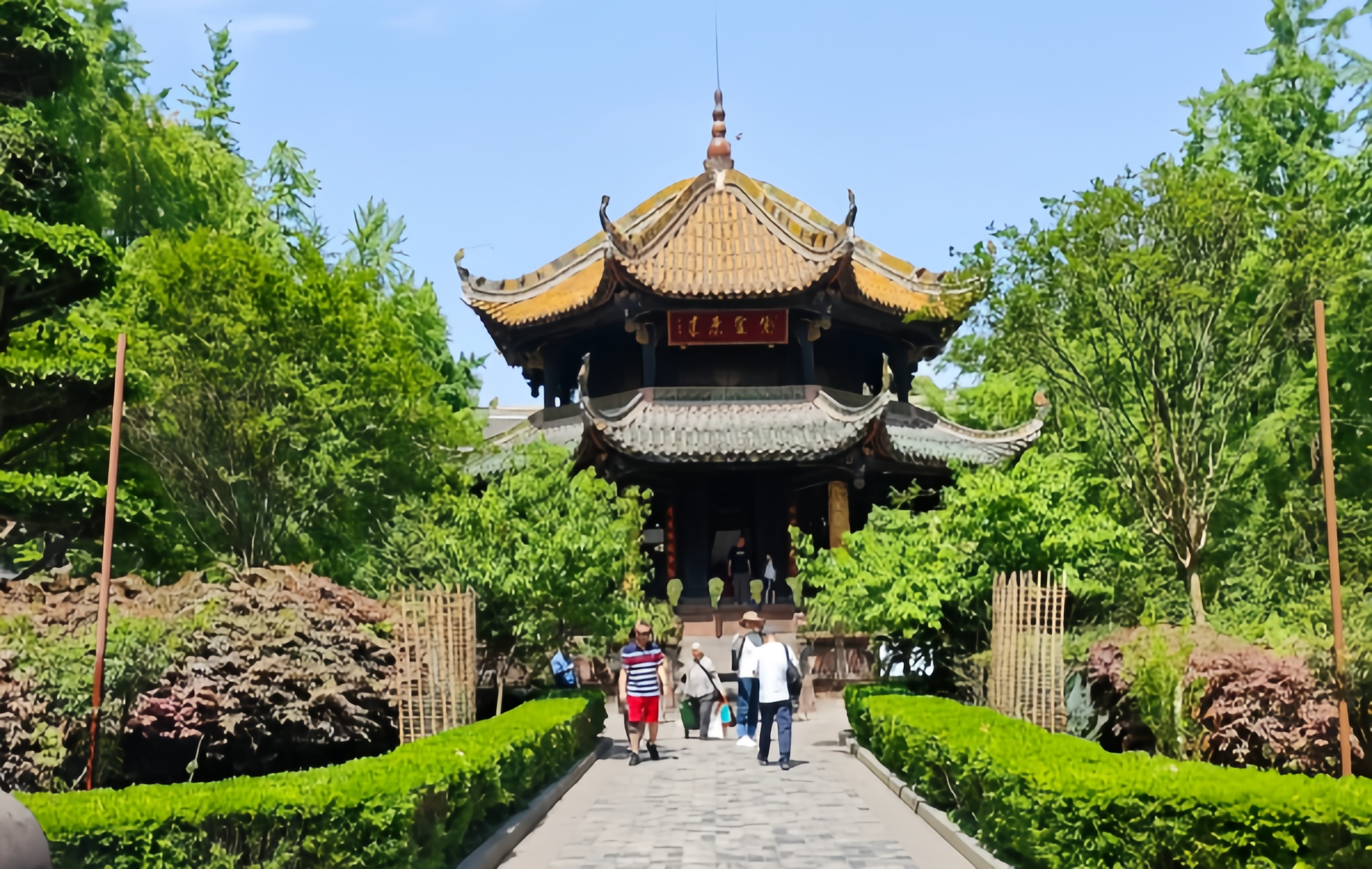
Bagua Pavilion: The iconic building of Qingyang Palace, which can be regarded as a treasure of architectural art. This pavilion is built entirely according to the Taoist cosmology, with an octagonal shape symbolizing the Eight Trigrams; The pavilion is supported by eight carved dragon stone pillars, with yellow and green glazed tiles covering the top. The carvings inside and outside are intricate and exquisite, integrating stone carvings, wood carvings, sculptures, and painted decorations. It does not require a single nail or rivet, and is securely fastened with mortise and tenon joints, making it incredibly stable.

 Spiritual Objects and Secret Realms - Treasures of the Town Palace and Urban Gardens
The wonder of Qingyang Palace lies not only in the architecture itself, but also in its unique object that carries spirituality and nature.
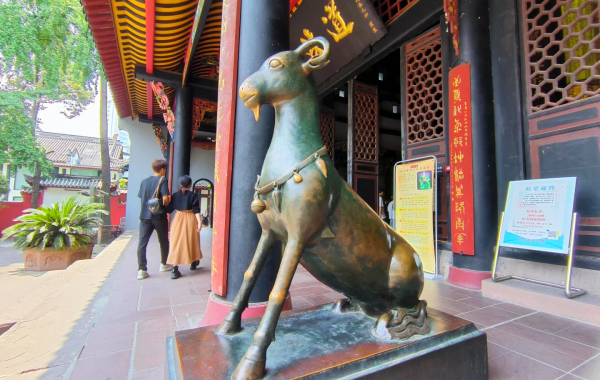
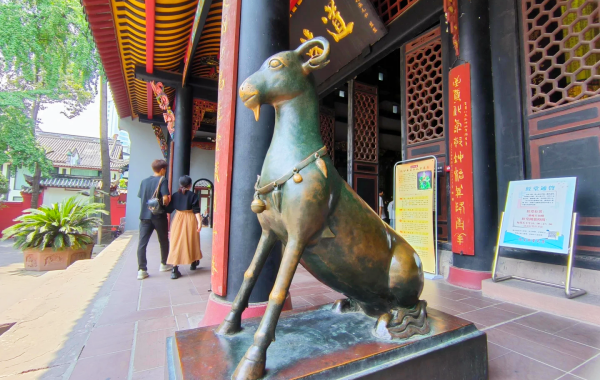
Bronze God Sheep (Unicorn): The most famous "star" of Qingyang Palace, located in front of Sanqing Hall. This pair of bronze sheep has a unique shape, with one of them being a collection of the characteristics of the twelve zodiac animals (rat ears, ox nose, tiger claws, rabbit back, dragon horn, snake tail, horse beak, sheep whiskers, monkey neck, chicken eyes, dog belly, pig buttocks), passed down as a relic of the Southern Song Dynasty and revered as a divine beast. The folk firmly believe that touching the bronze sheep can dispel diseases and disasters, especially touching the parts corresponding to their zodiac sign. Therefore, their whole body is touched brightly, becoming a unique scenery.
Lu Zu Stone Carving: It is a White Marble stone carving of Lu Dongbin, a famous Taoist and one of the "Eight Immortals" in the Tang Dynasty, consecrated to the side of Doumu Hall. It has smooth lines and is immortal. It is a precious Taoist cultural relic.
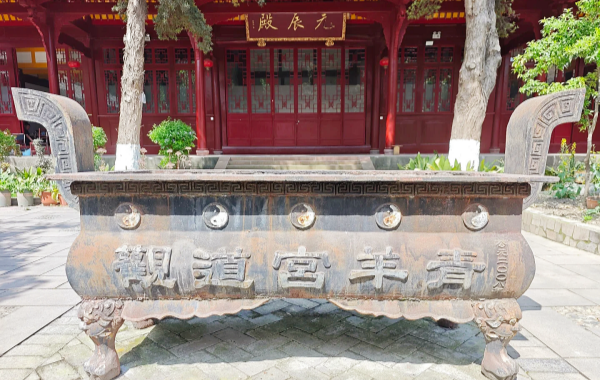
Erxian Temple Garden: The Erxian Temple adjacent to Qingyang Palace is a jungle of the Longmen Sect of Quanzhen Taoism built in the Qing Dynasty. Its interior is a typical layout of western Sichuan gardens, with towering ancient trees, exquisite bonsai, and winding paths leading to secluded places. The "Tea Ceremony" cultural experience area in the park allows people to enjoy tea in an elegant environment and experience the "Taoist tea flavor" beyond the "Zen tea flavor".

Photography tips:
Eye of Architectural Art: On the side of the Bagua Pavilion, a wide-angle lens is used to capture the intricate structure of the octagonal eaves and carved dragon stone pillars.
Moments of Humanistic Interaction: Capture the vivid scene of tourists devoutly caressing bronze sheep in front of the Sanqing Hall.
Quiet Corner of the Garden: Searching for the scene of light and shadow passing through the cracks of ancient trees and sprinkling on the bluestone board on the quiet path of Erxian Temple.

Core Experience: Half day Deep Seeking Life Guide

Furong Ancient Town

Three essential tasks to unlock a complete Taoist experience
Touch the bronze divine sheep and seek good luck
When you come to the Sanqing Hall, you must find the famous pair of bronze sheep. According to tradition, first bow devoutly, then touch the sheep's head to tail and silently recite the words of blessing in your heart. Find the part corresponding to your zodiac sign and stroke it a few times, praying for health and safety. This is not only an interesting interaction, but also a connection with ancient customs.
Sitting in Erxian'an Teahouse, savoring a taste of tea to clear your heart
During the tour, be sure to step into the tea house inside the Erxian Temple. Order a cup of clear tea, sit under an ancient tree, and watch the tea leaves float in the bowl. The rustling sound of the wind blowing on the leaves and the faint rhythm of the scriptures can completely relax the body and mind, experiencing Chengdu's unique leisurely "slow life" immersed in Taoist culture.
Observing a religious ceremony, feeling a sense of solemnity and solemnity
If the timing is right (usually held on the first and fifteenth day of the lunar calendar and important Taoist festivals), one can quietly observe the religious ceremonies and rituals (i.e. Taoist teachings) held by the Taoist priests in the temple. Listening to ancient Taoist music and watching solemn rituals can make people intuitively feel the depth and inheritance of Taoist culture, and gain inner peace (please keep quiet, do not disturb or take photos).

 Tourist Route Suggestions
The core area of Qingyang Palace itself is concentrated, and it takes about half a day to visit together with the adjacent Erxian Temple. Therefore, we recommend connecting it with the cultural district in the center of Chengdu and planning a fulfilling one-day "urban cultural roots seeking" trip.
One day in-depth tour of "Daoyun Rongcheng" (highly recommended):
Morning (9:00-12:00): Arrive at Qingyang Palace. Starting from the mountain gate, take a peaceful tour along the central axis (Lingzu Hall → Hunyuan Hall → Sanqing Hall [Key Touching Bronze Sheep] → Doumu Hall → Tang Wang Hall), and carefully appreciate the architectural miracle of Bagua Pavilion.
Noon (12:00-13:30): Taste authentic Sichuan cuisine (such as Kung Pao chicken, Fuqi Feipian (Sliced Beef and Ox Tongue in Chilli Sauce)) around Qingyang Palace or in Kuan and Zhai Alley.
Afternoon (13:30-15:00): Step into the Erxian Temple, take a stroll in the classical garden, and experience the peaceful Taoist tea culture in the tea house inside the temple.
Afternoon (15:30-18:00): Walk or take a short public transportation to the Du Fu Thatched Cottage Museum, which is only one street away (about 1 kilometer). Experience the cultural transformation from Taoist mysticism to Confucian poetry history in the bamboo forest thatched hut of the former residence of the Poet Saint.
Evening: Enjoy a delicious meal near Qintai Road or Qingyang Palace to end a day full of cultural heritage.
The advantages of IntoTravelChina: We can book the most suitable accommodation for you, arrange the connection of all activities, and provide detailed hiking routes and safety guidelines.

Professional guide: IntoTravelChina can provide you with a personalized itinerary, including exclusive tour guides, transportation, and activity arrangements, allowing you to have a worry free and in-depth experience. >>Consult now for customization

Travel Guide: Transportation, Time, and Surrounding Areas

Furong Ancient Town

How to reach: seamless connection to the city center
Qingyang Palace is located within the first ring road of Chengdu, with extremely convenient transportation, and is the core area of the Chengdu subway network.
Subway: This is the most recommended way. Take Chengdu Metro Line 2 or Line 5 to Qingyanggong Station, exit from Exit B and walk for about 2 minutes to reach Shanmen directly.
Bus: Multiple buses (such as 11, 19, 27, 34, etc.) can reach the "Qingyanggong" station and get off to get there.
Self driving/taxi: Simply navigate to "Qingyang Palace". However, it should be noted that during peak hours in the city center, there may be congestion, and parking spaces in scenic areas are limited. It is strongly recommended to choose subway transportation.

 Best Travel Time
Qingyang Palace is suitable for all seasons, but the climate and cultural activities are most abundant in spring and autumn.
Spring and Autumn Golden Season (March May, September November): The climate is mild and pleasant. In spring, flowers bloom in Erxian Temple, full of vitality; The ancient ginkgo leaves turn golden in autumn, creating a picturesque scenery.
Summer (June August): The weather in Chengdu is relatively hot, but the ancient trees in the palace provide shade, making it a good place to escape the heat. Suggest going in the morning or evening.
Winter (December February): There are relatively fewer tourists, making it more peaceful. If it falls on an important Taoist festival (such as the Spring Festival or the birthday of the founder), one can experience a stronger religious atmosphere.

Practical Information and Surrounding Accommodation
Opening hours: Usually 8:00-18:00 in summer and 8:00-17:30 in winter, with slight adjustments during holidays.
Ticket cost: The ticket price is affordable, usually 10 RMB per person, making it a highly cost-effective cultural experience.
Attention: Please maintain silence and dress neatly; Photography is usually prohibited in the hall, please follow the regulations; You can voluntarily donate incense money to show support.
Surrounding accommodation options:
Featured cultural hotels: Choose boutique cultural hotels near Kuanzhai Alley and Qintai Road for convenient travel and the opportunity to experience Chengdu's folk customs at night.
Comfortable and convenient hotels: There are many well-known chain hotels within 1-2 kilometers around Qingyang Palace (such as near the Traditional Chinese Medicine Provincial Hospital subway station) with high cost-effectiveness.
Youth Hostel: There are many Chengdu style youth hostels near Kuanzhai Alley and Jinli, suitable for backpackers.

IntoTravelChina accommodation booking recommendation: There are many hotel options in the center of Chengdu. By booking with us, you can not only get real-time room availability and the best prices, but also package accommodation, cultural experiences, and transportation planning. You can often get combined discounts and ensure seamless travel. >>Click to contact IntoTravelChina travel consultant

Extended journey: essence loop connecting Shu culture and nature

Furong Ancient Town Furong Ancient Town

One day essence tour of Chengdu urban culture: Chengdu Museum (history)  Taikoo Li (modern fashion) → Kuanzhai Alley (traditional street) → Sichuan Opera Performance (night). This route crosses the past and present of Chengdu within a day.
Sichuan Sichuan Classic 6-day Ring Road: Chengdu → Leshan (Leshan Giant Buddha Scenic Area, Mount Emei) → Sanxingdui → People's Park, Jinli Old Street → Giant Panda Base, Chunxi Road. This is a classic Sichuan journey from modern cities to natural wonders and cultural heritage.>>Explore the 6-day essence of Sichuan

Join hands with IntoTravelChina and embark on your exclusive journey of authentic Sichuan charm

Furong Ancient Town Furong Ancient Town

 Our travel experts can assist you with:
Tailored itinerary: Based on your interests, cleverly integrate the natural, historical, and culinary journeys of Taikoo Li and Sichuan, and design a unique route.
One stop service: handle all transportation, accommodation, tour guide, and special activity reservations during the itinerary, making you worry free and effortless.
Exclusive perspective and arrangement: providing in-depth interpretation of urban culture, recommending hidden treasure shops and exhibition information, making your trip not just sightseeing, but also a deep experience of urban aesthetics and lifestyle. 

Start planning your journey now:Feel free to contact our professional travel consultants, and we will provide you with exclusive itinerary plans and quotes within 24 hours. >>Click to contact IntoTravelChina travel consultant

Recommended Tours

Top 3 tours chosen by most customers to explore in the best way. Check the detailed itinerary, or tailor your own trip now with us.

Zhangjiajie Tour
Lijiang Shangrila Chengdu 7-Day Tour
Zhangjiajie Tour
11-Day Chinese Classic In-depth Tour

11 Days  |  Chengdu-Zhangjiajie-Xi'an-Beijing

Zhangjiajie Tour
Zhangjiajie-Chengdu 7-Days Tour

What Our Clients Say?

Based on 10,000+ traveler reviews

...
Daniel Dorothea
Canada
Reviewed on April 29,2025
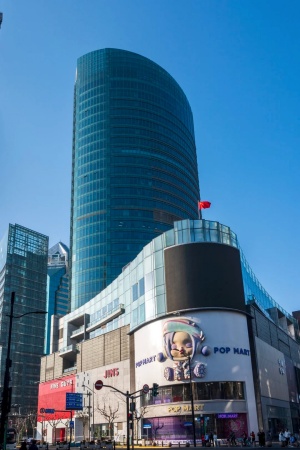
Shopping on Nanjing Road in Shanghai was just amazing! It's truly the "First Commercial Street of China", where tradition and modernity blend perfectly. You can find awesome souvenirs and experience the trendy vibes in cool stores. The neon lights at night are just spectacular, shining bright like Times Square in New York. The food here is incredible too. I had a feast for my taste buds. Shanghai, I'll definitely be back!
Destination(s): Shanghai
Date of Experience: May 08,2024
...
...
Elvis Eva
Canada
Reviewed on June 20,2025
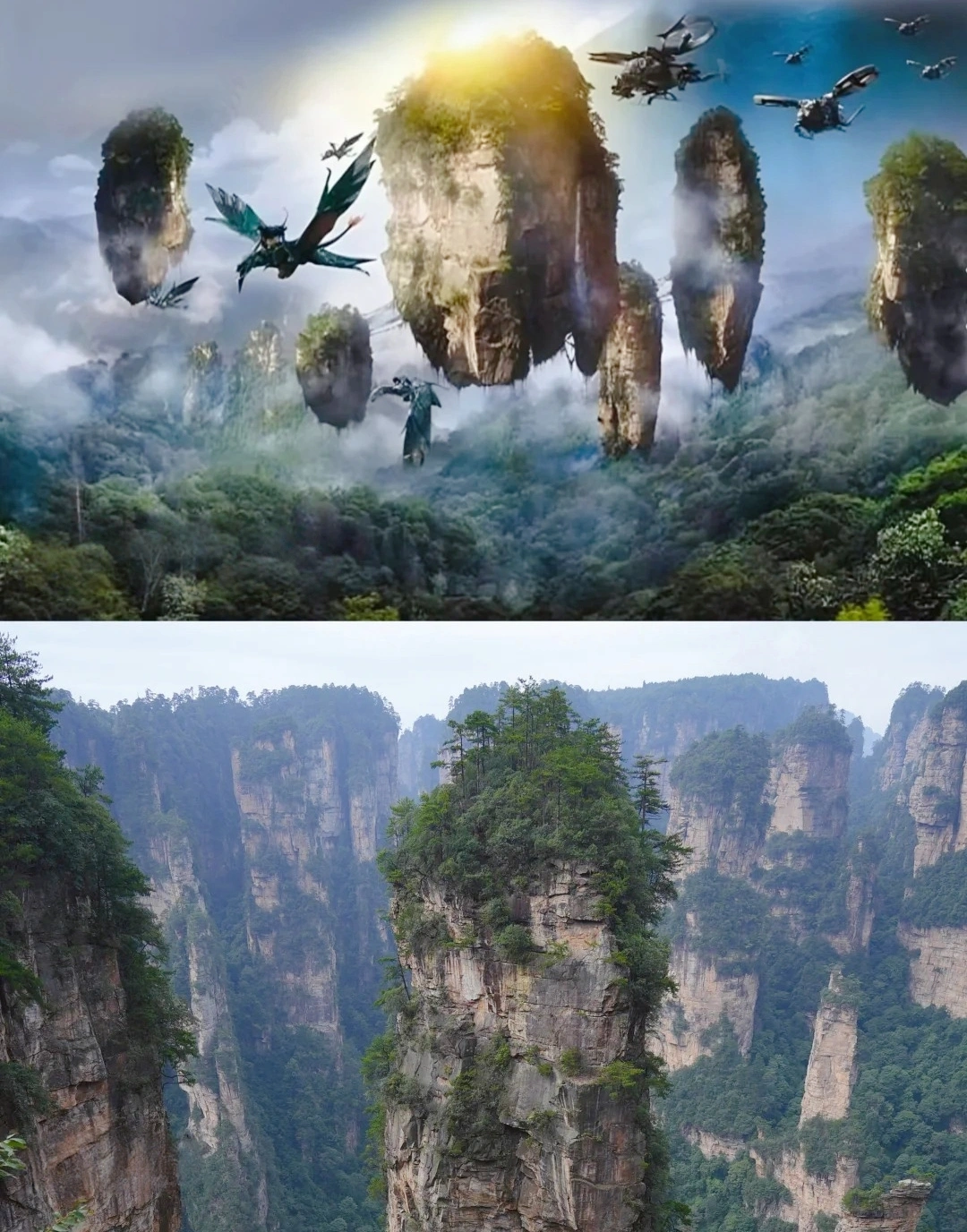
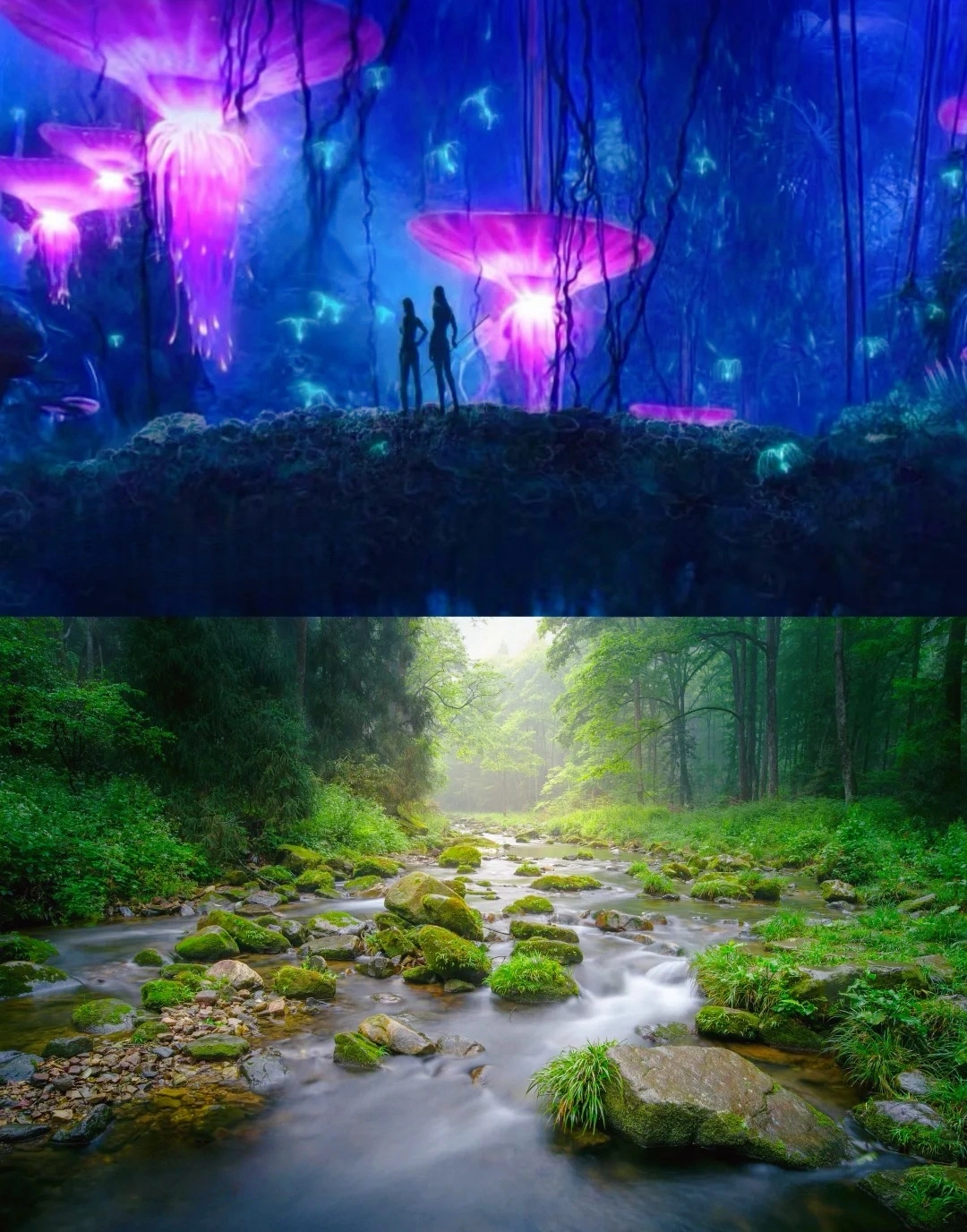
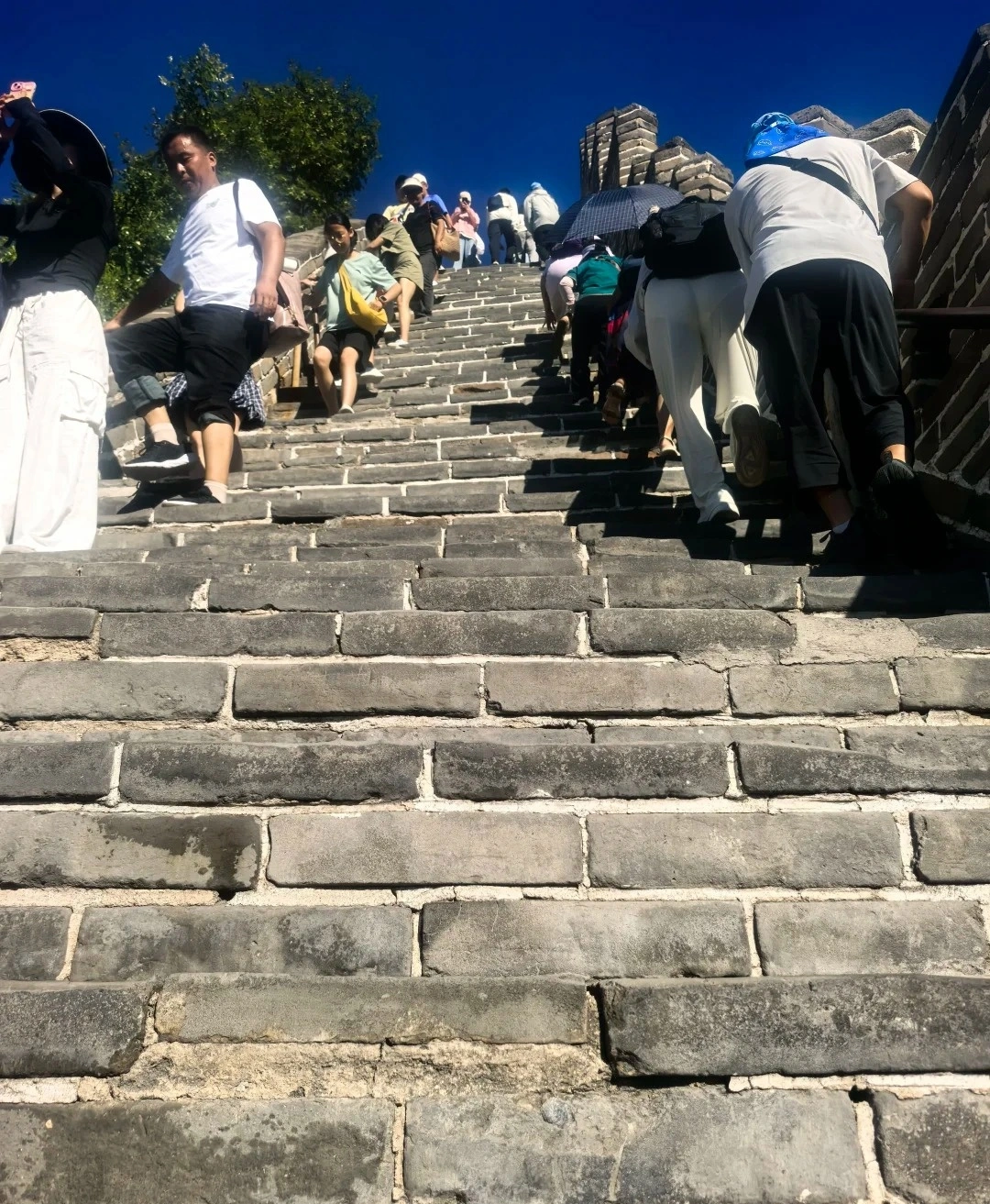
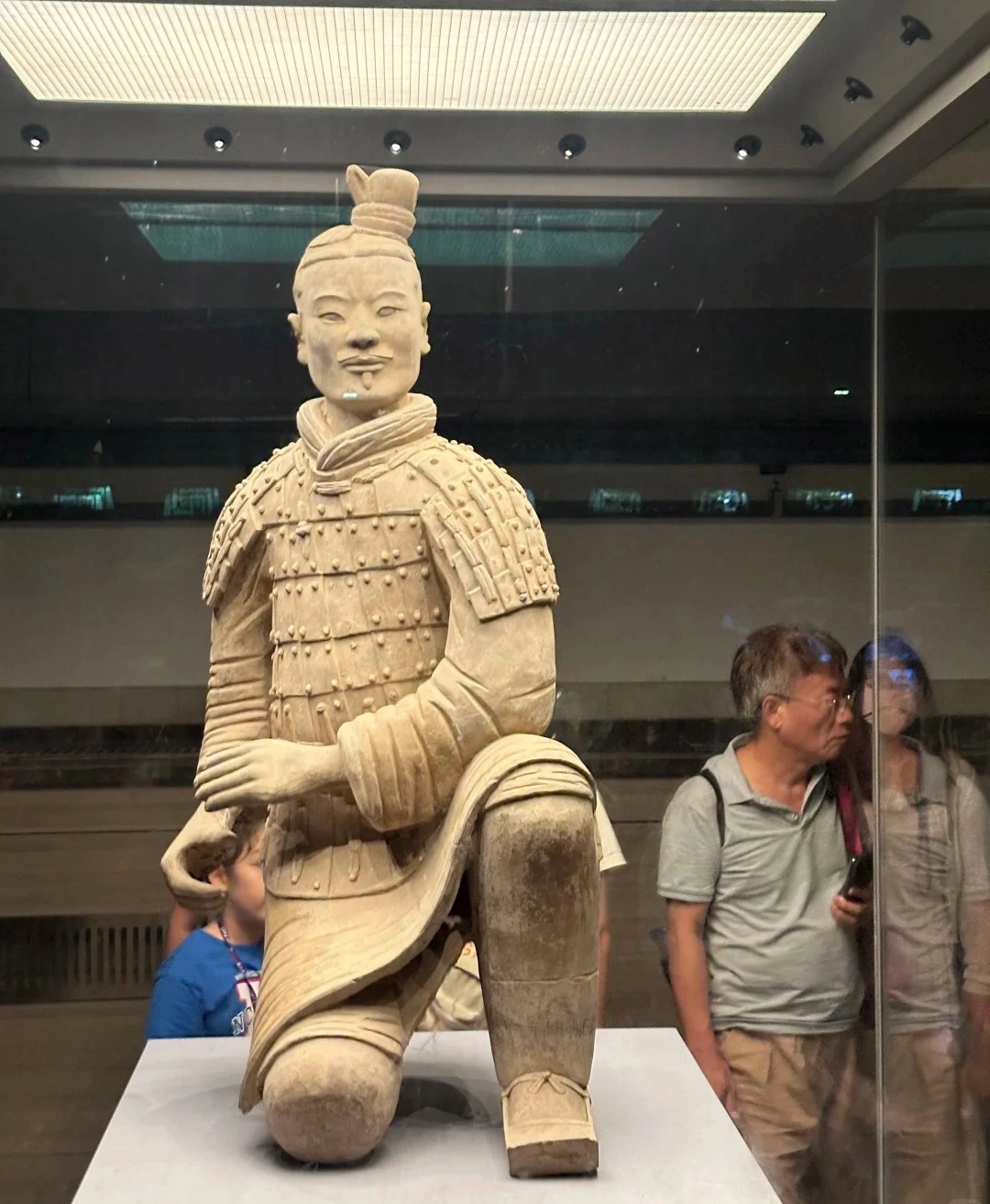
As a solo traveler from Canada, I was nervous about navigating China alone—but this 11-day tour was PERFECT! From hiking the Great Wall at sunrise (Day 3) to gasping at the Terracotta Army (Day 5), every day delivered ‘pinch-me’ moments. The real showstopper? Zhangjiajie’s Avatar Mountains (Day 7)! Our guide made the stone pillars come alive with stories. Massive thanks for handling all logistics—bullet train tickets, entry passes, car! And the 4-star hotels surprised me.
Destination(s): Beijing Xian Zhangjiajie Shanghai
Date of Experience: June 02,2025
... ... ...
...
Simon
America
Reviewed on May 29,2025
Our 2-day Zhangjiajie tour was beyond spectacular! As someone who’s visited Beijing and Shanghai for work, this trip revealed China’s wild, magical heart. Day 1 in Zhangjiajie National Forest Park felt like stepping onto Pandora—I’m a huge Avatar fan, and Yuanjiajie’s floating peaks left me breathless. The misty pillars and lush valleys like pure movie magic! Then came Fenghuang Ancient Town, we eat dinner beside the thundering waterfall. It seems Unreal! The night views of stilt houses glowing over the river were straight from a fairy tale. For fellow Avatar lovers and adventure seekers: Don’t miss this bucket-list experience! 10/10 would return. A Well-Traveled Film Buff, May 2025
Destination(s): Zhangjiajie
Date of Experience: May 08,2025
... ...

Ask a Question

Question Summary (100 characters)
Details (optional) (2,000 characters)
Name
Country
Email