Chengdu Wuhou Temple: A Spiritual Hall for the Joint Worship of Kings and Ministers and the Three Kingdoms Culture

Chengdu Wuhou Temple: A Spiritual Hall for the Joint Worship of Kings and Ministers and the Three Kingdoms Culture

Overview: A millennium ancestral hall that embodies loyalty, righteousness, and wisdom
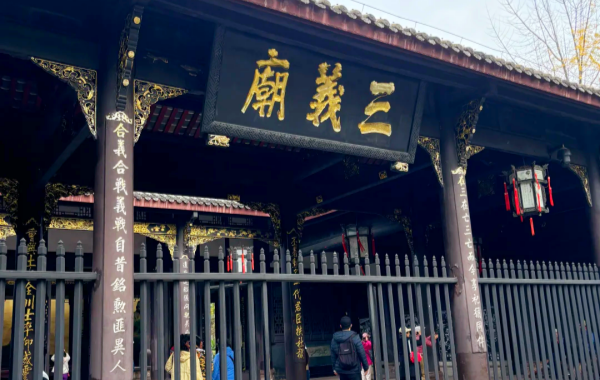
The Wuhou Temple in Chengdu, located at 231 Wuhou Temple Street, Wuhou District, Chengdu City, Sichuan Province, is the only existing temple in China that enshrines both monarchs and officials. It is also the most important site museum commemorating the monarchs and officials of Shu Han during the Three Kingdoms period.

Quick overview of core highlights
Identity tags: China's only temple where monarchs and ministers worship together/Holy Land of the Three Kingdoms Culture Source/Memorial Site for Heroes of Shu Han
Core Experience: Visiting Liu Bei's Mausoleum, paying respects to Prime Minister Zhuge, admiring the Three Wonders of Tang Dynasty Steles, and strolling through the red walls and bamboo shadows
Suggested tour: 2-3 hours, it is recommended to combine professional explanations or advance understanding of the Three Kingdoms background to gain a deep cultural experience.
Address: No. 231 Wuhouci Street, Wuhou District, Chengdu City, Sichuan Province

  • Chengdu Wuhou Temple: A Spiritual Hall for the Joint Worship of Kings and Ministers and the Three Kingdoms Culture-1
  • Chengdu Wuhou Temple: A Spiritual Hall for the Joint Worship of Kings and Ministers and the Three Kingdoms Culture-2
  • Chengdu Wuhou Temple: A Spiritual Hall for the Joint Worship of Kings and Ministers and the Three Kingdoms Culture-3
  • Chengdu Wuhou Temple: A Spiritual Hall for the Joint Worship of Kings and Ministers and the Three Kingdoms Culture-4

Origin: A timeless tale of the joint worship of kings and ministers

Furong Ancient Town Furong Ancient Town

The Beginning of Huiling: The Historical Coordinates of the Shu Han Dynasty
The origin of the Wuhou Temple in Chengdu is closely related to Liu Bei, the founding emperor of Shu Han. In 223 AD, Emperor Liu Bei of Shu Han passed away in Yong'an. His coffin was transported back to Chengdu and buried there. A tomb and a temple for worship were built according to regulations, known as the "Huiling" and "Han Zhaolie Temple" in history. This initial establishment established the sacred status of this place as the legitimate memorial site for the Shu Han regime. The Huiling Mausoleum is still intact, with a height of 12 meters, surrounded by red walls and ancient cypress forests. It is the only above ground imperial tomb in Chengdu and the historical origin of the Wuhou Temple architectural complex.
Changes in Ancestral Temples: The Popular Aspiration from the "Han Zhaolie Temple" to the "Wuhou Temple"
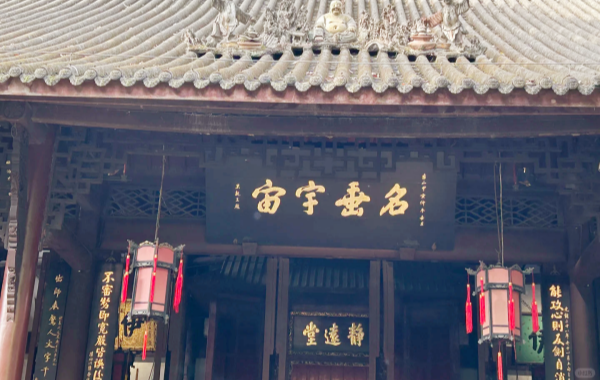
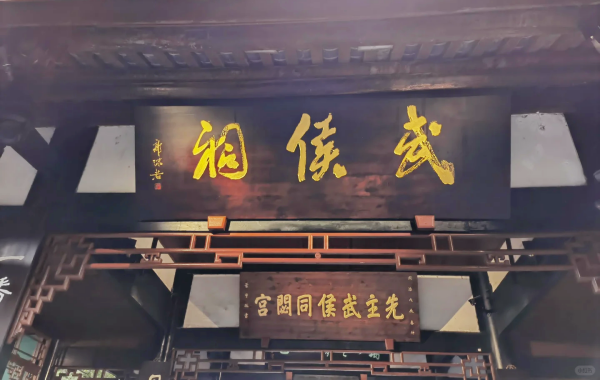
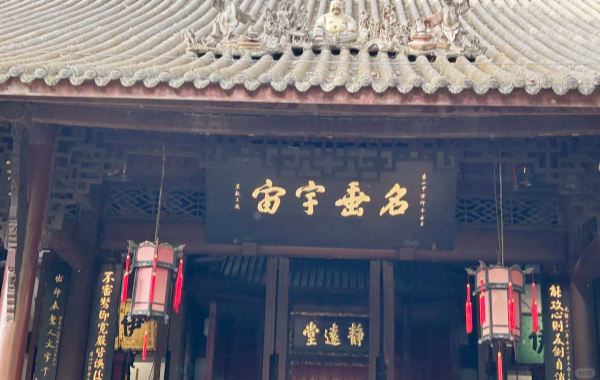
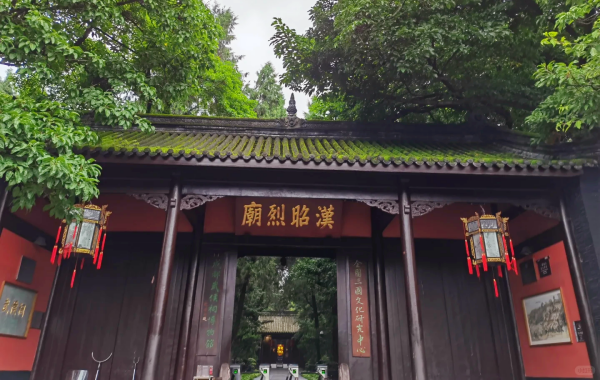
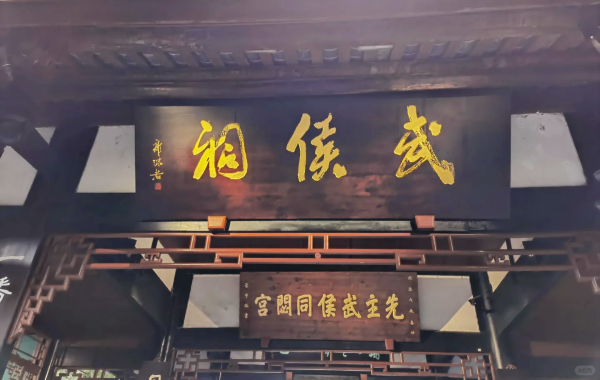
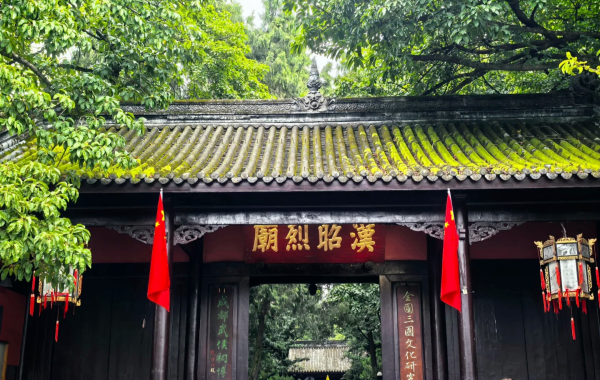
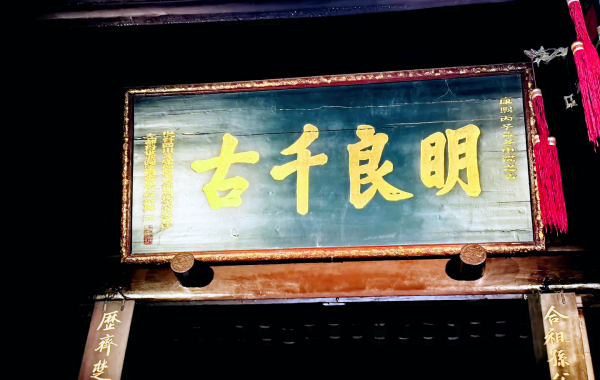
It is interesting that although the "Wuhou Temple" is now well-known to the world, the main entrance of its main building still hangs the plaque of "Han Zhaolie Temple". The evolution of this name deeply reflects the unparalleled love and admiration of later generations for Zhuge Liang. Zhuge Liang was granted the title of "Marquis of Wuxiang" during his lifetime and posthumously honored with the title of "Loyal Marquis of Wu" after his death. His historical achievements and personal charm are deeply imprinted in the hearts of the people of Bashu. During the Southern and Northern Dynasties, the Wuhou Temple was first built next to the Liu Bei Temple. In the early Ming Dynasty, when King Xian of Shu Zhu Chun rebuilt the temple, in order to reflect the principles of the ruler and minister, the Wuhou Temple was merged into the Han Zhaolie Temple, forming a joint worship pattern of "the front hall worships Zhaolie (Liu Bei), and the back hall worships Wuhou (Zhuge Liang)". However, according to word of mouth among the people, the entire temple is still commonly referred to as the "Wuhou Temple", resulting in a unique cultural phenomenon of "the temple with a large inscription on the door and the Zhaolie Temple, and people all respect the Wuhou Temple", which can be regarded as a vivid embodiment of "the hearts of the people are the hearts of history".

Must See Wonders: Symphony of Architectural Relics and Landscape Art

Furong Ancient Town Furong Ancient Town

Humanistic craftsmanship - solidified epic of Shu Han
The architectural sequence of Wuhou Temple itself is a rigorous and narrative epic, unfolding along the central axis and telling the story of history in sequence.
Tang Stele and the Corridor of Literary Officials and Martial Generals: A Thousand Year Praise for Setting the Tone
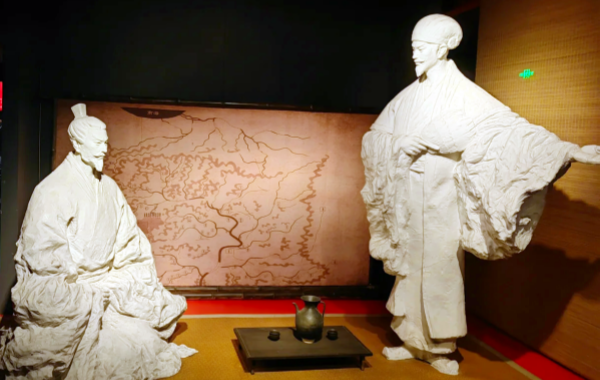
After entering the gate, the first thing that catches the eye is the "Three Treasures Stele" of the Shu Prime Minister Zhuge Wuhou Temple Stele. This monument was written by the famous Tang Dynasty minister Pei Du, written by the calligrapher Liu Gongchuo (brother of Liu Gongquan), and engraved by the renowned craftsman Lu Jian. The writing, calligraphy, and carving techniques are all of high quality, hence the name "Three Wonders". The inscription highly praised Zhuge Liang's life and set a tone of reverence for future generations. On the east and west sides of the Wenchen Corridor and the Wujiang Corridor, there are 28 statues of Shu Han important civil and military officials, such as Pang Tong, Jiang Wan, Guan Yu, Zhang Fei, etc., with vivid character forms, resembling an open-air memorial hall for Shu Han heroes.
Liu Bei Hall and Zhuge Liang Hall - The Core of the Joint Worship of Kings and Ministers
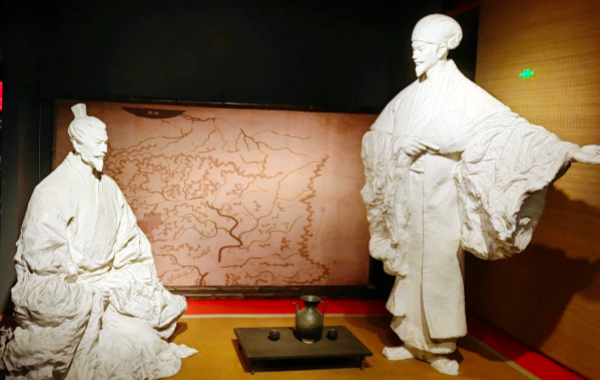
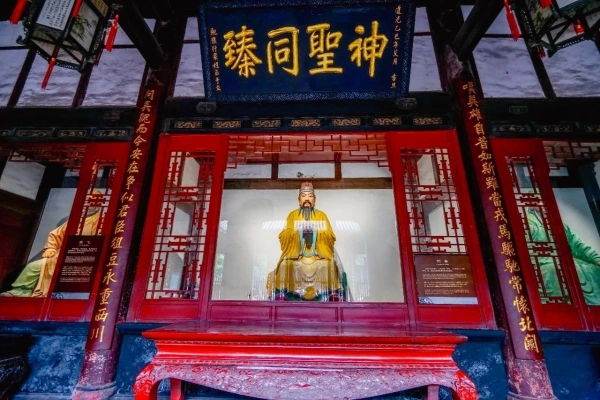
The architecture of Liu Bei Hall is magnificent and majestic. Liu Bei's golden statue in the center is full and graceful, with large ears and long arms. His grandson Liu Chen accompanied him to worship beside him. The hall is adorned with plaques such as "Ye Shao Gao Guang", praising Liu Bei for inheriting the achievements of Han Gaozu and Han Guangwu Emperor. Passing through the hall, you will arrive at the tranquil and solemn Zhuge Liang Palace. The scale of the hall is smaller than that of Liu Bei Hall, reflecting the traditional etiquette system of monarchs and ministers. Zhuge Liang's statue is adorned with feather fans and silk scarves, exuding elegance and wisdom. His son Zhuge Zhan and grandson Zhuge Shang are worshipped alongside him, and he has been a loyal martyr for three generations, which is admirable. There are numerous plaques and couplets in the hall, and the most famous one is undoubtedly the "Attack Heart Coupon" written by the Qing Dynasty scholar Zhao Fan, which reads "If you can attack the heart, then turn the other side and self destruct. From ancient times, it has been known that soldiers are not warlike; if you do not judge the situation, you will be lenient or strict. Later, when governing Shu, you need to think deeply about it". It is rich in profound philosophy of governing the country.
Huiling - the imperial tomb that has been lying still for thousands of years
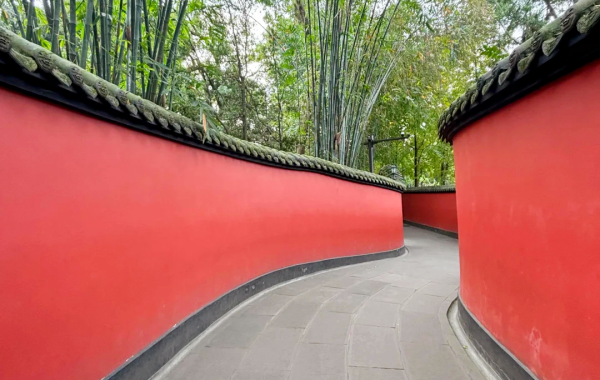
The destination of the tour is the tranquil Huiling. The tomb is sealed with earth and surrounded by red brick walls. Outside the wall, ancient cypress trees stand tall and lush, with a curved red wall lining the path (known as the "Huiling Divine Road") becoming an excellent photography spot. The red walls, blue tiles, and green bamboo complement each other, creating a mottled light and shadow and a profound artistic conception.

Natural interest - a model of temple gardens in western Sichuan
The Wuhou Temple is not a dull ancestral hall, but a vibrant classical garden.
Gubeisensen and Red Wall Bamboo Shadow
The temple is filled with ancient and famous trees, especially ancient cypresses. These towering ancient cypresses, traditionally planted in the Tang Dynasty, are vigorous and upright, creating a solemn and dignified historical atmosphere. The connection between Liu Bei Hall and Zhuge Liang Hall on both sides, as well as the red walls surrounding the Huiling Mausoleum, are the finishing touch of the garden art of Wuhou Temple. The winding red wall, swaying bamboo outside the wall, and protruding branches and leaves inside the wall form a natural painting frame. The sunlight shines through the bamboo leaves on the red wall, and the light and shadow flow. It is known as the "Red Wall Bamboo Shadow" and is one of the most representative classical aesthetic images in Chengdu.
Jinli and Garden Water Scenery
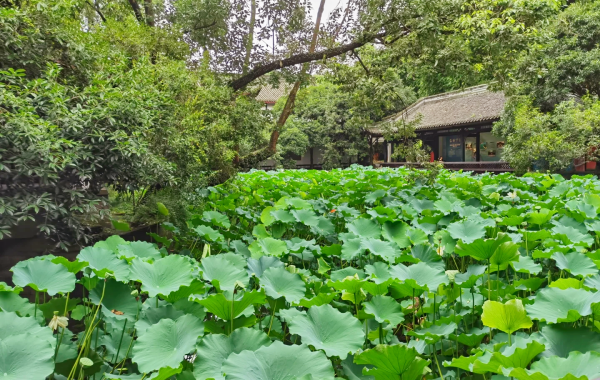
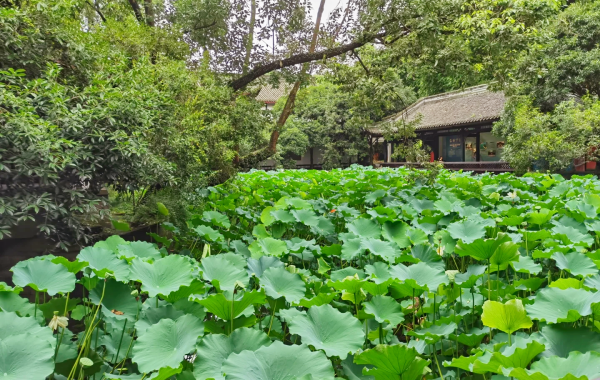
The Jinli Ancient Street, separated from the Wuhou Temple by a wall, was later rebuilt as a folk leisure area. However, its bluestone paved roads, antique buildings, and flowing water continue the historical charm of the temple, providing a space for rest and experiencing common culture. Inside the temple, there are also water pools, small bridges, and pavilions embellished with a combination of movement and stillness, reflecting the Chinese classical temple garden design concept of "although created by humans, it opens from the heavens".

Photography tips:
Iconic check-in: The "Red Wall Bamboo Shadow" lane (especially next to Huiling) is a must take scene. It is recommended to choose a sunny morning or afternoon and use side lighting to capture the light and shadow effects.
Architectural details: Use a medium telephoto lens to capture the inscription details of the Tang Dynasty stele, the kissing beasts and eaves corners on the roof of the palace, as well as the expressions of the statues of literati and generals in the corridor.
Cultural atmosphere: Before the park opens or closes in the early morning, there are few tourists, and the authentic atmosphere of the temple's tranquility and solemnity can be captured. Window frames and doorways in gardens are excellent framing elements.
Jinli Night Scene: In the evening, you can step into Jinli and capture the warm scene of lanterns rising, contrasting with the solemnity of temples during the day.

Core Experience: Immersive Guide to Three Kingdoms Culture

Furong Ancient Town

Five Must Do Things to Unlock a Complete Journey to Wuhou Temple
Visit Huiling once and reflect on the rise and fall of Shu Han
Slowly circumnavigate Huiling along the Red Wall Divine Path. Standing still in front of this well preserved imperial tomb for a moment, reminiscing about Liu Bei's legendary life from weaving mats and selling shoes to starting a business, and then to the White Emperor taking care of orphans, feeling the historical vicissitudes of "how many things in ancient and modern times are talked about with laughter".
Read 'Heart Attack Alliance' once and savor the wisdom of governing the country
In front of Zhuge Liang's palace, carefully read the famous "Heart Attack couplet". This couplet is not only an insightful summary of Zhuge Liang's strategy for governing Shu, but also contains political wisdom and management philosophy that transcends the times, and is worth pondering repeatedly.
Find a red wall bamboo shadow and capture a picture of time
Amidst the red walls of the temple, search for the optimal angle where sunlight and bamboo shadows intertwine. Whether taking a photo in an empty mirror or wearing Hanfu or elegant clothing, one can capture a picture full of classical poetry and cultural heritage.
Take a trip to Jinli and experience the fireworks of Shu region
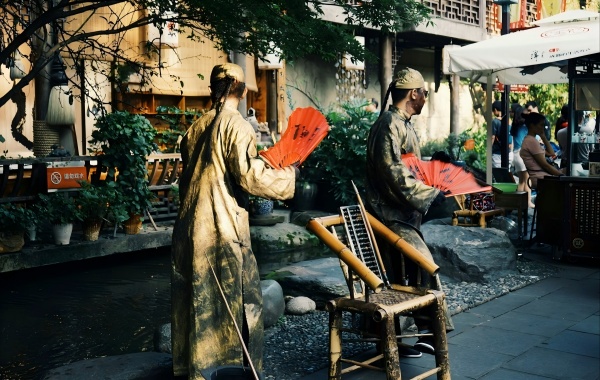
Step into the adjacent Jinli Ancient Street through the side door. Here is a condensed version of Chengdu's urban life, where you can taste authentic snacks such as San Da Pao, Tang You Guo, and Zhang Fei Beef, appreciate folk crafts such as shadow puppetry and sugar blowing, and experience the wonderful transformation from a historical palace to a vibrant marketplace.
Bring a cultural and creative souvenir letter to continue cultural memory
Choose a unique souvenir from the cultural and creative shops within the scenic area. Whether it's a scroll with the "Memorial of the Three Kingdoms" printed on it, a bookmark in the shape of Zhuge Liang's feather fan, or a Q-version Three Kingdoms character doll, they are all beautiful ways to bring back Three Kingdoms culture.

Suggested tour routes
The core area of Wuhou Temple is concentrated, which is very suitable for arranging half day to one-day in-depth cultural tours.
Half day "essence of Ancestral Tombs" Tour (suitable for most tourists):
Enter from the main entrance → First, visit the Tang Stele to learn about the "Dingdiao Stele" of the Wuhou Temple → Then visit the Wenchen Corridor and the Wujiang Corridor to get to know the heroes of Shu Han → Enter the Liu Bei Hall to pay tribute to Emperor Zhaolie → Pass through the hall and enter the Zhuge Liang Hall, carefully reading famous couplets such as the "Attacking Heart couplet" → Finally, walk along the red wall to Huiling, circumnavigate the tomb, and experience the peaceful historical atmosphere → Enter Jinli Ancient Street from the side entrance to end the tour. The whole process takes about 2-2.5 hours.
IntoTravelChina tip: This route closely follows the core cultural relics of the central axis, efficient and classic. It is strongly recommended to rent an audio guide or follow the scenic area for scheduled explanations, otherwise it is easy to "watch the excitement" and difficult to "understand the way".
One day "Three Kingdoms Culture" in-depth tour (recommended for history enthusiasts):
In the morning, visit all the buildings and exhibition halls of Wuhou Temple, including the Three Kingdoms Culture Exhibition Room, to gain a deeper understanding of the historical background. Have lunch in Jinli or nearby and taste Sichuan cuisine. In the afternoon, walk to the adjacent Chengdu Museum (reservation required) or Sichuan Provincial Library to learn about Chengdu's history from a broader perspective; Or go to Du Fu Thatched Cottage to complete the cultural journey from the Three Kingdoms to Tang poetry. This itinerary has a slow pace and a lot of information.
Advantages of IntoTravelChina: We can book a senior Three Kingdoms cultural tour guide for you, arrange joint tickets and transportation connections with other museums in Chengdu (such as the Jinsha Site Museum), and provide the best dining and leisure advice, making your cultural journey both in-depth and easy.

Professional guide: IntoTravelChina can provide you with a personalized itinerary, including exclusive tour guides, transportation, and activity arrangements, allowing you to have a worry free and in-depth experience. >>Consult now for customization

Travel Guide: Transportation, Accommodation, and Seasons

Furong Ancient Town

How to reach: Seamless Connection Guide
Wuhou Temple is located in the central urban area of Chengdu, with a well-developed transportation network that is extremely convenient.
Subway (recommended): Take Chengdu Metro Line 3 or Line 5 to Gaoshengqiao Station, exit from Exit C or D, and walk for about 8-10 minutes to reach the main entrance of Wuhou Temple.
Bus: Multiple bus routes can reach the "Wuhou Temple" station, such as Route 1, Route 57, Route 82, Route 334, Route 335, etc.
Self driving/taxi: simply navigate to "Chengdu Wuhou Temple Museum". The scenic area has an underground parking lot, but parking spaces are scarce during holidays. It is recommended to prioritize public transportation.

Best travel time
Wuhou Temple is suitable for all seasons, with ancient trees providing shade and cool summers. However, the spring and autumn seasons (March May, September November) are the most comfortable and are the golden seasons for tourism.
Spring and Autumn Golden Season: With a mild climate and warm sunshine, it is very suitable for strolling and taking photos in ancient buildings and gardens. The plants inside the temple are colorful and the scenery is pleasant.
Summer Cooling Season: Chengdu is hot and humid in summer, but the ancient trees in Wuhou Temple are towering, making it a rare cool place in the city. You can avoid traveling during the hottest time of noon.
Winter quiet season: There are relatively few tourists, and if you encounter a light rain or mist, the red walls and black tiles look even more quaint and weathered in the humid air, creating a unique atmosphere.

Accommodation options
Wuhou Temple and surrounding areas of Jinli (preferred, immersed in cultural atmosphere):
This area has a strong cultural atmosphere, with dazzling lights in Jinli at night. There are various boutique cultural hotels and characteristic homestays, some of which offer scenic views through sliding windows and are within walking distance to the scenic area, making them very suitable for tourists who want to experience in depth.
Tianfu Square/Chunxi Road area in the city center (most convenient for shopping and dining):
Located in the absolute core business district of Chengdu, there are numerous hotel options available, ranging from international chains to economy hotels, making dining, shopping, and entertainment extremely convenient. It takes about 20 minutes to take the subway to Wuhou Temple.
The Kuanzhai Alley area in Qingyang District (balancing leisure and convenience):
This area itself is a famous historical and cultural district, full of Chengdu's leisurely lifestyle, with numerous inns and boutique hotels. The transportation to Wuhou Temple is convenient (about 15 minutes by subway or taxi), and the night is lively and full of atmosphere.

IntoTravelChina accommodation booking recommendations:
We strongly recommend that if you wish to embark on a deep cultural and leisure journey, priority should be given to the unique accommodations around Wuhou Temple/Jinli. By booking with us, we can not only select the most culturally themed hotels for you, but also seamlessly connect Wuhou Temple tickets and professional explanations with other core attractions in Chengdu, such as Du Fu Thatched Cottage and Jinsha Site, saving you a lot of planning and travel time. Tell us your preferences, and we will create the most authentic "Cultural Chengdu" journey for you. >>Click to contact IntoTravelChina travel consultant

Extended Journey: Connecting the Cultural Essence of the Land of Abundance

Furong Ancient Town Furong Ancient Town

One day essence tour of Chengdu urban culture: Chengdu Museum (history) → Taikoo Li (modern fashion) → Kuanzhai Alley (traditional street) → Sichuan Opera Performance (night). This route crosses the past and present of Chengdu within a day.
Sichuan Sichuan Classic 6-day Ring Road: Chengdu → Leshan (Leshan Giant Buddha Scenic Area, Mount Emei) → Sanxingdui → People's Park, Jinli Old Street → Giant Panda Base, Chunxi Road. This is a classic Sichuan journey from modern cities to natural wonders and cultural heritage.>>Explore the 6-day essence of Sichuan

Join hands with IntoTravelChina and embark on your exclusive journey of Three Kingdoms culture

Furong Ancient Town Furong Ancient Town

Our travel experts can assist you with:
Tailored itinerary: Based on your interests, cleverly integrate the natural, historical, and culinary journeys of Taikoo Li and Sichuan, and design a unique route.
One stop service: handle all transportation, accommodation, tour guide, and special activity reservations during the itinerary, making you worry free and effortless.
Exclusive perspective and arrangement: providing in-depth interpretation of urban culture, recommending hidden treasure shops and exhibition information, making your trip not just sightseeing, but also a deep experience of urban aesthetics and lifestyle.
Make your trip to Taikoo Li not just about shopping, but also a deep conversation about understanding Chengdu, a city where you don't want to leave once you come.  

Start planning your journey now:Feel free to contact our professional travel consultants, and we will provide you with exclusive itinerary plans and quotes within 24 hours. >>Click to contact IntoTravelChina travel consultant

Recommended Tours

Top 3 tours chosen by most customers to explore in the best way. Check the detailed itinerary, or tailor your own trip now with us.

Zhangjiajie Tour
Lijiang Shangrila Chengdu 7-Day Tour
Zhangjiajie Tour
11-Day Chinese Classic In-depth Tour

11 Days  |  Chengdu-Zhangjiajie-Xi'an-Beijing

Zhangjiajie Tour
Zhangjiajie-Chengdu 7-Days Tour

What Our Clients Say?

Based on 10,000+ traveler reviews

...
Daniel Dorothea
Canada
Reviewed on April 29,2025
Shopping on Nanjing Road in Shanghai was just amazing! It's truly the "First Commercial Street of China", where tradition and modernity blend perfectly. You can find awesome souvenirs and experience the trendy vibes in cool stores. The neon lights at night are just spectacular, shining bright like Times Square in New York. The food here is incredible too. I had a feast for my taste buds. Shanghai, I'll definitely be back!
Destination(s): Shanghai
Date of Experience: May 08,2024
...
...
Elvis Eva
Canada
Reviewed on June 20,2025
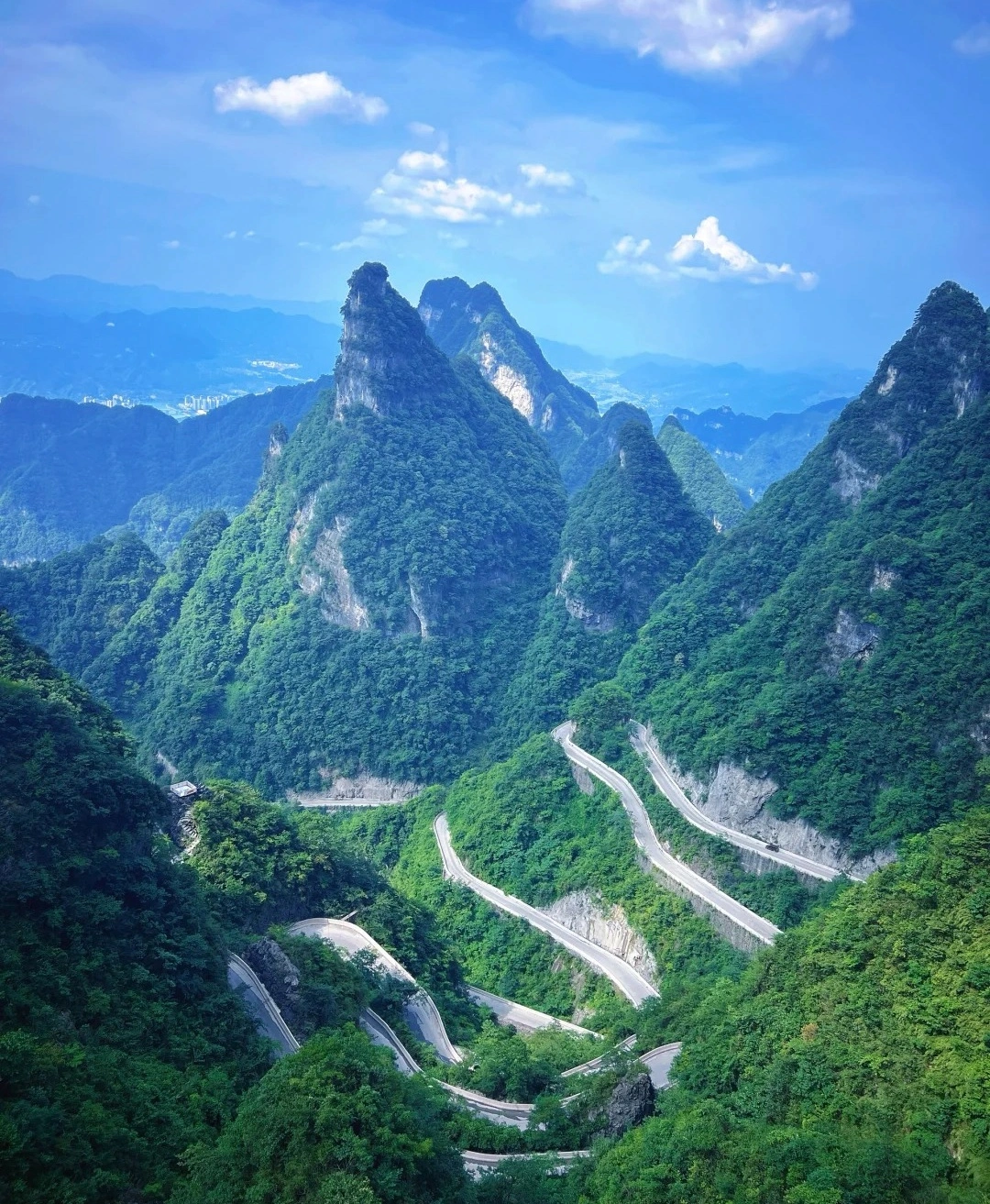
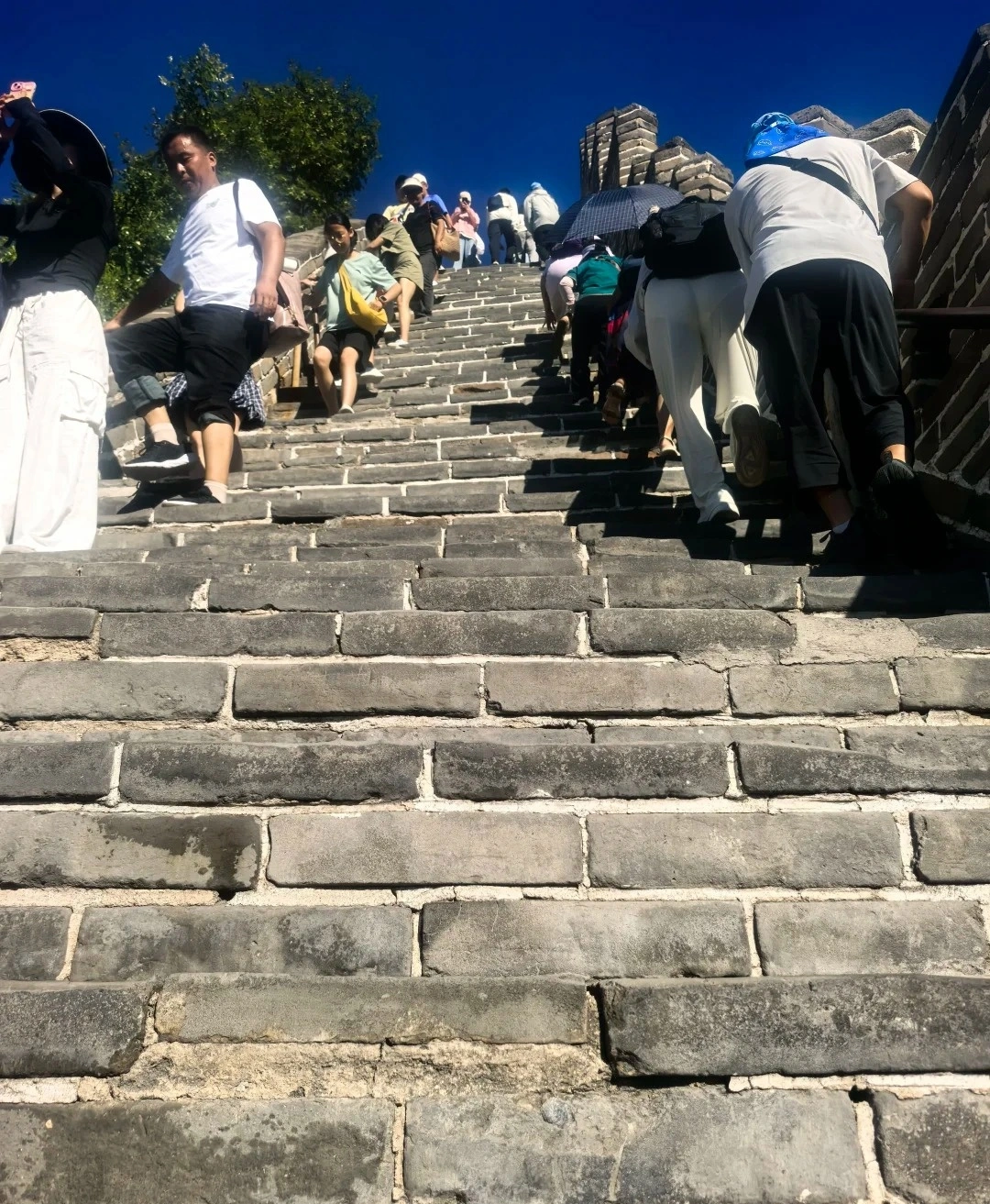
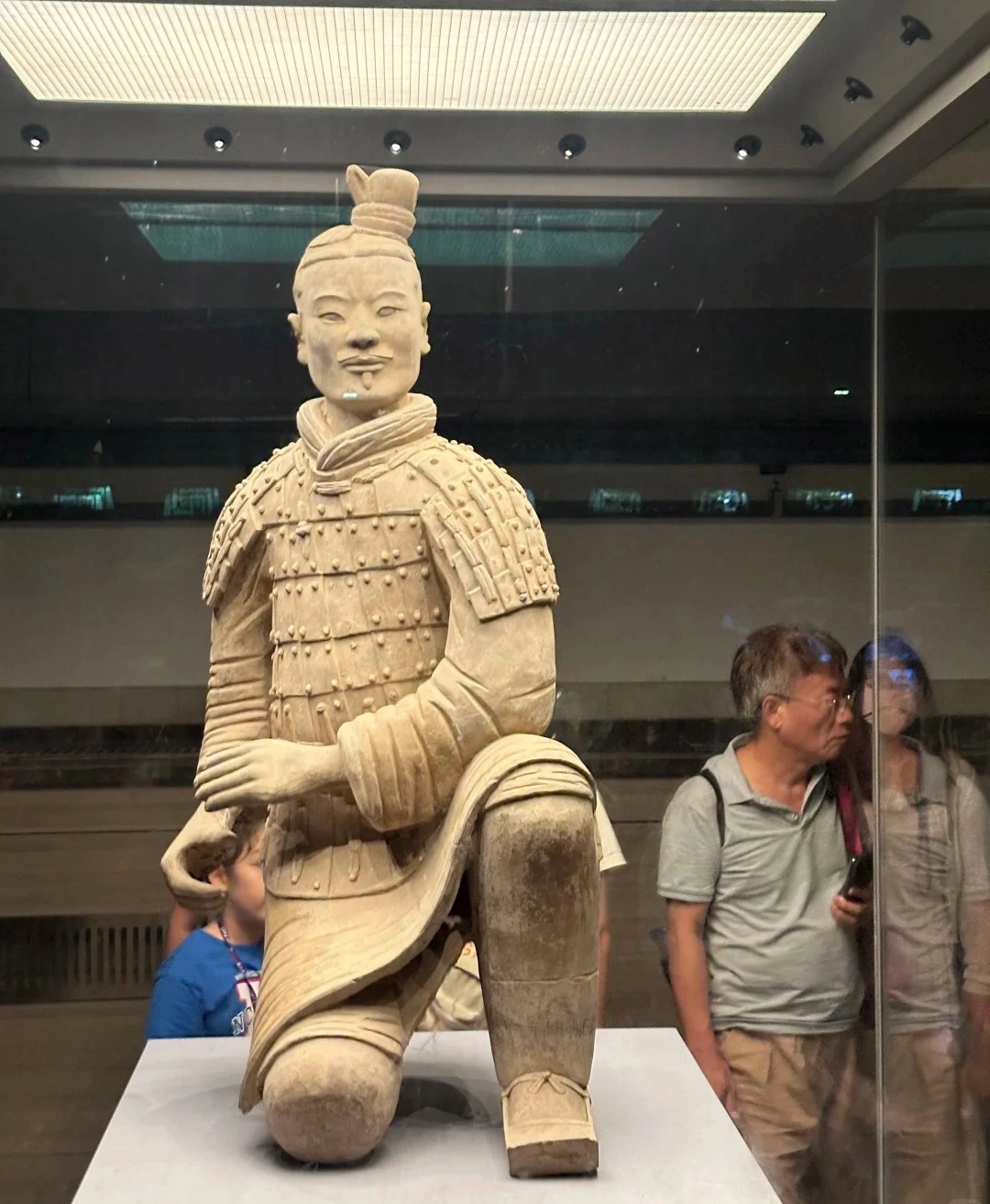
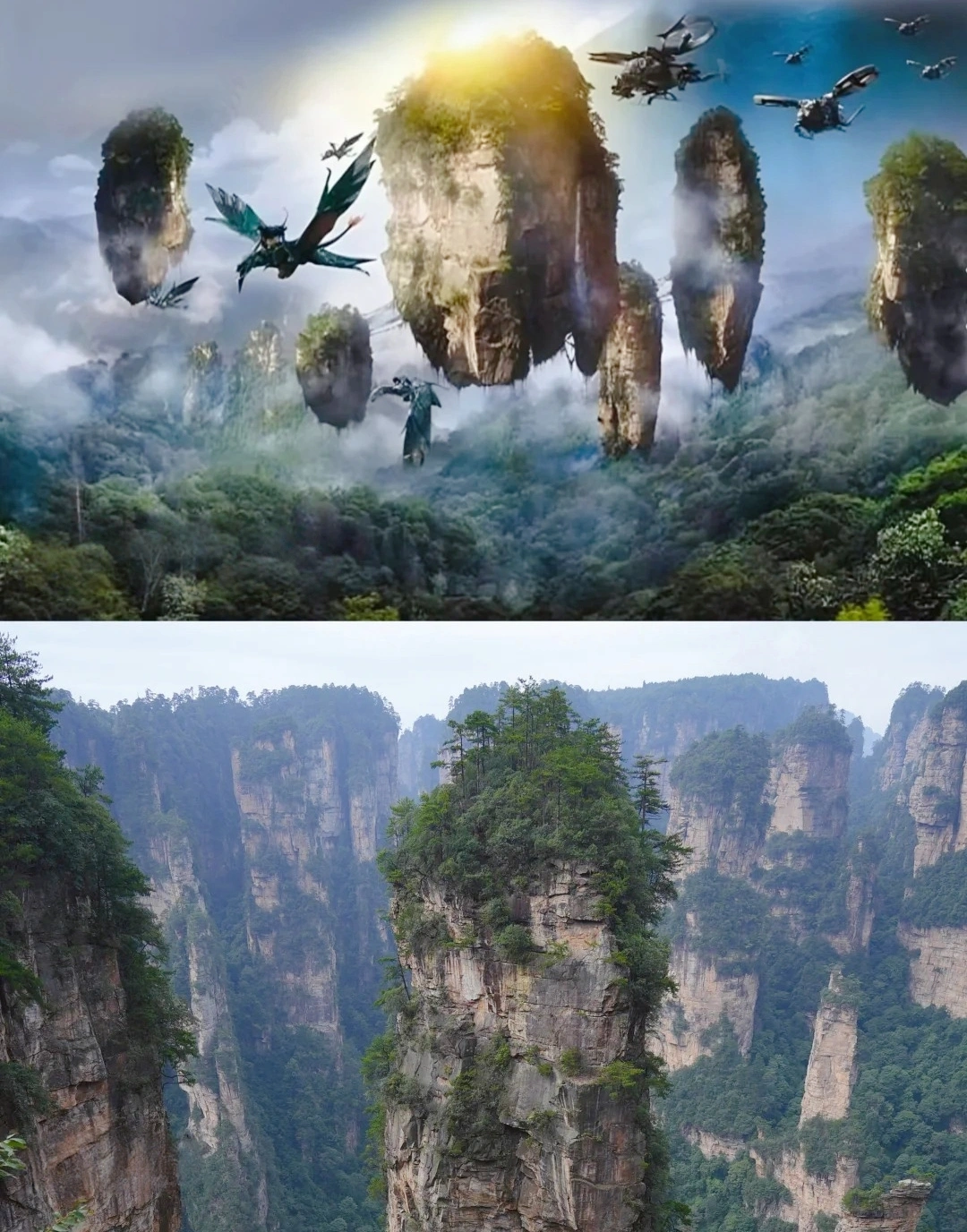
As a solo traveler from Canada, I was nervous about navigating China alone—but this 11-day tour was PERFECT! From hiking the Great Wall at sunrise (Day 3) to gasping at the Terracotta Army (Day 5), every day delivered ‘pinch-me’ moments. The real showstopper? Zhangjiajie’s Avatar Mountains (Day 7)! Our guide made the stone pillars come alive with stories. Massive thanks for handling all logistics—bullet train tickets, entry passes, car! And the 4-star hotels surprised me.
Destination(s): Beijing Xian Zhangjiajie Shanghai
Date of Experience: June 02,2025
... ... ...
...
Simon
America
Reviewed on May 29,2025
Our 2-day Zhangjiajie tour was beyond spectacular! As someone who’s visited Beijing and Shanghai for work, this trip revealed China’s wild, magical heart. Day 1 in Zhangjiajie National Forest Park felt like stepping onto Pandora—I’m a huge Avatar fan, and Yuanjiajie’s floating peaks left me breathless. The misty pillars and lush valleys like pure movie magic! Then came Fenghuang Ancient Town, we eat dinner beside the thundering waterfall. It seems Unreal! The night views of stilt houses glowing over the river were straight from a fairy tale. For fellow Avatar lovers and adventure seekers: Don’t miss this bucket-list experience! 10/10 would return. A Well-Traveled Film Buff, May 2025
Destination(s): Zhangjiajie
Date of Experience: May 08,2025
... ...

Ask a Question

Question Summary (100 characters)
Details (optional) (2,000 characters)
Name
Country
Email