
Geermu Kunlun Culture Area
The Golmud Kunlun Tourist Area, located in the Haixi Mongolian and Tibetan Autonomous Prefecture of Qinghai Province, is a premier natural and cultural tourism destination along the Qinghai-Tibet Railway. As a 4A-level scenic area designated in 2001, it spans 124,500 square kilometers and integrates the majestic Kunlun Mountains, vast salt lakes, ancient Huyang forests, and Tibetan cultural heritage. Revered as the "Ancestor of All Mountains" in Chinese mythology, the Kunlun Range symbolizes the spiritual and geographical heart of China, with peaks soaring above 6,000 meters and glaciers that feed Asia’s major rivers. This area is a UNESCO-recognized geopark and a cradle of Silk Road history, offering a unique blend of plateau ecology, industrial tourism, and mythological significance.
Historical Overview
The Kunlun Mountains have been a sacred symbol in Chinese culture for millennia, referenced in ancient texts like Shan Hai Jing and Classic of Mountains and Seas. Emperor Wu of the Han Dynasty (156–87 BCE) dispatched expeditions to seek the "peaks of Kunlun," linking the range to the legendary homeland of the Chinese people. The area gained modern prominence with the 1950s discovery of vast mineral resources, including China’s largest potassium salt deposit at Qarhan Lake. In 2001, the Golmud Kunlun Cultural Tourism Zone was officially established, combining natural wonders with industrial heritage. Key historical events include the 2006 completion of the Qinghai-Tibet Railway, which traverses the region, and the 2023 implementation of seasonal free-entry policies to promote sustainable tourism.
Structural Layout
The tourism zone is divided into three core sections:
- Kunlun Mountain Core Zone: Centered around the Kunlun Pass (4,767 meters), this area features glaciers, alpine meadows, and the sacred "Nachitai Spring," believed to be the "Jade Pool" from mythology.
- Salt Lake Industrial Zone: Highlights include the Qarhan Salt Lake, the world’s second-largest salt lake, and modern salt-mining facilities showcasing China’s resource extraction technology.
- Cultural Experience Zone: Encompasses Tibetan villages, Huyang forests (Asia’s largest ancient Huyang ecosystem), and the Kunlun Mythology Park, which reenacts tales like the "Heavenly Empress’s Peach Feast."
Supporting infrastructure includes the Golmud Museum, Geological Exhibition Hall, and multiple observation decks for panoramic views.
Major Attractions
- Kunlun Pass: The gateway to the Tibetan Plateau, offering views of snow-capped peaks like Yuzhu Peak (6,178 meters) and seasonal "June Snow" phenomena.
- Nachitai Spring: A 7°C constant-temperature mineral spring, historically used by Tibetan nomads and pilgrims.
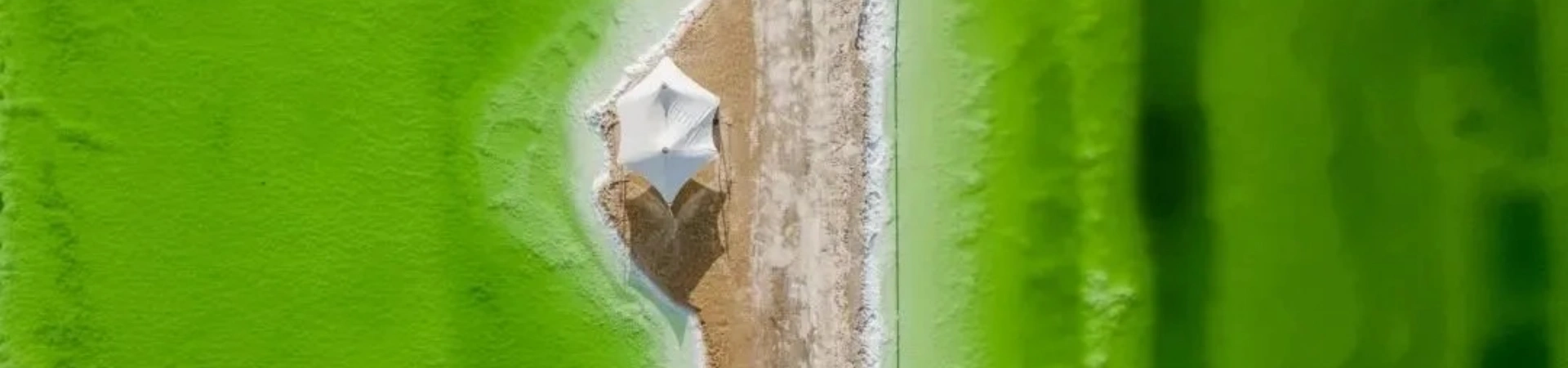
- Qarhan Salt Lake: A surreal "Jade Sea" with over 60 billion tons of salt reserves, accessible via scenic wooden walkways.
- Huyang Forest Reserve: A 38,000-hectare UNESCO biosphere reserve with trees dating back 3,000 years.
- Kunlun Mythology Hall: Interactive exhibits on myths like Nuwa Mending the Sky and the Monkey King’s journey.
- Salt Industry Museum: Demonstrates traditional and modern salt extraction techniques, including a replica of a 2,000-year-old "salt brick" road.
Suggested Itineraries
-
Classic Half-Day Route:
Golmud City Center → Kunlun Pass (2 hours) → Nachitai Spring (1 hour) → Qarhan Salt Lake Overlook (1.5 hours)
Highlights: Mountain vistas, sacred springs, and salt lake photography. -
Cultural Deep Dive (Full Day):
Golmud Museum → Huyang Forest (3 hours) → Tibetan Village Homestay (2 hours) → Kunlun Mythology Park (2 hours)
Highlights: Ecology, nomadic culture, and mythological storytelling. -
Adventure Expedition (2 Days):
Day 1: Salt Lake Industrial Tour + Night Camping at Huyang Forest
Day 2: Kunlun Pass Trekking → Nachitai Spring Pilgrimage → Return to Golmud
Highlights: Industrial heritage, stargazing, and high-altitude hiking.
Ticket Purchase
- Online: Book via the official WeChat mini-program "Golmud Tourism" (up to 7 days in advance).
- On-Site: Tickets available at the Kunlun Pass Entrance (8:30–16:30).
- Prices:
- Peak Season (May–October): ¥150 (adults), ¥75 (students/seniors).
- Off-Season (November–April): ¥100 (adults), ¥50 (students/seniors).
- Free: Children under 1.2m, disabled visitors, and military personnel.
Transportation
- By Air: Golmud Airport (GOQ) offers direct flights to Xining, Xi’an, and Chengdu (1.5–2.5 hours).
- By Train: The Qinghai-Tibet Railway connects Golmud to Xining (14 hours) and Lhasa (22 hours).
- By Car: Self-driving routes from Xining (780km, 10 hours) or Dunhuang (500km, 8 hours).
- Local Transport: Taxis dominate intra-city travel; charter buses available for scenic area tours.
Best Time & Tips
- Optimal Seasons: May–October for mild weather; December–February for snowscape photography.
- Avoid Crowds: Visit early morning (8:30–10:30) or late afternoon (15:00–17:00).
- Essentials:
- Sunscreen (UV index exceeds 8 in summer).
- Oxygen canisters (available at hotels/stations).
- Respect Tibetan customs (e.g., clockwise circumambulation of stupas).
- Prohibitions: Drones require prior permits; littering incurs heavy fines.
This comprehensive guide blends myth, nature, and modernity, offering travelers a profound connection to China’s "Sacred Mountain."


Contact Us
Что говорят наши клиенты?
На основе более 10 000 отзывов путешественников

Daniel Dorothea
Canada
Reviewed on April 29,2025
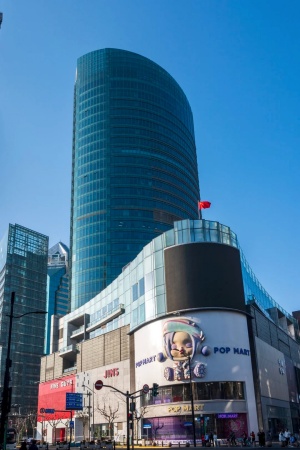
Shopping on Nanjing Road in Shanghai was just amazing! It's truly the "First Commercial Street of China", where tradition and modernity blend perfectly. You can find awesome souvenirs and experience the trendy vibes in cool stores. The neon lights at night are just spectacular, shining bright like Times Square in New York. The food here is incredible too. I had a feast for my taste buds. Shanghai, I'll definitely be back!
Destination(s):
Shanghai
Date of
Experience:
May 08,2024

Elvis Eva
Canada
Reviewed on June 20,2025
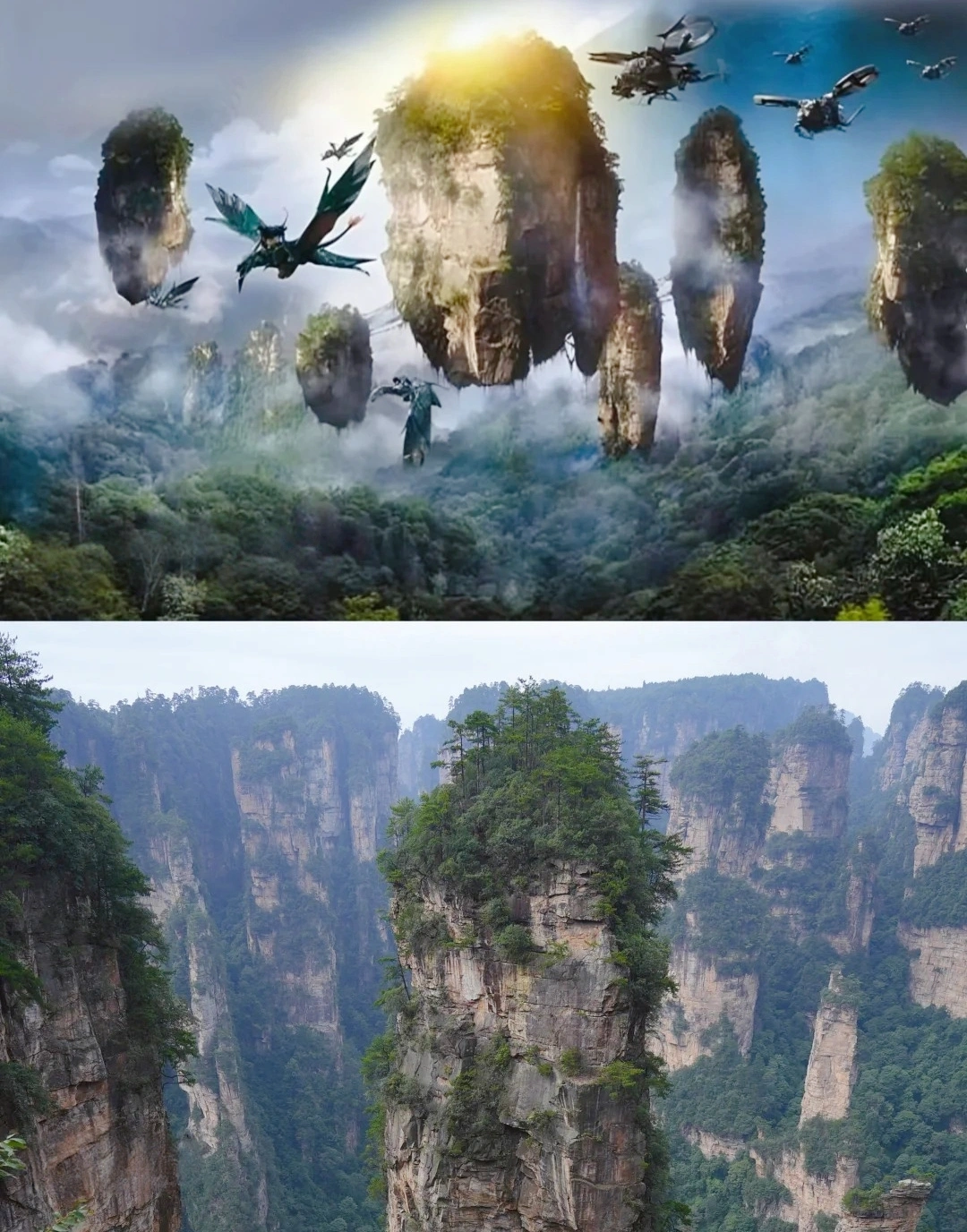
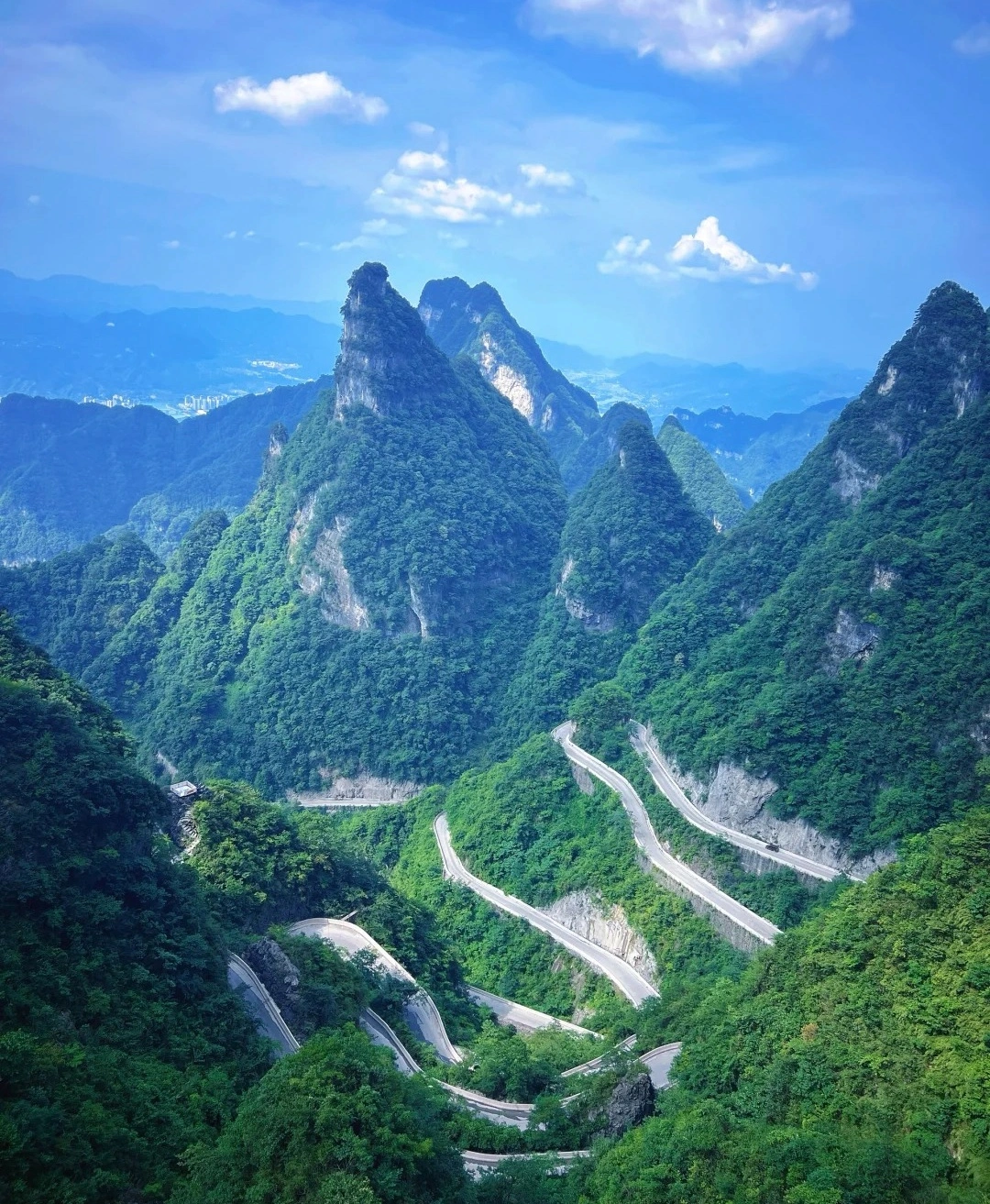
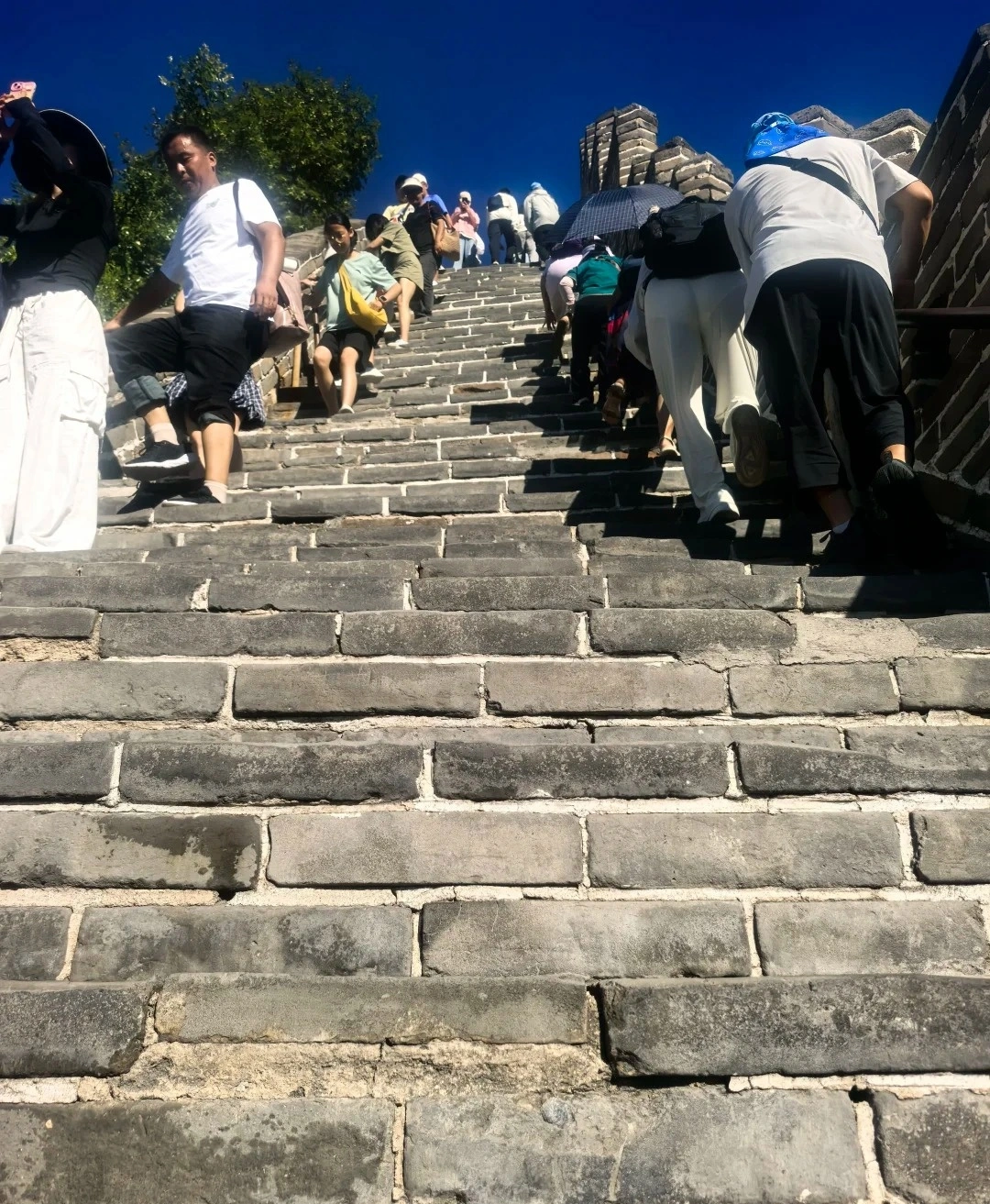
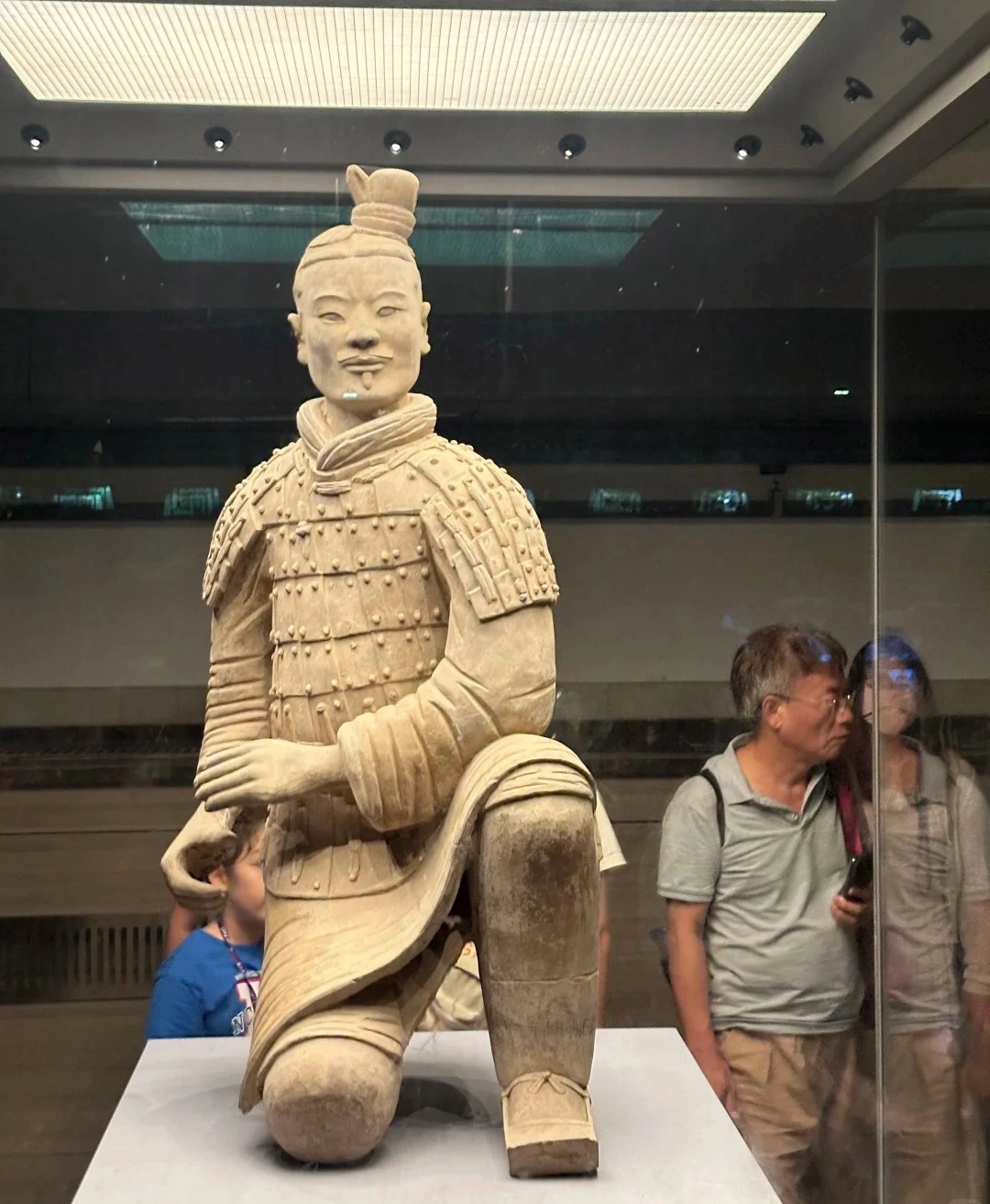
As a solo traveler from Canada, I was nervous about navigating China alone—but this 11-day tour was PERFECT! From hiking the Great Wall at sunrise (Day 3) to gasping at the Terracotta Army (Day 5), every day delivered ‘pinch-me’ moments. The real showstopper? Zhangjiajie’s Avatar Mountains (Day 7)! Our guide made the stone pillars come alive with stories.
Massive thanks for handling all logistics—bullet train tickets, entry passes, car! And the 4-star hotels surprised me.
Destination(s):
Beijing Xian Zhangjiajie Shanghai
Date of
Experience:
June 02,2025

Simon
America
Reviewed on May 29,2025
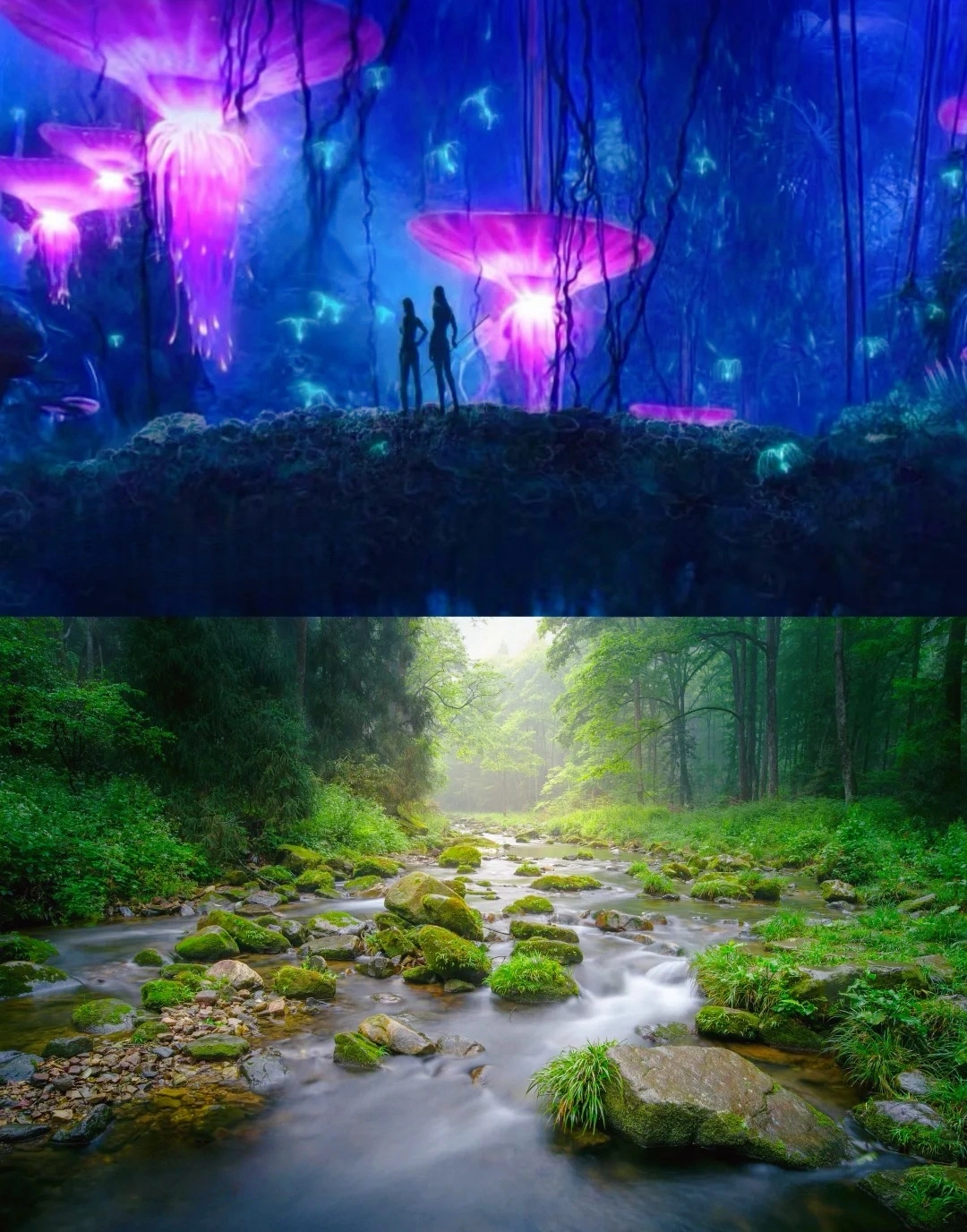
Our 2-day Zhangjiajie tour was beyond spectacular! As someone who’s visited Beijing and Shanghai for work, this trip revealed China’s wild, magical heart. Day 1 in Zhangjiajie National Forest Park felt like stepping onto Pandora—I’m a huge Avatar fan, and Yuanjiajie’s floating peaks left me breathless. The misty pillars and lush valleys like pure movie magic!
Then came Fenghuang Ancient Town, we eat dinner beside the thundering waterfall. It seems Unreal! The night views of stilt houses glowing over the river were straight from a fairy tale.
For fellow Avatar lovers and adventure seekers: Don’t miss this bucket-list experience! 10/10 would return.
A Well-Traveled Film Buff, May 2025
Destination(s):
Zhangjiajie
Date of
Experience:
May 08,2025