Learning Algorithms and Growth:
Analyzing how ByteDance achieves explosive product growth and ultra-high user stickiness through advanced recommendation algorithms and data-driven approaches.



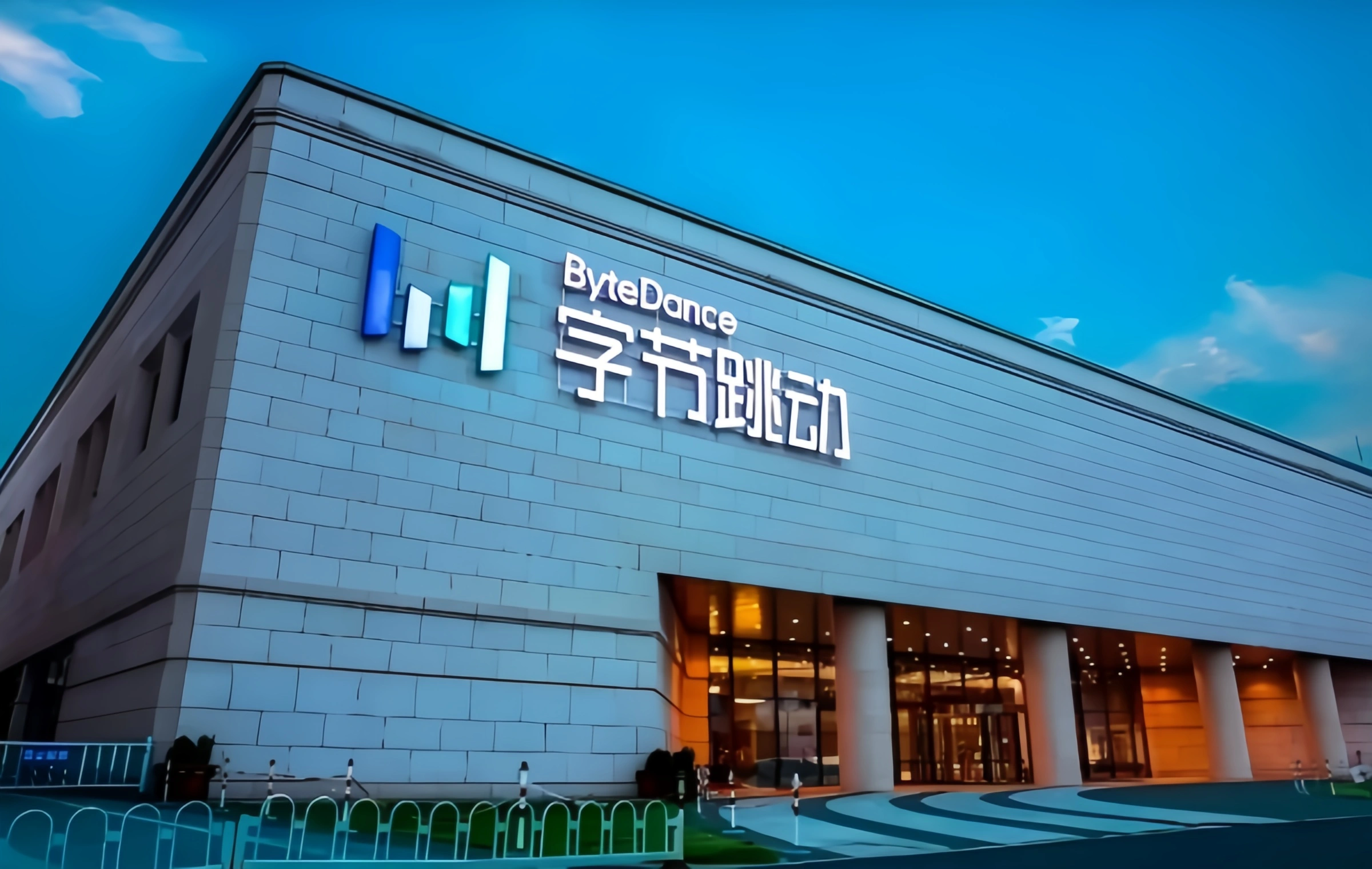
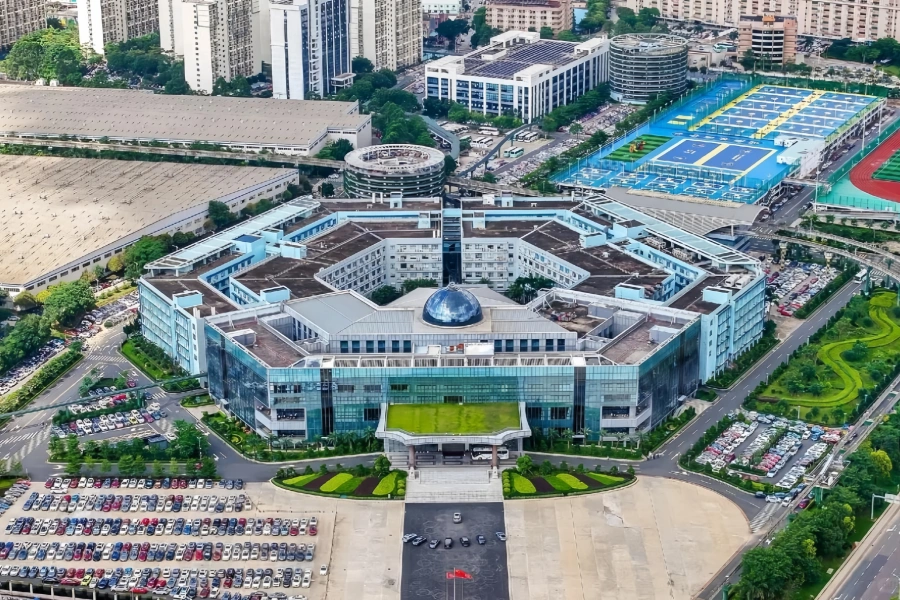
The company's innovation is driven by the organizational model of "large, middle and small platforms+small receptions", and its core products cover many fields, such as content information (today's headlines), short videos (Tiktok, TikTok), enterprise services (volcanic engine), and office collaboration (flying books). Relying on the powerful recommendation algorithm, AI technology and global operation system, ByteDance has built an ecological closed-loop of "content+social+service", and continues to reshape the global information distribution and interaction mode.
Decoding the Management Philosophy ofByteDance was founded in March 2012 and has since grown into a leading global technology company that deeply integrates artificial intelligence into mobile internet scenarios. Its official mission, “Inspire Creativity, Enrich Life,” drives its efforts to build a “global creation and communication platform,” enabling users worldwide to create, share, and discover content.Powered by advanced AI recommendation algorithms and machine learning technologies, ByteDance offers a diverse portfolio of popular products, most notably TikTok (Douyin in China), as well as other platforms such as Toutiao, Lark, and CapCut. These innovations have transformed how people consume information, entertain, and connect across borders.The Source of Deities - From Huo Guang to Qin Yubo
The uniqueness of the Shanghai City God Temple lies in the fact that it enshrines "Three City Gods in one temple". Its predecessor can be traced back to the "Jinshan Temple" built by King Sun Hao of Wu during The Three Kingdoms period to worship the famous Han Dynasty general Huo Guang. Therefore, Huo Guang is revered as the "guardian deity" of the first hall. During the Yongle period of the Ming Dynasty (early 15th century), Zhang Shouyue, the magistrate of Shanghai, transformed the Jinshan Temple into a City God Temple and officially enshrined the local City God of Shanghai - Qin Yubo. Qin Yubo was a prominent scholar in Shanghai at the end of the Yuan Dynasty. Due to his integrity in office and his protection of his fellow villagers, he was enfeoffed as the City God of Shanghai by Zhu Yuanzhang and became the city's guardian deity. In addition, during the Qing Dynasty, Chen Huacheng, a famous anti-British general, was also enshrined, jointly forming the wonder of "Three City Gods in One temple", which also reflects the accumulation of local history and beliefs in Shanghai layer by layer.
"Context, not Control" and How OKR and Feishu Collaboration Support the Efficient Operation of Flat and Agile Organizations.
1,843 The history of the City God Temple is a microcosm of Shanghai's commercial civilization and the development of its citizens' lives.
The Rise of Temple Fairs and the Emergence of Commerce (Ming and Qing Dynasties): Since its construction, the City God Temple has been the center of faith for the people of Shanghai. During festivals and deity birthdays, grand temple fairs attracted believers from all directions, resulting in a thriving incense offering scene. Merchants flocked to the area, naturally forming a rudimentary market centered around the temple fairs—the "temple market"—laying the foundation for Shanghai's commercial DNA.
The Traditional Stronghold of the "Ten-Mile Foreign Trade Center" (After the Opening of the Port in 1843): With the opening of Shanghai's port, Western influence spread eastward, and the Bund and Nanjing Road rapidly rose to become modern commercial centers. However, the City God Temple, as the core of the old city, and its adjacent Yu Garden area, stubbornly preserved the traditional Chinese market style, lifestyle, and commercial forms, forming a unique and vibrant local cultural space amidst the collision of Chinese and Western cultures.
—A Phoenix Rising from the Ashes to a Tourist Destination (1990s to Present): The City God Temple suffered greatly from war throughout history. In the 1990s, Shanghai undertook a large-scale restoration and renovation of the Yu Garden commercial area. While preserving its historical features, numerous time-honored Chinese brands, specialty shops, and local delicacies were systematically introduced, successfully transforming it into a national-level intangible cultural heritage landmark integrating religion, culture, tourism, shopping, and dining. Every year, it attracts tens of millions of domestic and international tourists.