Treasures of Humanities - The Epic of Belief in Bronze and Gold
The shock of Sanxingdui first comes from the unimaginable visual impact and spiritual connotation of its cultural relics.
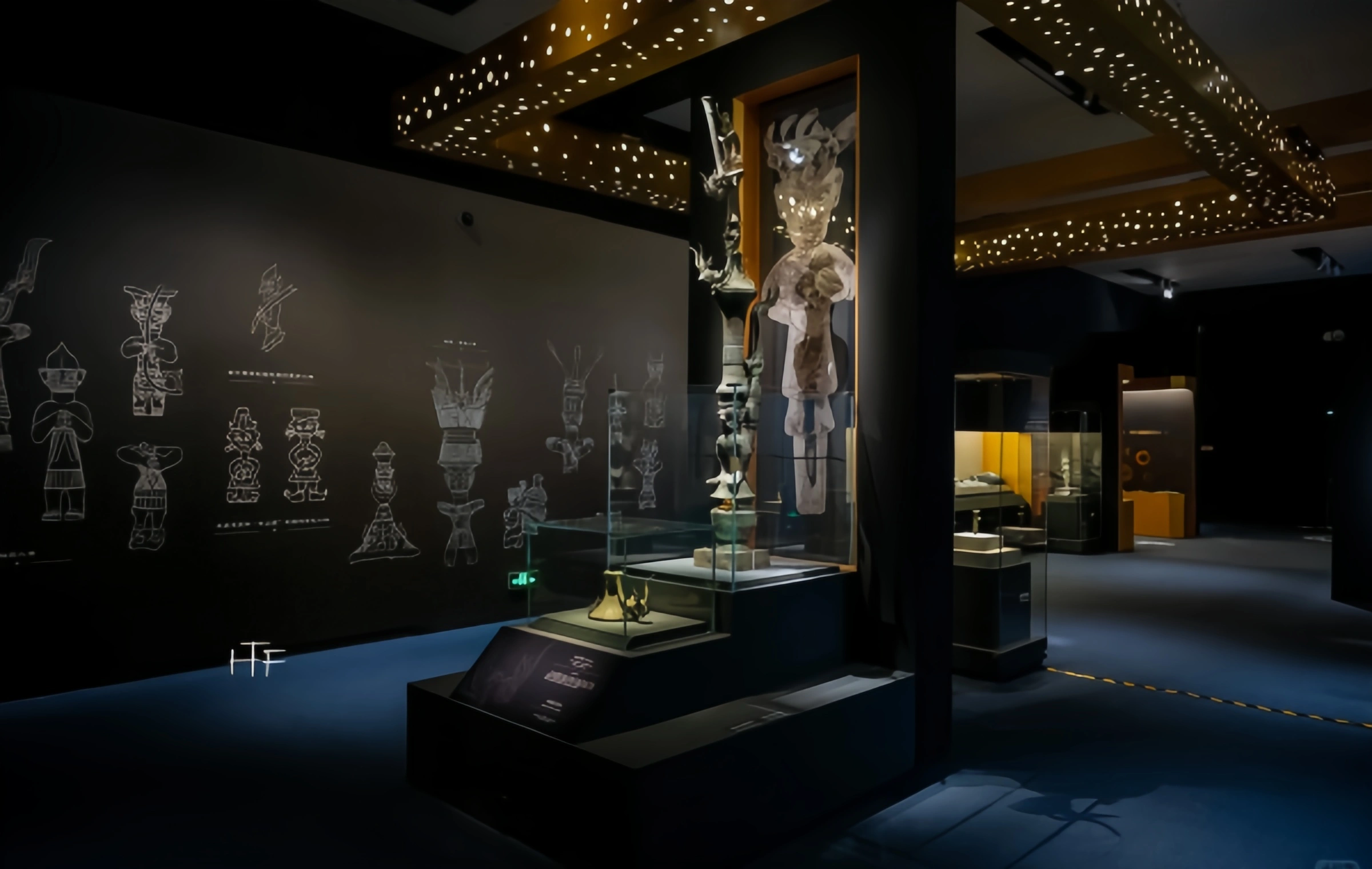
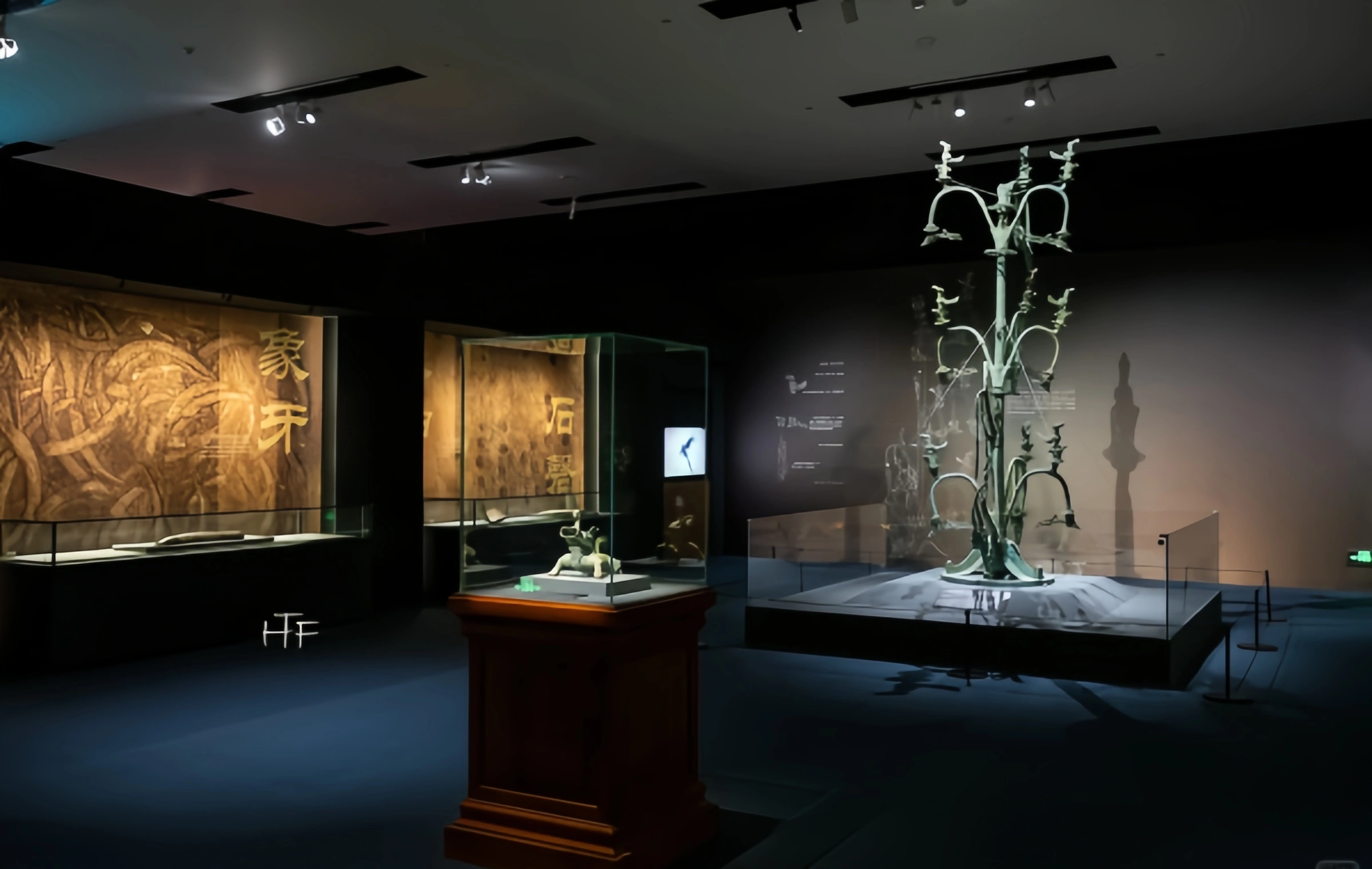
Bronze Divine Tree: Treasure of the Town Hall, unearthed from the No.1 Sacrificial Pit. After restoration, it reaches a height of 3.96 meters and is currently the largest single piece bronze artifact in the world. The tree is divided into three layers, with three branches on each layer. At the top of each branch stands a divine bird, and on the side of the tree is a divine dragon winding down from the edge tree. It is highly likely to be a physical manifestation of the heavenly trees such as "Fusang" and "Ruomu" in ancient mythology, and was the most important tool for the ancient Shu people to communicate with humans and gods, and to worship heaven and earth.
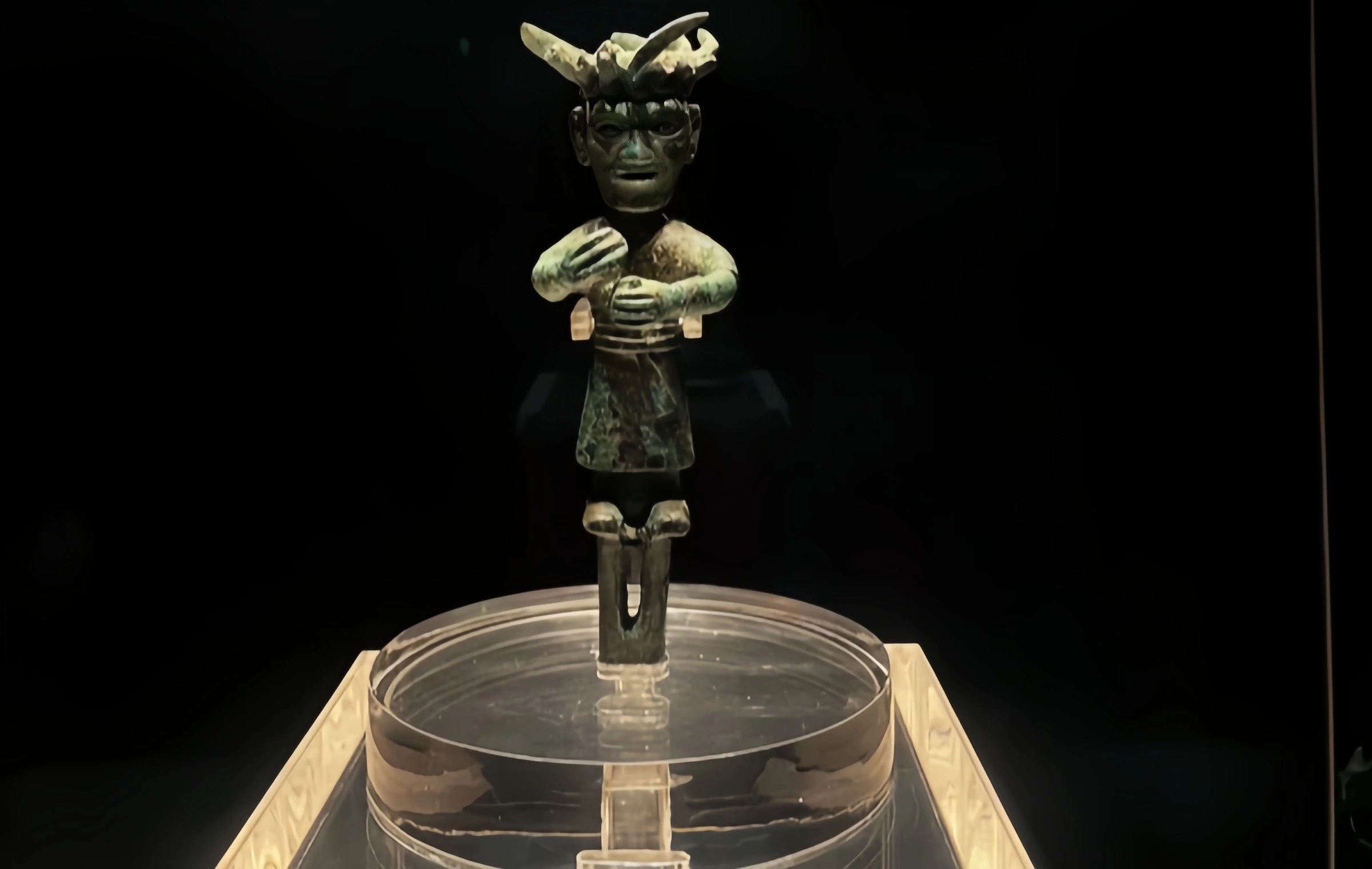
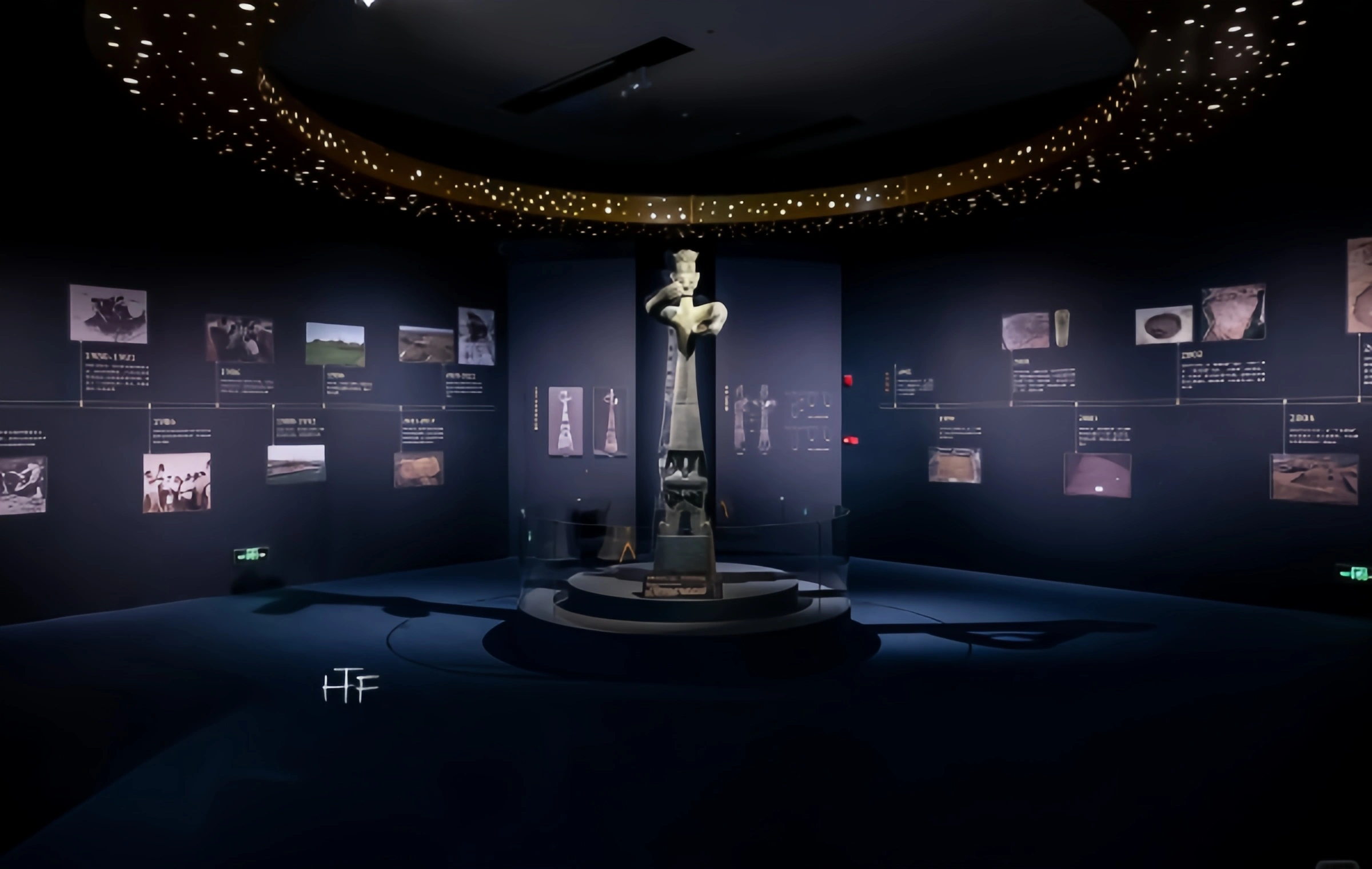
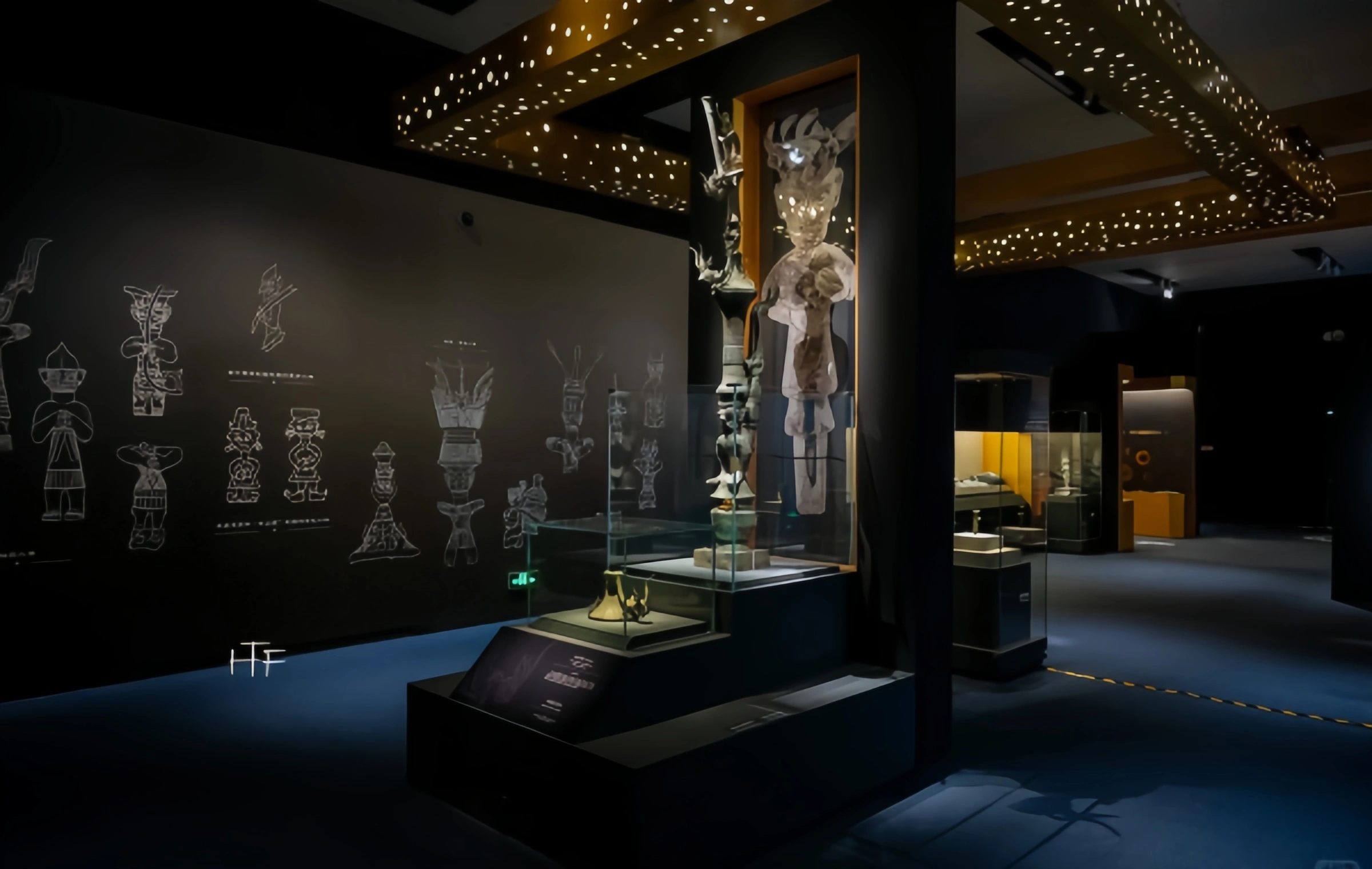
Bronze standing figure: Excavated from the second sacrificial pit, with a height of 2.62 meters and a weight of approximately 180 kilograms. The portrait is wearing a high crown and three layers of traditional Chinese clothing, with hands in a huge circular grip shape (the object held in the hands is still a mystery). He has a slender figure and a solemn expression, and is considered to be the image of the Shu king and great wizard holding supreme power. He is the "leader" of the bronze statues in Sanxingdui.
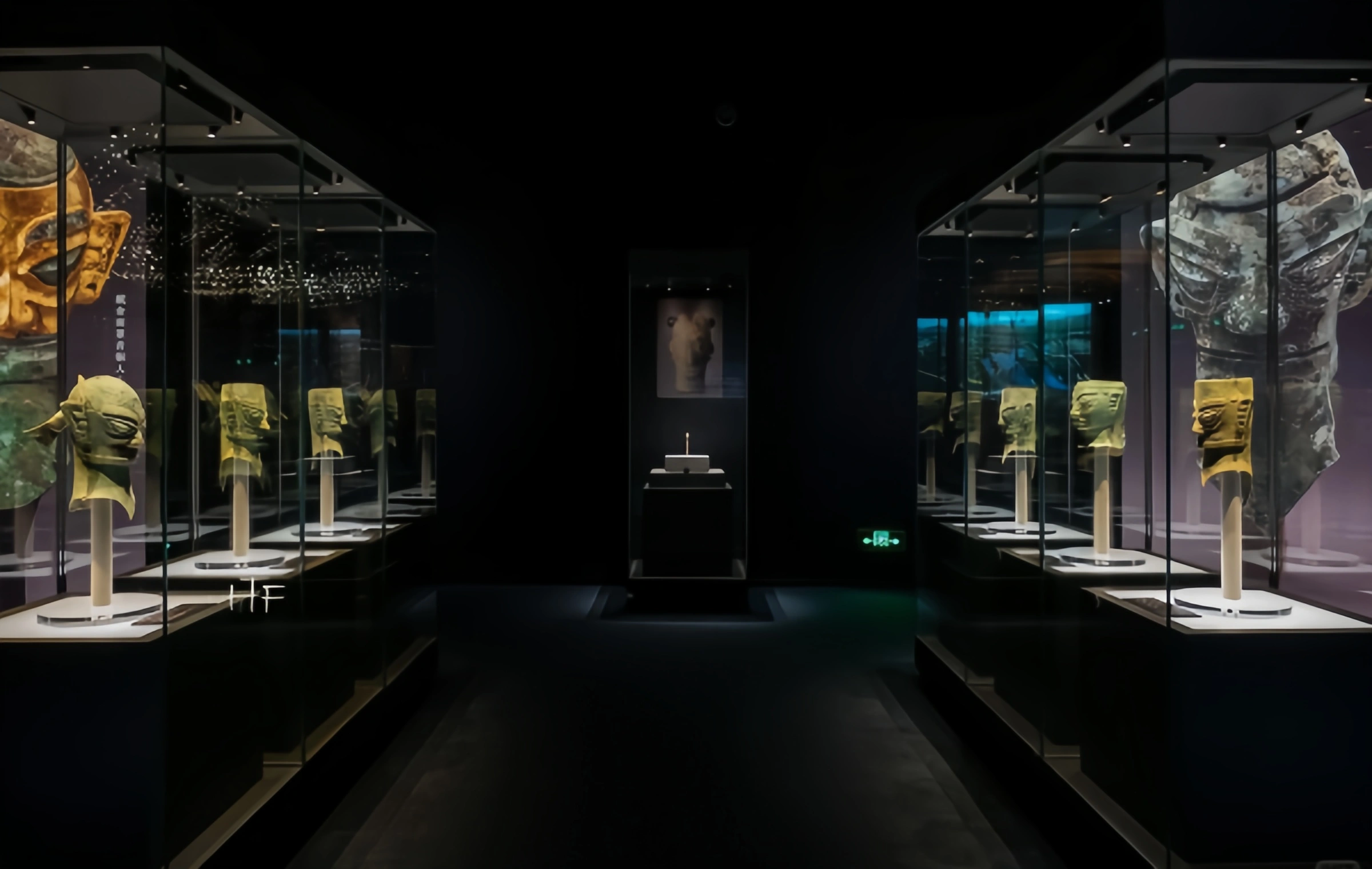
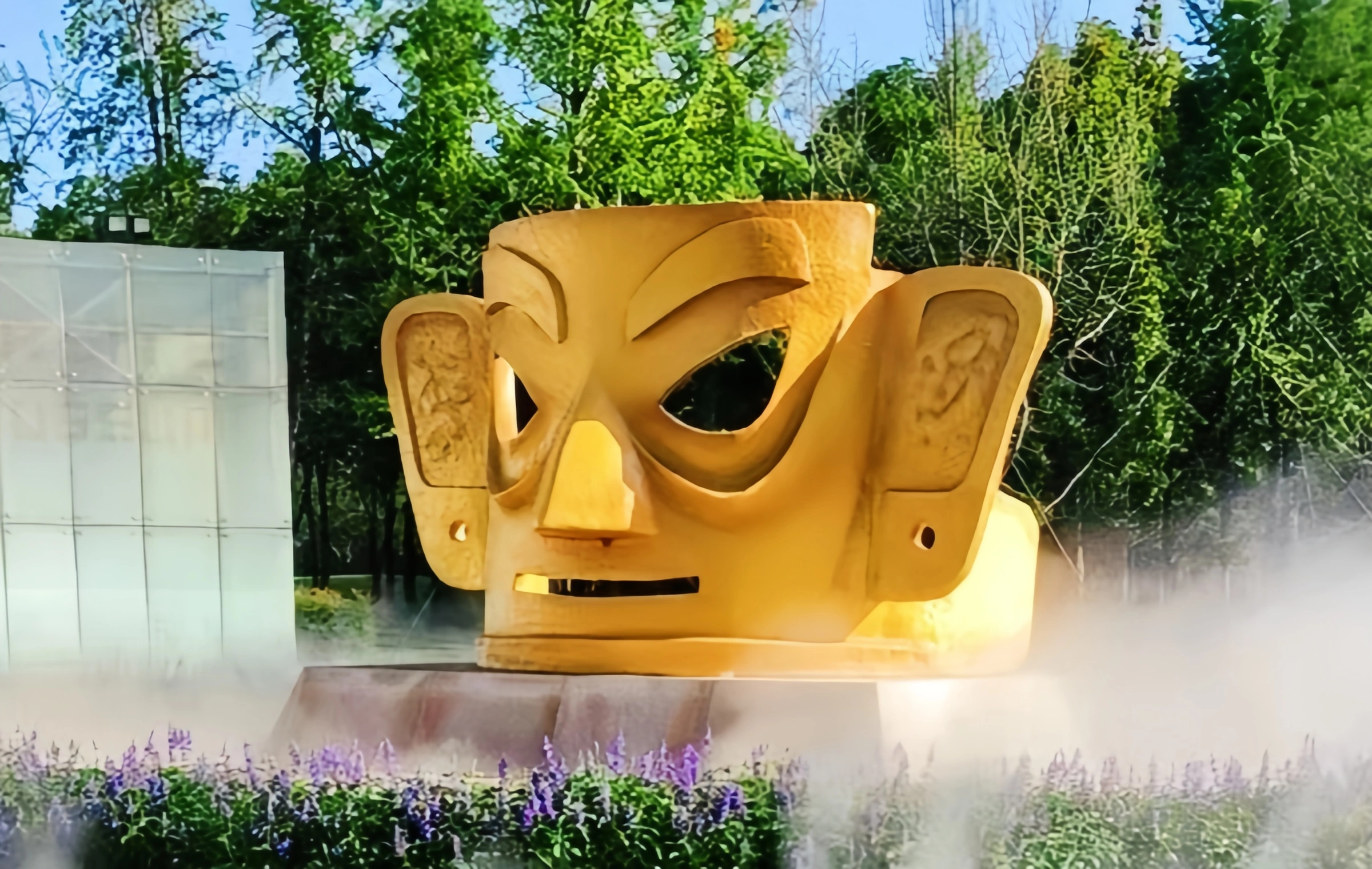
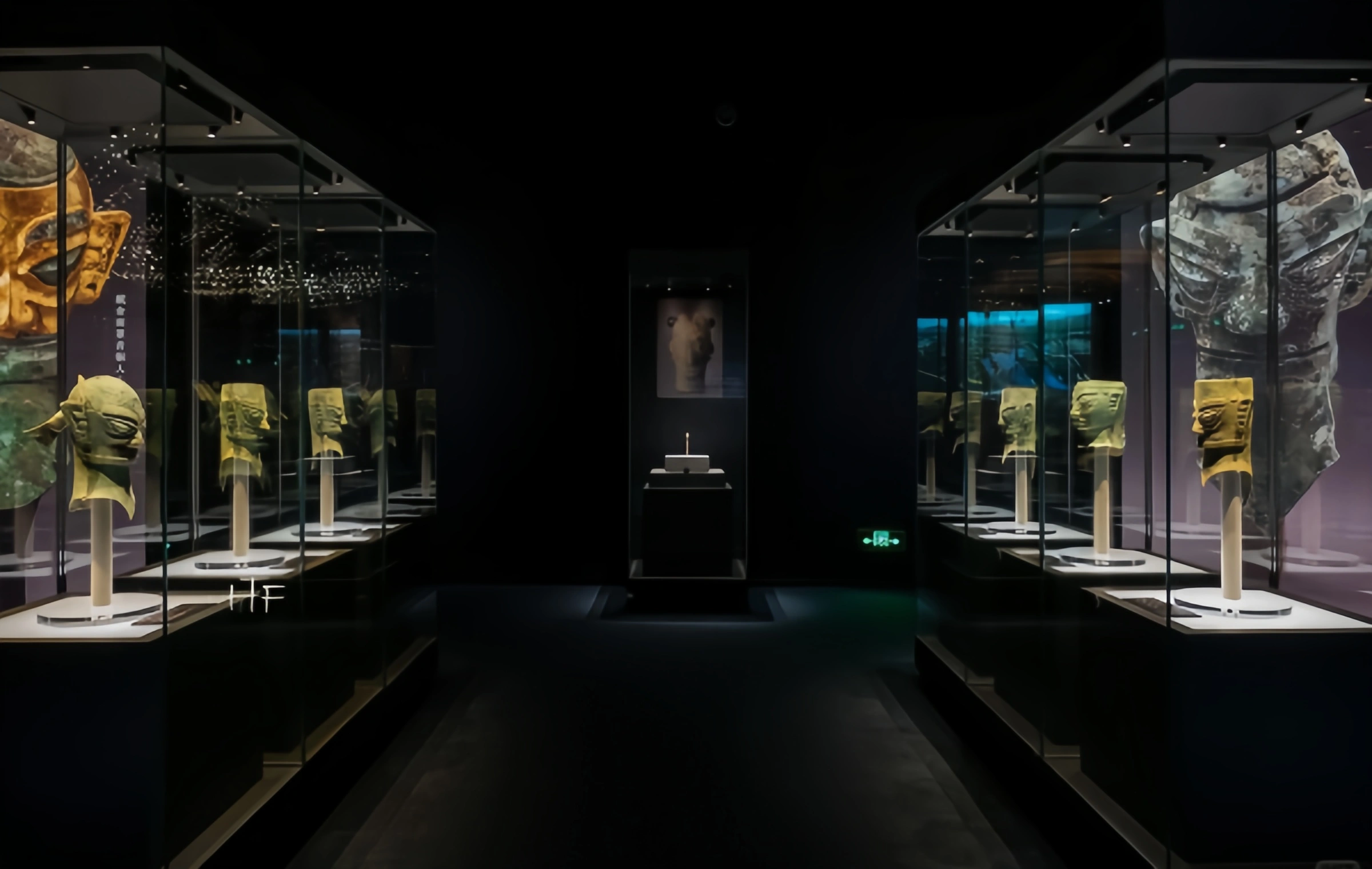
Bronze vertical eye mask: the most iconic cultural relic in Sanxingdui. Its eyes are extremely protruding forward in a cylindrical shape, and its ears are fully extended to both sides, with an exaggerated shape and a surreal sense of mystery. Scholars speculate that this may be the imagination of the ancient Shu ancestors towards the ancestral god "Silkworm Grove" (rumored to have "vertical eyes"), or it may represent their desire for a divine concept of "seeing the world" and possessing extraordinary divine power.
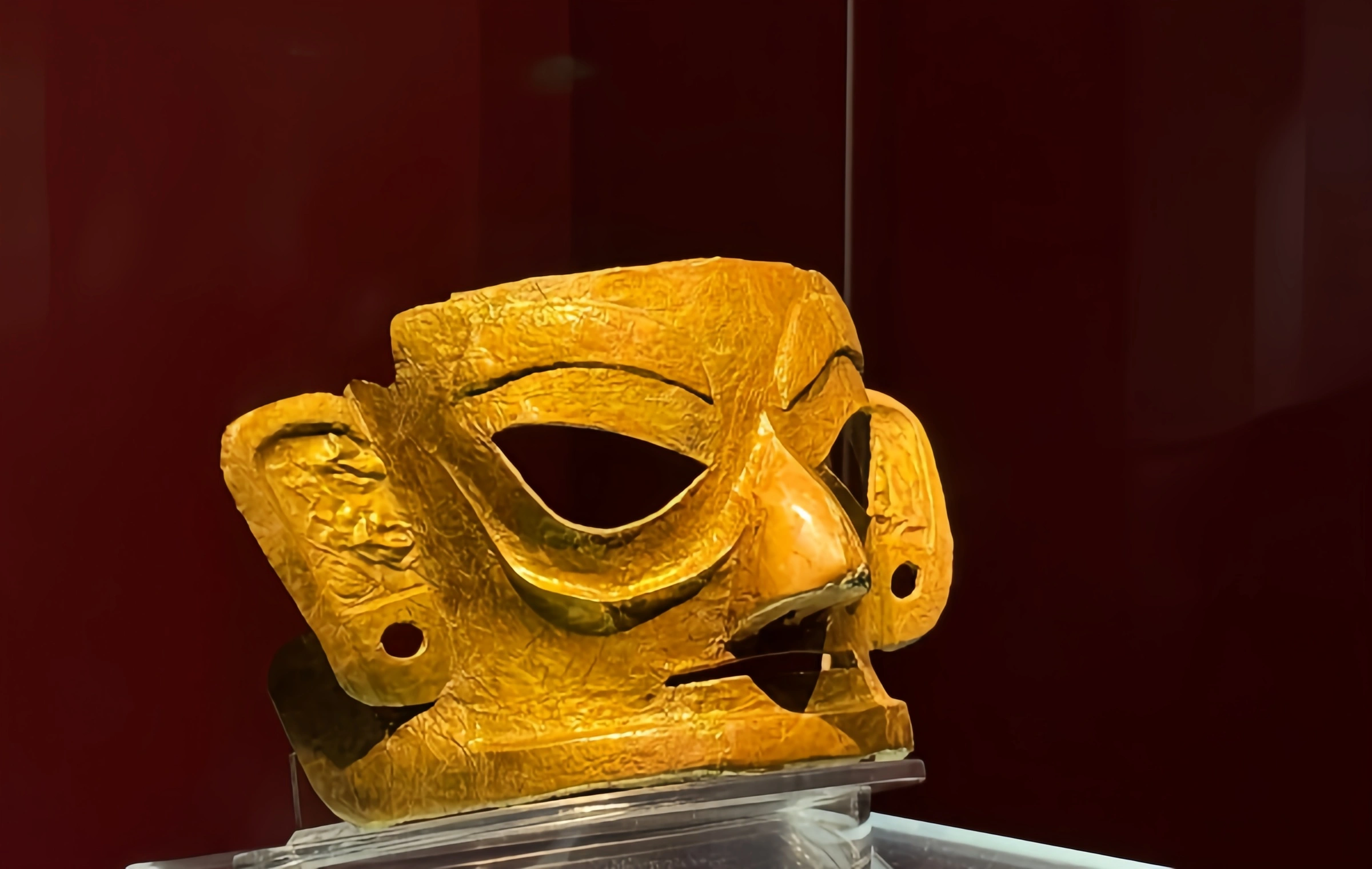
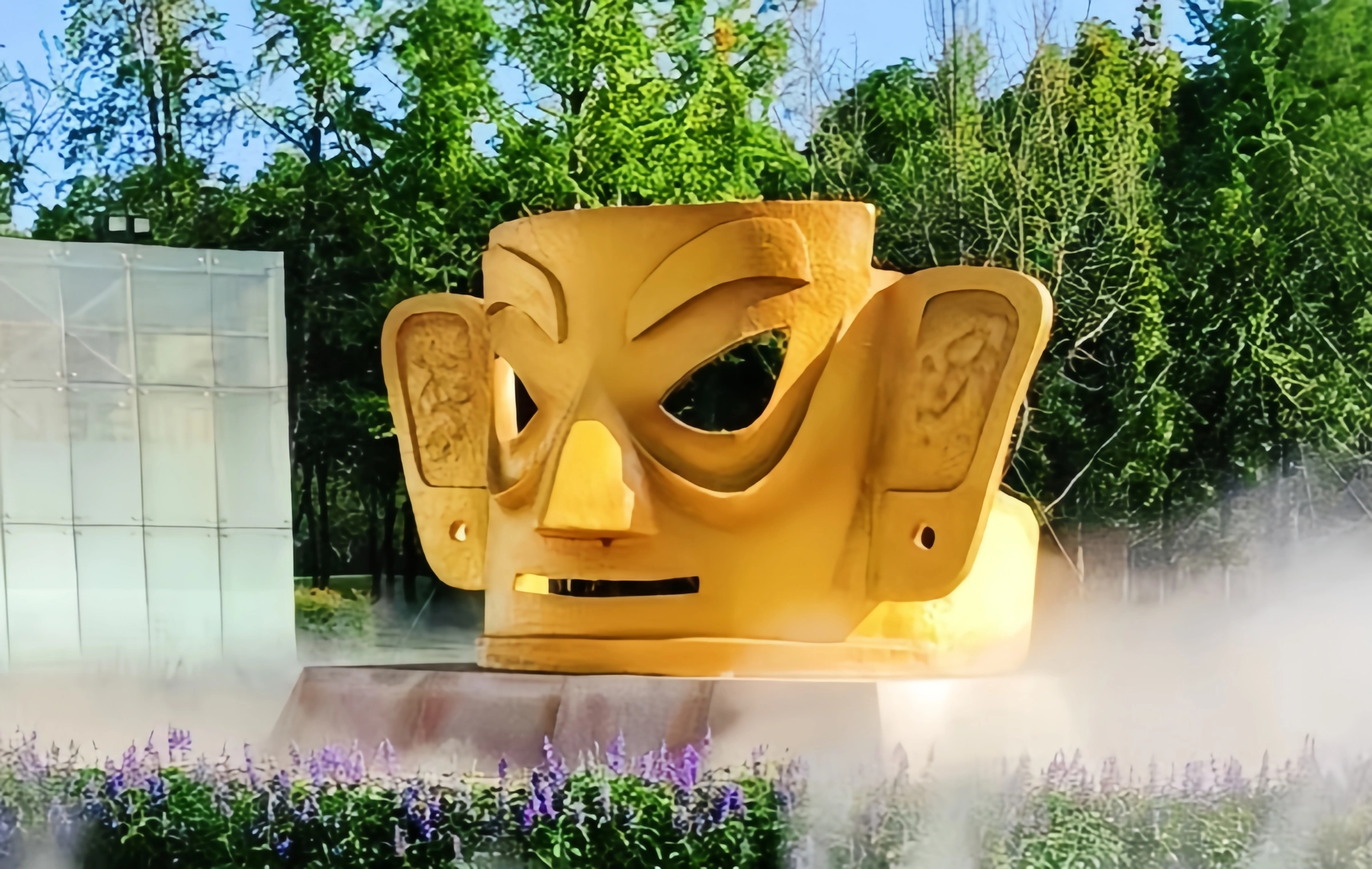
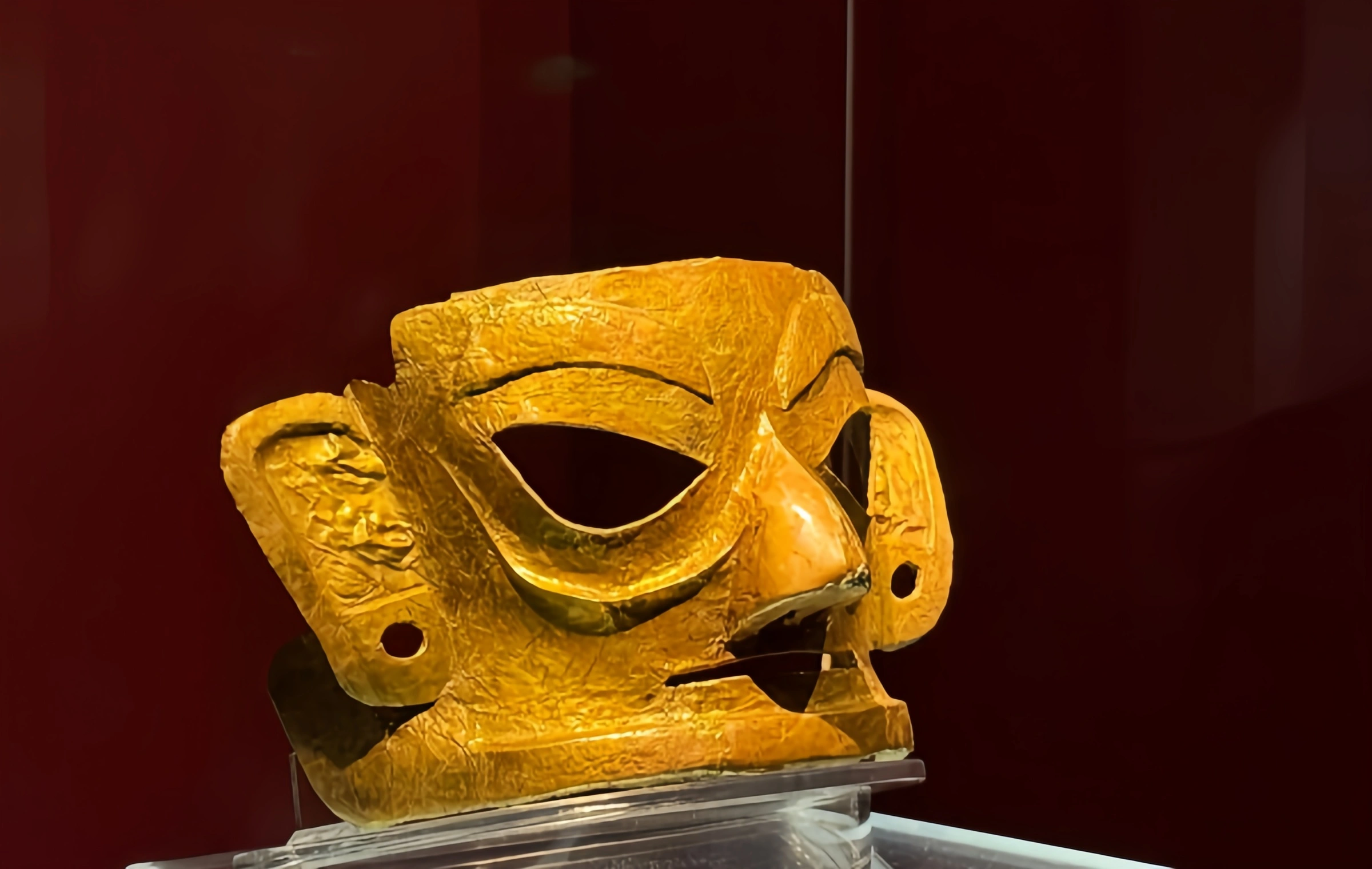
Golden scepter and golden mask: The golden scepter unearthed from the No.1 sacrificial pit is 1.43 meters long, with a wooden stick as the core and a golden leather bag wrapped around it. It is engraved with exquisite patterns of fish, birds, arrows piercing through birds, and heads wearing crowns. It is a dual symbol of royal and divine power. And the golden mask is attached to the bronze portrait, highlighting the wearer's extremely noble identity.
Site Secret Realm - Spatiotemporal Dialogue of Archaeological Sites
In addition to the treasures in the exhibition hall, the unique feature of Sanxingdui Museum lies in its close connection with the archaeological site.
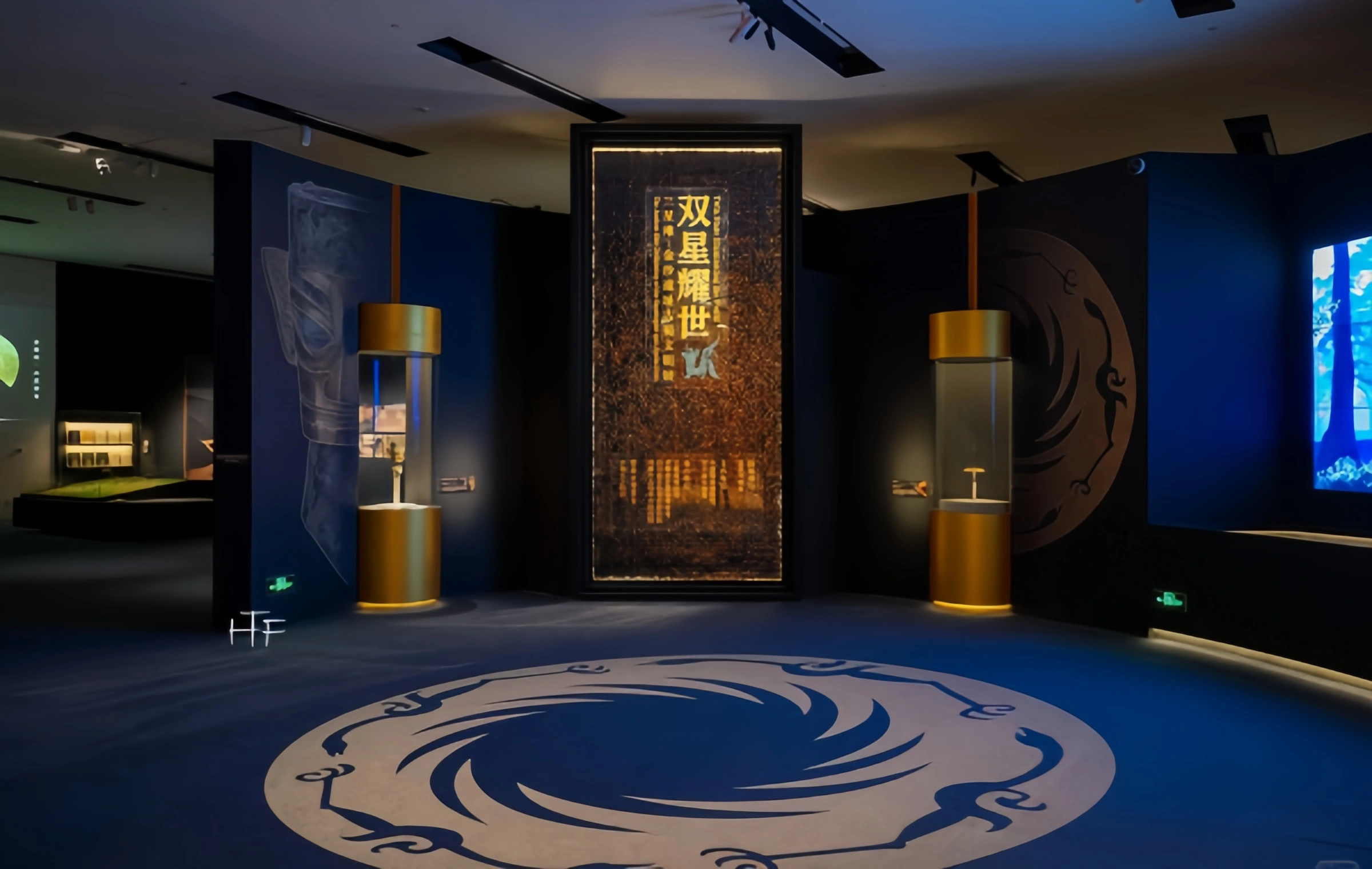
Exhibition Hall: Divided into exhibition halls such as "Century Pursuit of Dreams", "Mighty King Capital", "Heaven, Earth, Man, and God", it systematically displays the discovery process of Sanxingdui, the production and life of ancient Shu Kingdom, urban architecture, as well as the core sacrificial rituals and spiritual beliefs. The new museum (open in 2023) has advanced exhibition methods and a huge number of cultural relics on display, especially the newly discovered sacrificial pit relics (such as turtle shaped grid tools, top snake body portraits, etc.) are exhibited together, providing a more complete picture of civilization.
Cultural Relics Protection and Restoration Hall: This is a "living" exhibition hall. Tourists can see with their own eyes through the glass windows the process of cultural relic protection experts cleaning and restoring the latest unearthed cultural relics on site. This "present continuous tense" archaeological display allows visitors to feel as if they have personally experienced the archaeological site and experienced the magical moment of cultural relics being "reborn" from the soil.
Site area: Next to the museum is the core area of the Sanxingdui site, including the protected exhibition area of the famous No. 1 and No. 2 sacrificial pits, as well as relics such as the Moon Bay city wall and palace area. Walking among them, one can intuitively feel the grand scale and layout of the ancient capital city of Shu.
Photography tips:
Panoramic view of the divine tree: In the "Heavenly, Earthly, and Earthly Gods" hall of the exhibition hall, use a wide-angle lens to take a close-up shot of the bronze divine tree's celestial power, paying attention to avoiding reflections.
Close up of the vertical eye mask: Using display cabinet lighting, the vertical eye mask is photographed from the side, highlighting its peculiar shape of columnar eyes and bronze texture.
Restoration Museum Documentary: In the Cultural Relics Protection Museum, you can take photos of expert work scenes and record the behind the scenes stories of the "resurrection" of cultural relics (please do not use flashlights, keep quiet).