Shanghai Xujiahuiyuan: A century-old symphonic journey of the source of Shanghai culture

 Shanghai Xujiahuiyuan: A century-old symphonic journey of the source of Shanghai culture

Overview: A city's cultural heart and memory landmark
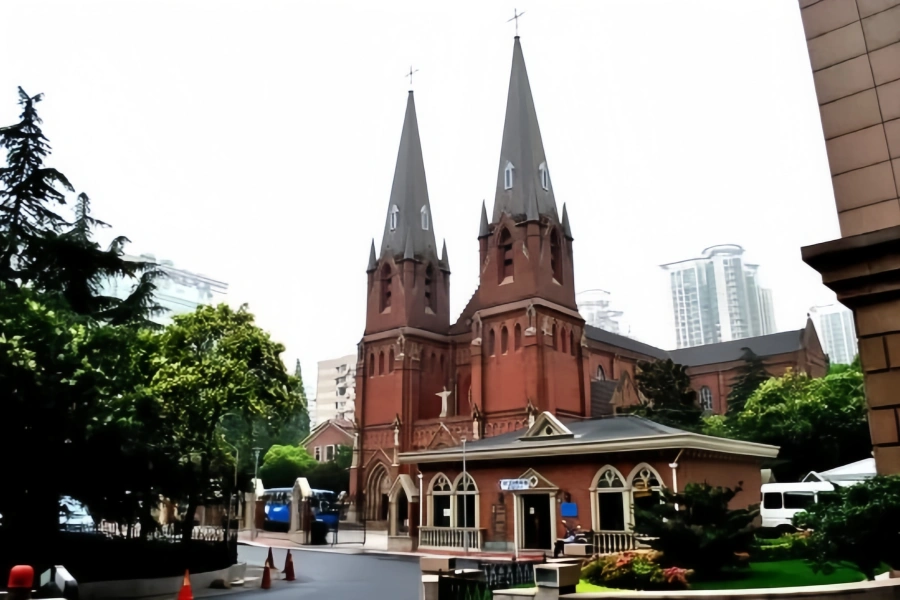
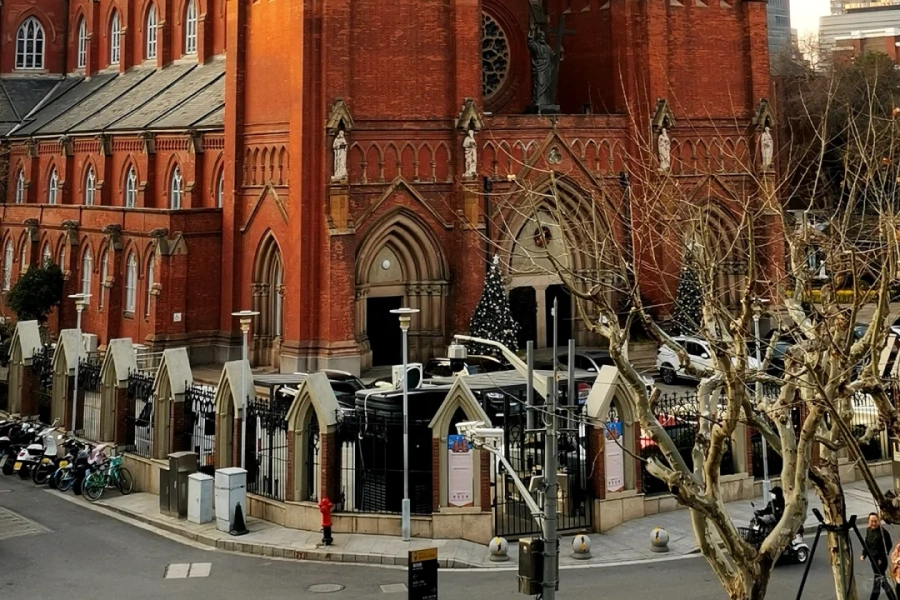
Xujiahuiyuan is an open urban cultural scenic spot with a total area of about 4 square kilometers. With Xujiahui Catholic Church as the visual center, it radiates a diverse historical context including a century of education, a century of films, a century of publishing, and a century of meteorology, forming a national AAAA-level tourist attraction integrating religious buildings, historical sites, cultural and museum venues and urban style.

Quick overview of core highlights
Identity Tags: The Source of Shanghai Culture / Shanghai City Origin / Open-air History Museum
Core experience: Gothic church visit, century-old observatory exploration, Shanghai art appreciation, city walking and cycling
Recommended excursion: half day to 1 day
Core area: No. 166 Puxi Road, Xuhui District, Shanghai (Xujiahui Catholic Church and Visitor Center)

  •  Shanghai Xujiahuiyuan: A century-old symphonic journey of the source of Shanghai culture-1
  •  Shanghai Xujiahuiyuan: A century-old symphonic journey of the source of Shanghai culture-2
  •  Shanghai Xujiahuiyuan: A century-old symphonic journey of the source of Shanghai culture-3
  •  Shanghai Xujiahuiyuan: A century-old symphonic journey of the source of Shanghai culture-4

Origin: From Xu Guangqi's farm to the cultural hub of the Far East

Furong Ancient Town

Literary Star Fire - Xu Guangqi and the birth of "Xu Jiahui"
The name "Xu Jiahui" comes from Xu Guangqi, a giant who illuminated the history of modern Chinese science. At the end of the Ming Dynasty, this Shanghai sage, who was an official of the Ministry of Rites, established a farm here at the confluence of Zhaojiabang and Fahuajing, engaged in agricultural experiments and wrote the "Complete Book of Agricultural Administration". After his death, he was buried here, and his descendants lived to form a village, so it was named "Xujiahui". Xu Guangqi's more far-reaching influence is that he was a pioneer of cultural exchanges between China and the West, and collaborated with the Italian missionary Matteo Ricci to translate "Geometric Originals" and introduce Western scientific knowledge. This seed of civilization laid the groundwork for Xujiahui to become a fertile ground for the fusion of Chinese and Western cultures centuries later.

A hundred years of casting - from Jiangnan water town to the cultural center of the Far East
Since the middle of the 19th century, the fate of Xujiahui has been closely linked to the course of world history, completing a profound cultural transformation:
Modern development (1840s-1900s): The Catholic Jesuits used Shanghai as a base and successively built Catholic churches, monasteries, libraries, museums, observatories and schools (such as Xuhui Public School, now Xuhui Middle School) around Xu Guangqi Cemetery, forming an unprecedented cultural facility group in modern Chinese history.
Cultural prosperity (early 20th century): It was home to China's first museum (Xujiahui Museum), the first observatory (Xujiahui Observatory), one of the first schools in China to be established according to the Western model, and the Tushanwan Press, which became an important source of modern science, education, publishing and art in China.
Urban symbiosis (contemporary to present): Over the years, these precious historical relics have been carefully protected and revitalized. In 2013, the "Xujiahuiyuan" scenic spot was officially named and opened, connecting the scattered treasures in series and telling the world the "source" story of Shanghai's embrace of all rivers and the pursuit of excellence.

> In-depth understanding: Explore more landmarks of modern Chinese cultural integration >> [Shanghai Bund International Architecture Expo Group]| [Guangzhou Shamian Island]

A must-see spectacle: the dialogue between sacred buildings and humanistic temples

Furong Ancient Town Furong Ancient Town Furong Ancient Town Furong Ancient Town

Architectural wonders – a frozen epic and a sky of faith
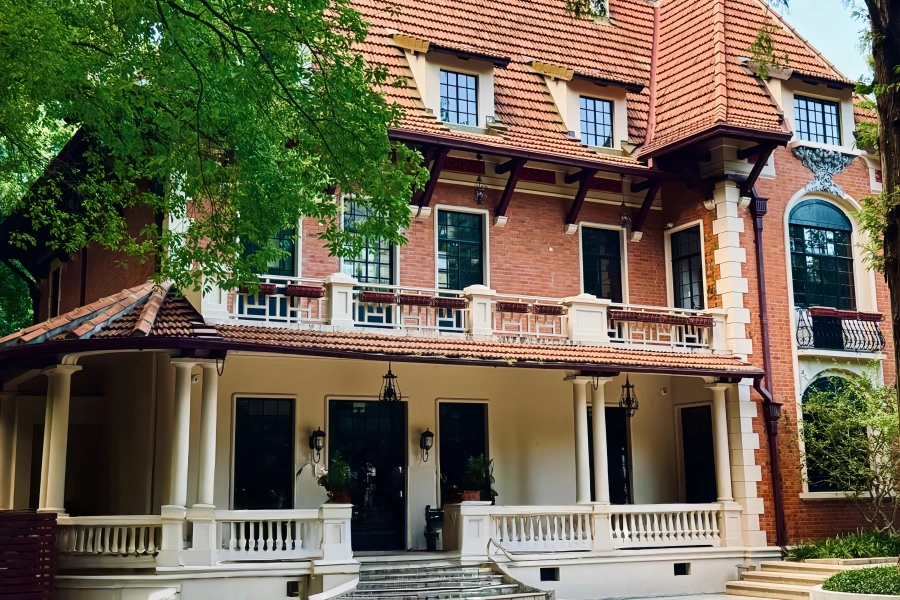
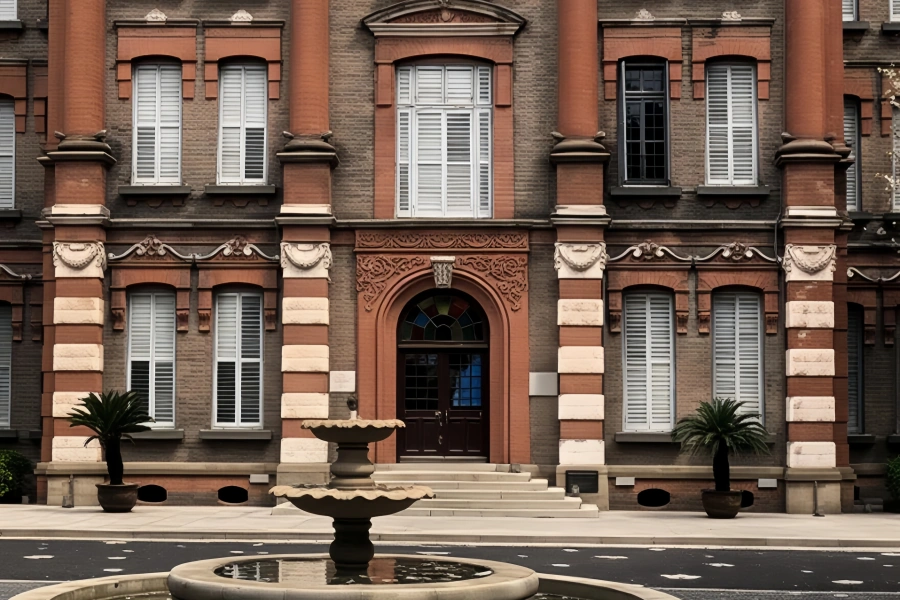
The building of Xujiahuiyuan is a three-dimensional history book written in masonry, combining the sacredness of Gothic, the elegance of Art Deco and the afterglow of Jiangnan.

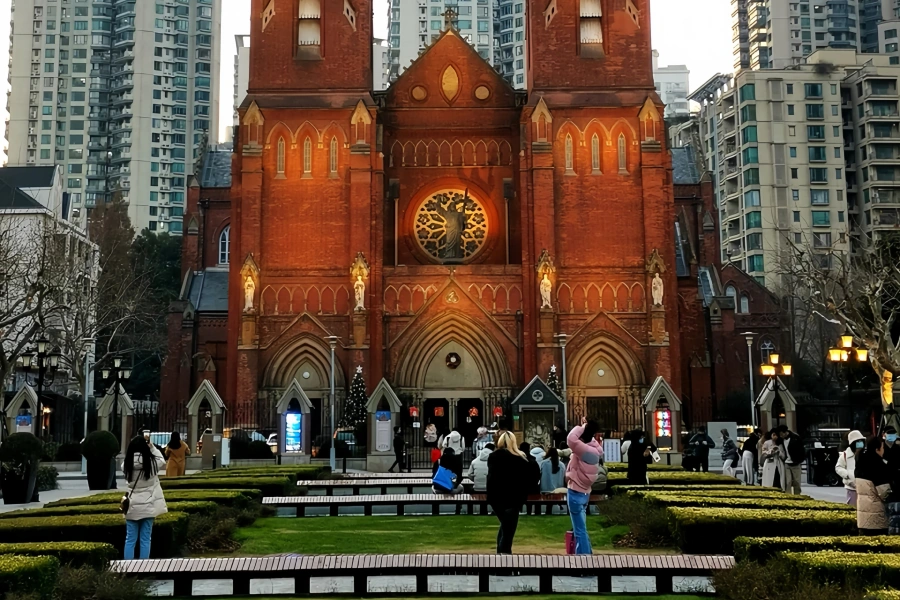
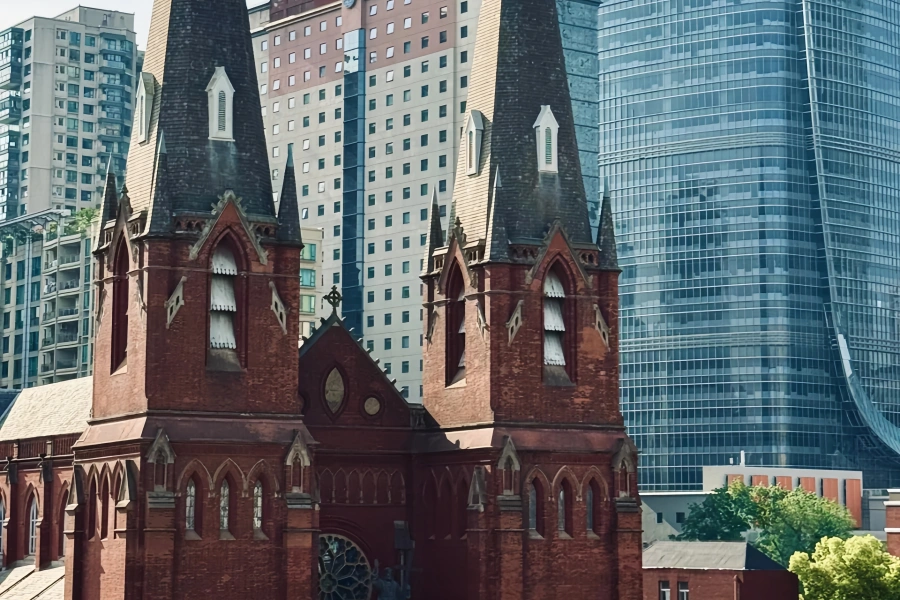
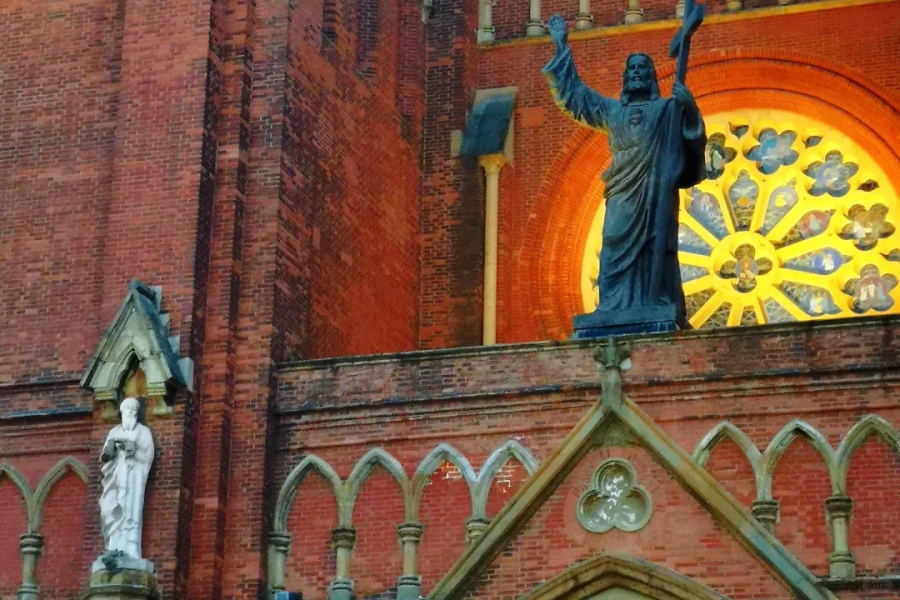
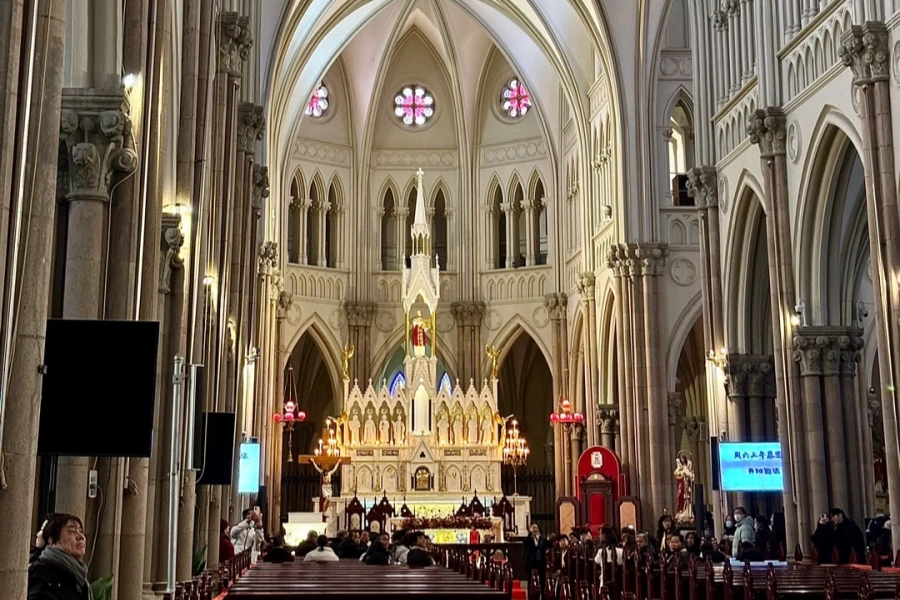
Xujiahui Catholic Church: As one of the famous Catholic churches in China, its twin-tower Gothic architecture soars into the sky. Inside the church, the skeleton structure composed of beams and pointed tickets is full of upward momentum, which is shocking. 64 columns carved from Jinshan stone, exquisite stained glass windows, and a huge statue of the Virgin made custom-made from Paris together create a solemn and gorgeous temple of religious art. It is the most important center of Catholic activity in Shanghai, and its bell tower has long been the commanding height of Shanghai.
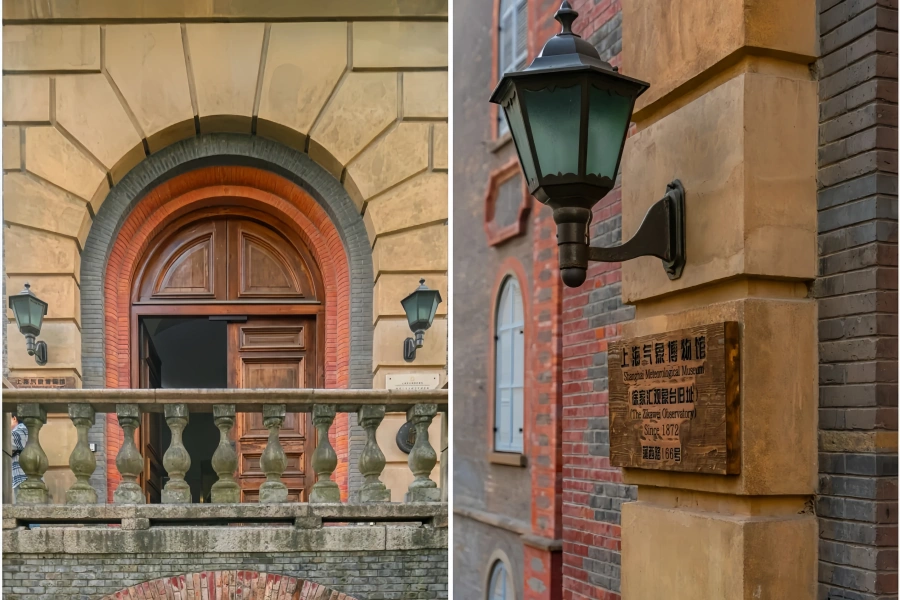
Former site of Xujiahui Observatory (Shanghai Meteorological Museum): This gray three-story building built in 1901 has classic Baroque decorations. It was once the first meteorological station in the Far East, and its "Centennial Meteorological Exhibition" has witnessed the development of modern Chinese meteorological science. The building's beautifully curved windows and roof deck were once important observation points.
Shanghai Film Museum (formerly Shanghai Film Studio Building): This modernist-style building on Caoxi North Road is itself an icon of the history of Shanghai's film industry. Through cultural relics, scene reproduction and interactive experience, the museum vividly presents the century-old glory of Chinese films, from Zhou Xuan's "Angel on the Road" to modern blockbusters, which can be called "the place where dreams begin".

The Hall of Humanities - a galaxy of knowledge and art flowing
The cultural accumulation here is as deep as the sea, lighting up countless sparks of wisdom and art.

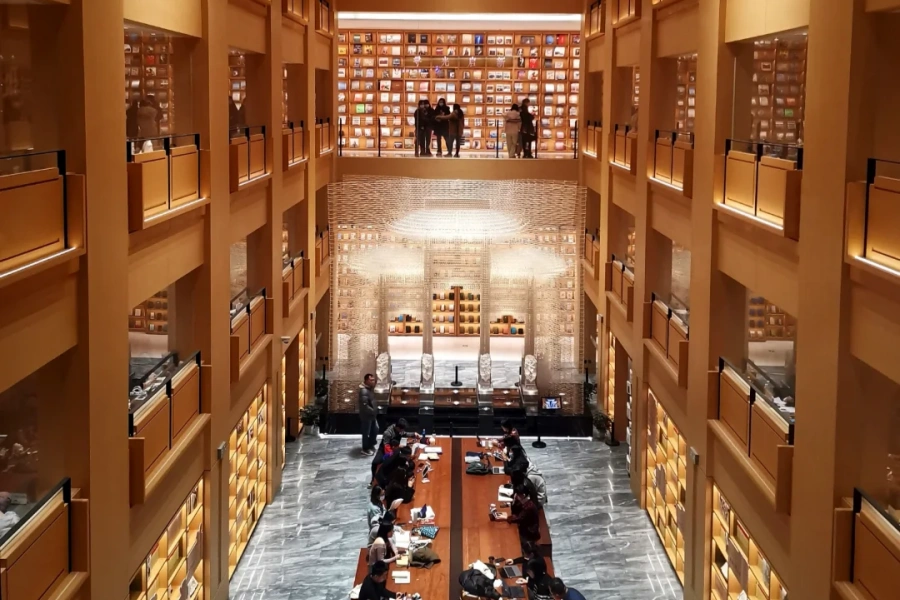
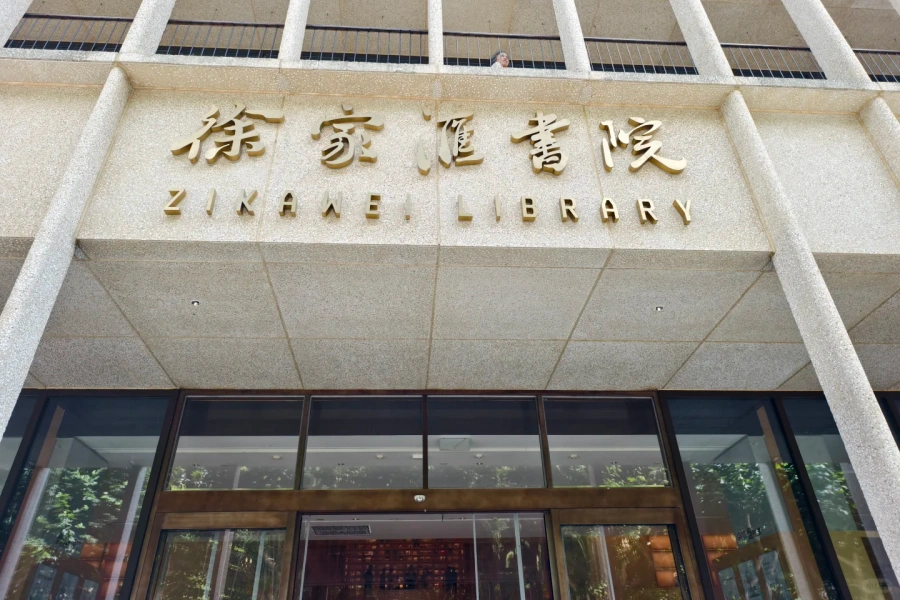
Xujiahui Library & Shanghai Library Xujiahui Building: Founded in 1847, Xujiahui Library is the earliest existing modern library in Shanghai. Its unique combination of Chinese and Western book collection structure (the lower Chinese library is modeled after Ningbo Tianyi Pavilion, and the upper Western library is the style of the Vatican Library) itself is a symbol of cultural exchange. It treasures a large number of ancient Chinese and Western books, which is a treasure trove for studying modern Chinese and Western cultural exchanges.
Tushanwan Museum: The location was once the "cradle of Chinese Western painting". At the end of the Qing Dynasty, the Tushanwan Orphan Craft Institute was founded here, teaching painting, sculpture, printing, woodworking and other skills, and cultivating a generation of art masters such as Zhang Chongren. China's earliest stained glass technology and modern sculpture technology originated here. The museum displays a large number of exquisite Tushanwan handicrafts, telling the legend of this "localization of imported art".
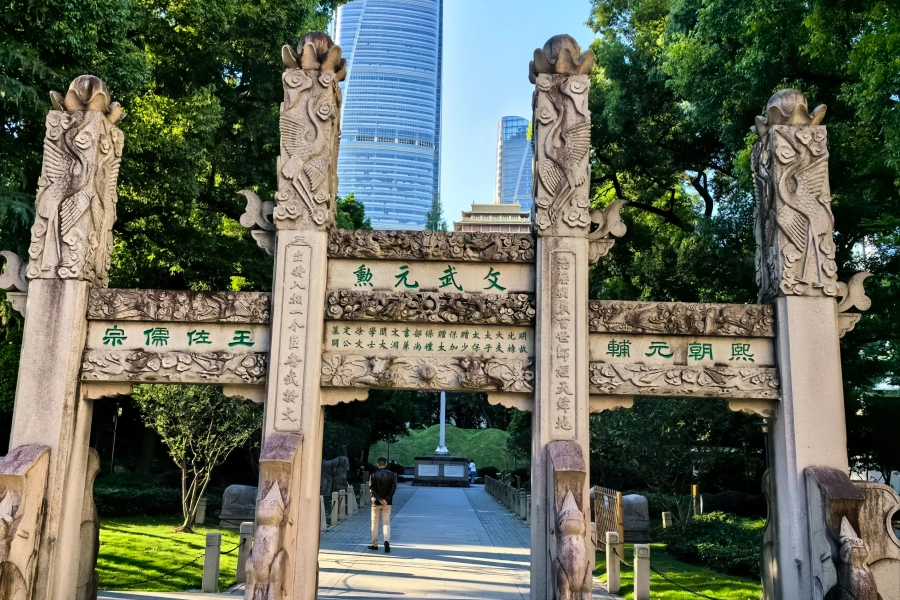
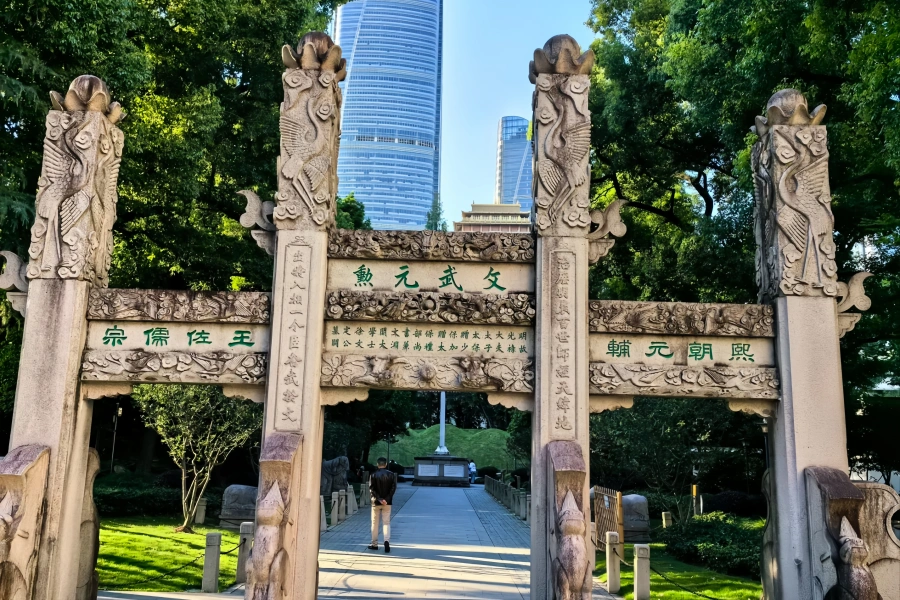
Xu Guangqi Memorial Hall & Guangqi Park: In the quiet Guangqi Park, this "first person in the exchange of Chinese and Western cultures" rests peacefully. With the theme of "Xu Guangqi and Xu Jiahui", the memorial hall comprehensively displays his scientific achievements, patriotic spirit and far-reaching impact on Shanghai's development through documents, objects and models. Stopping here, you can feel the true connection between history and the present.

Photography tips:
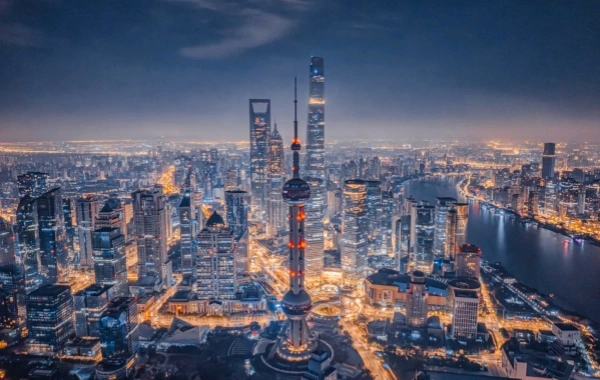
> The best panoramic camera is located at the Xu Jiahui Flyover or adjacent high-rise shopping malls, where you can capture the classic dialogue between the Catholic Church's twin towers and modern skyscrapers (such as Hang Lung Plaza).
> Respect for religious liturgy when shooting the interior of the cathedral and use a wide-angle lens to capture the depth of the nave when permitted, with light shining through the stained glass for the best effect.
> The gray walls and arched windows of the former observatory site are very textured in the sun, suitable for photographing architectural details and humanistic documentaries.
> Wutong Street and old bungalows in Hengfu Style Area (adjacent area) are excellent backgrounds for taking Shanghai-style photos.

Core experience: Immersive Shanghai-style cultural trace guide

Furong Ancient Town Furong Ancient Town Furong Ancient Town

Five must-do things to unlock the full source journey
1. Look up at the dome of faith
    Core: Make an appointment to enter Xujiahui Catholic Church and feel the shock of century-old buildings and the artistic charm of stained glass in silence.
    Tips: Dress neatly, keep quiet, and follow church visiting regulations.
2. Explore a scientific gaze
    Experience: Visit the Shanghai Meteorological Museum (the former site of the observatory), touch the starting point of modern Chinese meteorological science in ancient instruments and archives, and feel how time is accurately measured here.
3. Relive an old silver dream
    Location: Walk into the Shanghai Film Museum, from "Goddess" Ruan Lingyu to the animation "Havoc in the Heavenly Palace", immerse yourself in the golden age of Chinese cinema, and even create film sound in Foley Studio.
4. Take an in-depth reading
    Experience: In the Xujiahui Library or the Xujiahui Library of the Shanghai Library, even if you just feel its historical atmosphere or consult the special exhibitions, you can experience the depth of knowledge gathered and passed on here.
5. Take a stroll through a corridor of time and space
    Route: Starting from Guangqi Park, passing through the library and convent, to the Catholic Church and the Observatory, and finally arriving at the former site of Xuhui Public School. This walking route itself is a historical crossing from the end of the Ming Dynasty to the Republic of China.

Suggested tour routes
Half-Day "Core Essence" Tour (Efficient Cultural Tour):
Meet at Xujiahuiyuan Visitor Center at 9:30 a.m. → Visit Xujiahui Catholic Church (about 40 minutes) → Walk to the Shanghai Meteorological Museum (the former site of the observatory, reservation required, about 1 hour) → Stroll to Guangqi Park and Xu Guangqi Memorial Hall (about 40 minutes) → Choose a time-honored or specialty restaurant in the Xujiahui business district to end the trip.
IntoTravelChina Tips: This itinerary focuses on core historical landmarks, so you need to confirm the opening hours and reservation policies of each venue in advance. We can make a reservation for you to ensure a smooth trip.

One-day "Panoramic Immersion" tour (highly recommended):
Morning: Same as above, complete the visit to core religious and scientific historical sites.
Noon: Experience local cuisine or Shanghai-style creative cuisine in the Xujiahui business district.
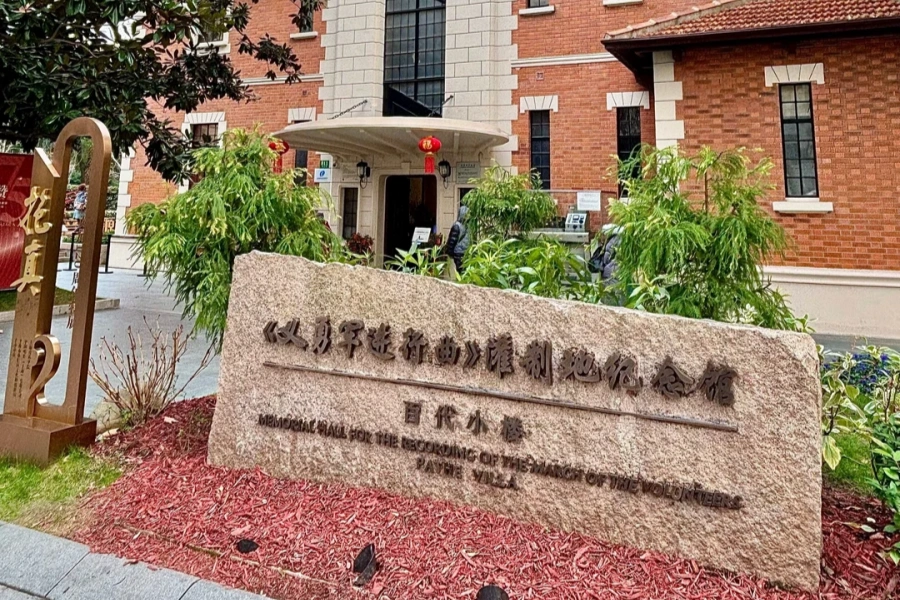
Afternoon: Visit the Shanghai Film Museum (about 1.5-2 hours) → Go to the Tushanwan Museum to learn about the history of modern art education (about 1 hour)→ If you have free time, you can visit Baidai Xiaolou (the place where "March of the Volunteers" was first recorded) or stroll to the adjacent Hengshan Road-Fuxing Road Historical and Cultural Area to feel the atmosphere of Shanghai-style life under the sycamore trees.
IntoTravelChina Advantages: We can design the most reasonable walking and short-distance transportation connection for you, provide in-depth explanations, and flexibly adjust the focus of your visit according to your interests (such as architecture, film, religious history), so that your source search journey is both comprehensive and personalized.

> Professional guides: IntoTravelChina can provide you with a private customized itinerary, including an exclusive guide, transportation and activity arrangements, so that you can have a worry-free trip. >> [Consult Customization Now]

Complete travel guide: transportation, seasons and tips

Furong Ancient Town Furong Ancient Town Furong Ancient Town

How to Get There: Seamless connectivity in the heart of the city
Xujiahuiyuan is located in the core area of Shanghai, with a well-connected transportation network.
Subway (most recommended): Take Shanghai Metro Lines 1, 9 and 11 to "Xujiahui" station, and you can easily reach all points in the scenic spot from multiple exits. Travel Tips: Start your journey with the "Xujiahuiyuan" guide map inside the subway station.
By car: Navigate to "Xujiahui Catholic Church" or "Xujiahuiyuan Visitor Center". Travel tip: Parking lots are available in nearby shopping malls (such as Hang Lung Plaza, Metro City), but parking spaces are tight on weekends, so it is recommended to give preference to the subway.
Surrounding connection: It can be easily connected to Wukang Road-Anfu Road block, Xuhui Binjiang, Shanghai Jiao Tong University Xuhui Campus, etc., which is very convenient for cycling or short-distance taxis.

Best time to visit
Xujiahuiyuan is suitable for all seasons and is an all-weather urban cultural attraction, but the climate is the most comfortable in spring and autumn (March-May, September to November), and the outdoor walking experience is the best.
Spring and autumn golden season: The temperature is suitable and the breeze is warm, which is very suitable for strolling between Guangqi Park and historical streets. In autumn, the leaves of the sycamore are yellow, and the scenery is particularly romantic.
Summer: Shanghai is hot and rainy in summer, but all major venues are indoors, making it an excellent place to escape the heat and study. It is recommended to do outdoor activities in the morning and evening, and visit the museum at noon.
Winter: There are relatively few tourists, allowing for a quieter experience of the majesty of the historic buildings. During the Christmas season, the Catholic Church and the surrounding area have a festive atmosphere and a unique flavor.

Visiting Tips and Tricks
Nature of the scenic spot: open block, no large tickets. However, major venues such as Xujiahui Catholic Church, Meteorological Museum, and Film Museum all need to be reserved or purchased separately, and there are often restrictions on passenger flow, so be sure to make an appointment through official channels in advance.
Opening hours: The opening hours of each venue vary, usually from Tuesday to Sunday around 9:00-16:30 (closed on Mondays are common). Be sure to check each one before traveling.
Tour duration: It takes 3-4 hours to enjoy the flowers; It takes 6-8 hours or more to visit the major venues in depth.
Catering: Xujiahui business district is one of the top business districts in Shanghai, from Chinese time-honored brands, local restaurants to international cuisine, and dining is extremely convenient.

IntoTravelChina Service Suggestions:
In view of the scattered and complex reservation characteristics of Xujiahuiyuan venues, we provide one-stop reservation management services to lock in the visiting places of all your favorite venues in advance, and reasonably arrange the visit time to avoid rushing. At the same time, our experienced cultural guides can connect the scattered pearls into a chain, revealing the stories and historical logic behind the buildings. >> [Click to contact IntoTravelChina Travel Consultant]

Extended journey: connecting the essence of Shanghai's Chinese and Western cultures

Furong Ancient Town

Xujia Huiyuan is a wonderful prologue to reading the big book of Shanghai, which can extend a number of cultural paths to understand the fabric of the city.

Shanghai style one-day vertical line: Xujiahuiyuan (source of culture) → Wukang Road - Anfu Road (international architecture and trendy block) → Jing'an Temple - Zhangyuan (modern urban civilization). This route is the perfect crossing from historical sources to modern urban life.
In-depth two-day tour of Shanghai's modern history:
    Day 1: Xujiahuiyuan (Catholic and Science)→ Shanghai Jiao Tong University Xuhui Campus (Centennial Institution)→ Longhua Martyrs Cemetery (Revolutionary Memorial).
Day 2: Shanghai Bund Historical Complex (Finance and Trade) → Shanghai Museum of History (General History of the City) → Industrial relics along the Suzhou River. This is a multi-dimensional exploration journey of urban development.
Art and Riverside Leisure Line: Connecting the Tushanwan Museum and Film Museum in Xujiahuiyuan with the West Bund Art Museum, the Long Museum (West Bund) and the Xuhui Riverside Trail, you can experience the diversity of Shanghai from traditional art to contemporary vision, from historical space to open waterfront. >>Contact us to customize the above related itinerary

Join hands with IntoTravelChina to start your own journey to find your roots in the city

Furong Ancient Town

The story of Xujiahuiyuan is the starting point of Shanghai's inclusive spirit, and is a grand narrative about civilizational dialogue, knowledge inheritance and urban growth. IntoTravelChina focuses on creating a deep, warm, and worry-free Chinese cultural travel experience. Our travel experts can help you:
Tailor-made itinerary: Design the perfect itinerary to include Xujiahuiyuan and Shanghai's cultural attractions based on your interests in architecture, history, art, or religion.
One-stop service: Get reservations for all scattered venues, professional explanation services, and comfortable city transportation connections.
Exclusive experience: arrange in-depth explanations of venues during closed hours, exchanges with local cultural scholars, and special theme walking routes.

Let your trip to Xujiahuiyuan not only be a check-in, but also an in-depth dialogue with the soul of Shanghai.
> Start planning your journey today
> Welcome to contact our professional travel consultants, we will provide you with exclusive itinerary plans and quotations within 24 hours. >> [Click to contact IntoTravelChina travel consultants]

Recommended Tours

Top 3 tours chosen by most customers to explore in the best way. Check the detailed itinerary, or tailor your own trip now with us.

Zhangjiajie Tour
Beijing Guilin Shanghai 9-Day Tour

9 Days  |  Beijing-Guilin-Shanghai

Zhangjiajie Tour
9-Day Shanghai-Zhangjiajie-Guangzhou Adventure

9 Days  |  Shanghai - Zhangjiajie - Guangzhou

Zhangjiajie Tour
The Imperial Triad: Shanghai, Luoyang & Beijing

8 Days  |  Shanghai - Luoyang - Beijing

What Our Clients Say?

Based on 10,000+ traveler reviews

...
Daniel Dorothea
Canada
Reviewed on April 29,2025
Shopping on Nanjing Road in Shanghai was just amazing! It's truly the "First Commercial Street of China", where tradition and modernity blend perfectly. You can find awesome souvenirs and experience the trendy vibes in cool stores. The neon lights at night are just spectacular, shining bright like Times Square in New York. The food here is incredible too. I had a feast for my taste buds. Shanghai, I'll definitely be back!
Destination(s): Shanghai
Date of Experience: May 08,2024
...
...
Elvis Eva
Canada
Reviewed on June 20,2025
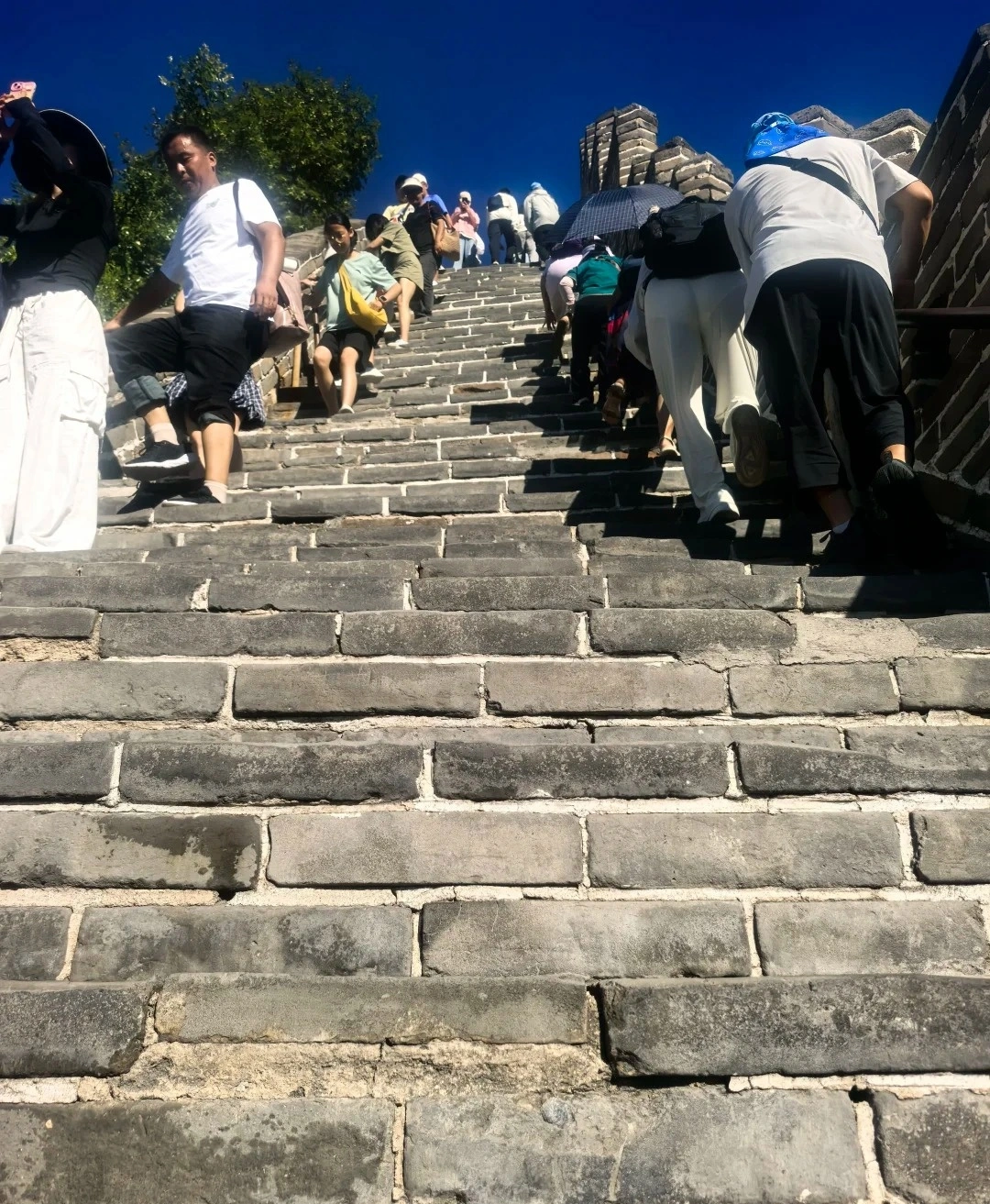
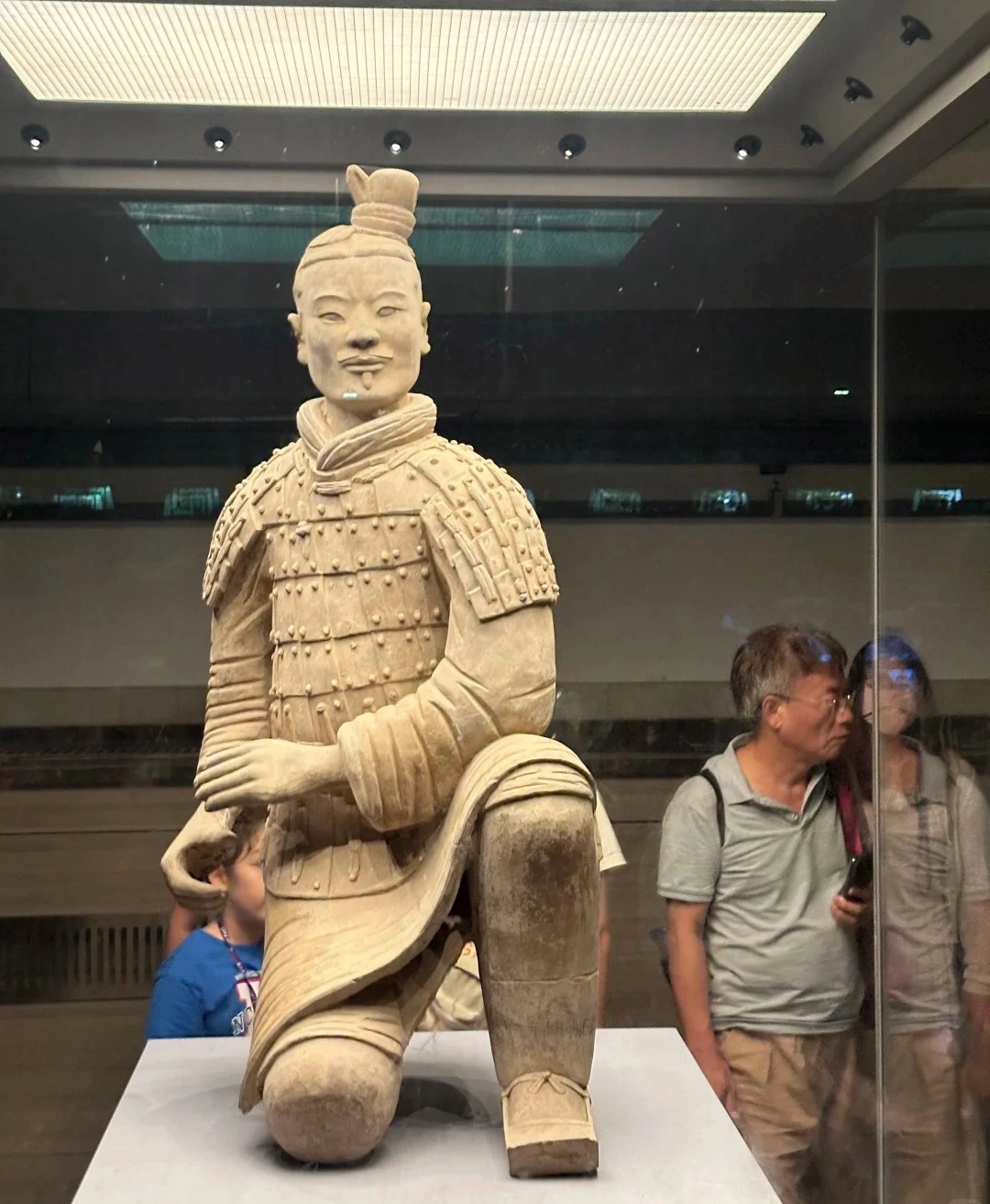
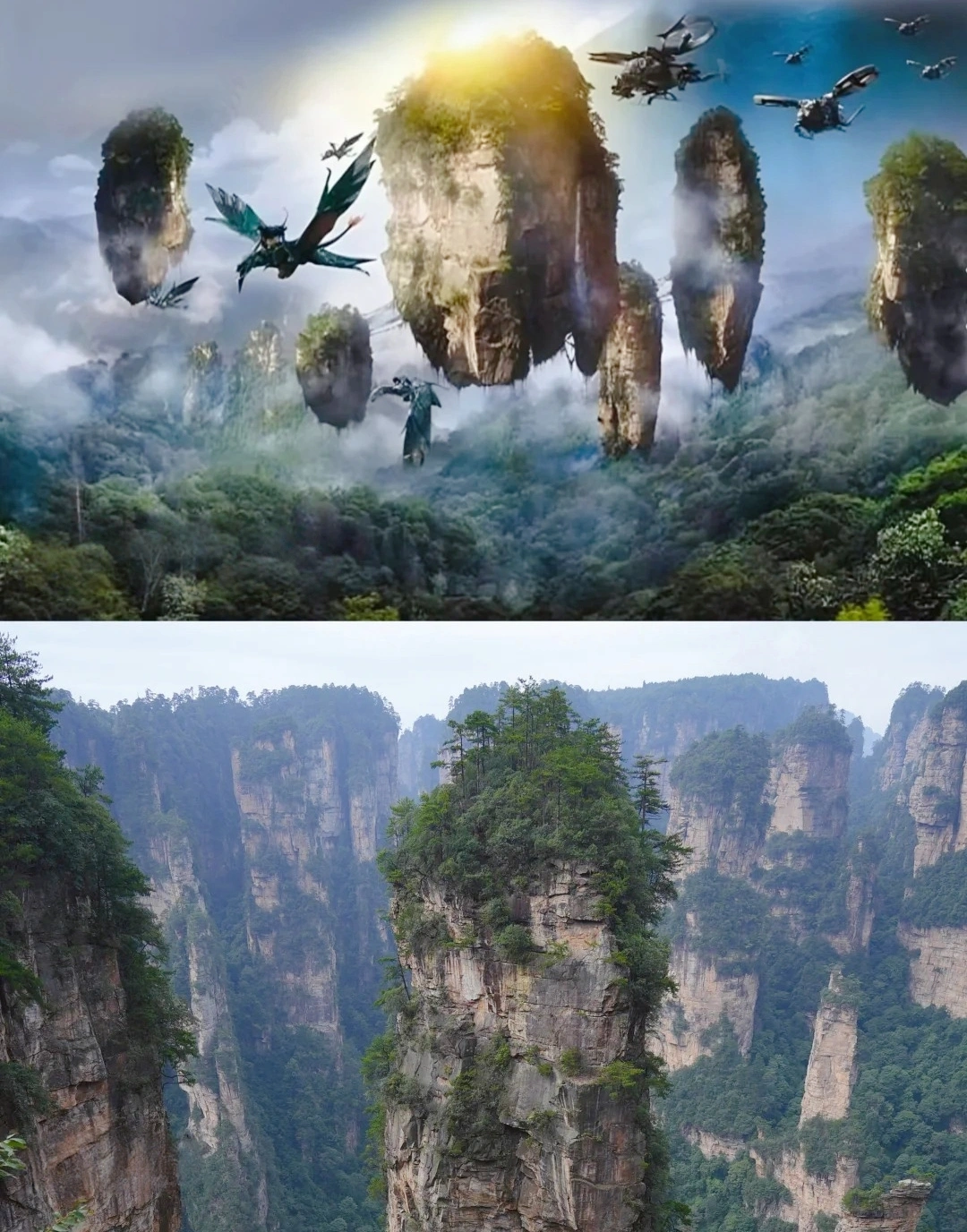
As a solo traveler from Canada, I was nervous about navigating China alone—but this 11-day tour was PERFECT! From hiking the Great Wall at sunrise (Day 3) to gasping at the Terracotta Army (Day 5), every day delivered ‘pinch-me’ moments. The real showstopper? Zhangjiajie’s Avatar Mountains (Day 7)! Our guide made the stone pillars come alive with stories. Massive thanks for handling all logistics—bullet train tickets, entry passes, car! And the 4-star hotels surprised me.
Destination(s): Beijing Xian Zhangjiajie Shanghai
Date of Experience: June 02,2025
... ... ...
...
Simon
America
Reviewed on May 29,2025
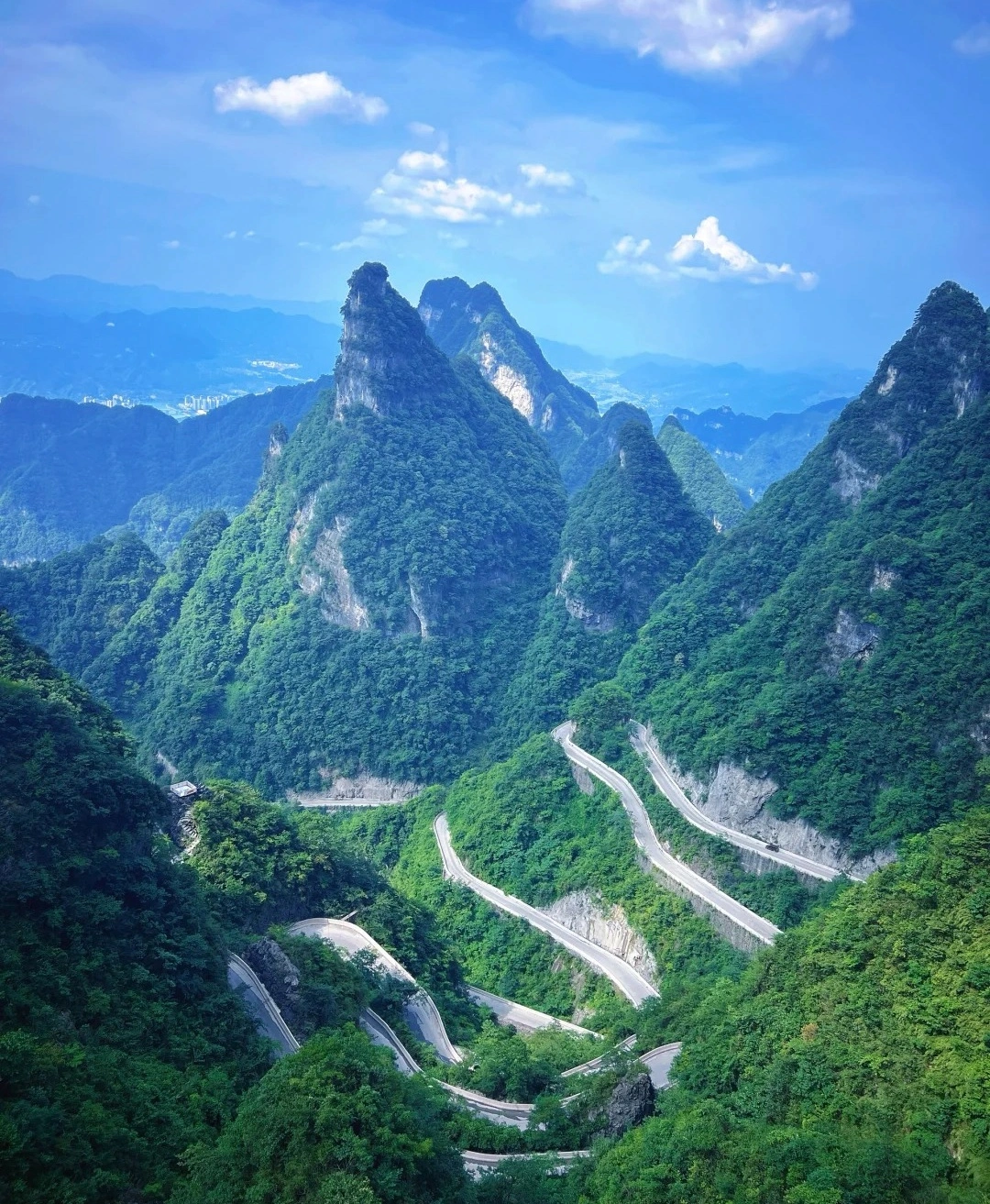
Our 2-day Zhangjiajie tour was beyond spectacular! As someone who’s visited Beijing and Shanghai for work, this trip revealed China’s wild, magical heart. Day 1 in Zhangjiajie National Forest Park felt like stepping onto Pandora—I’m a huge Avatar fan, and Yuanjiajie’s floating peaks left me breathless. The misty pillars and lush valleys like pure movie magic! Then came Fenghuang Ancient Town, we eat dinner beside the thundering waterfall. It seems Unreal! The night views of stilt houses glowing over the river were straight from a fairy tale. For fellow Avatar lovers and adventure seekers: Don’t miss this bucket-list experience! 10/10 would return. A Well-Traveled Film Buff, May 2025
Destination(s): Zhangjiajie
Date of Experience: May 08,2025
... ...

Ask a Question

Question Summary (100 characters)
Details (optional) (2,000 characters)
Name
Country
Email