Humanistic craftsmanship: The poetics of frozen music and space
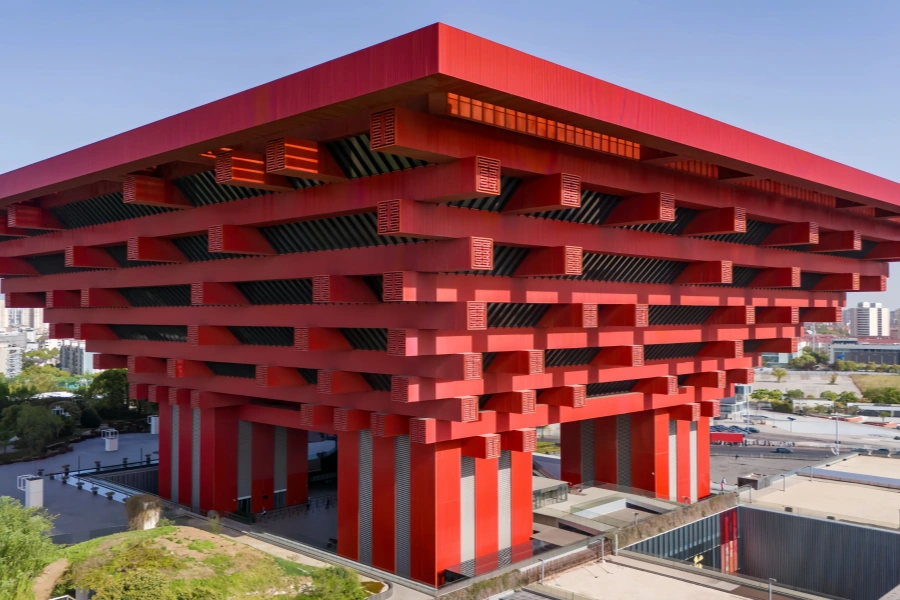
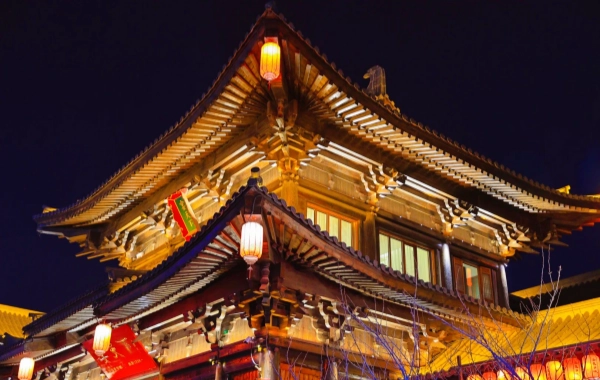
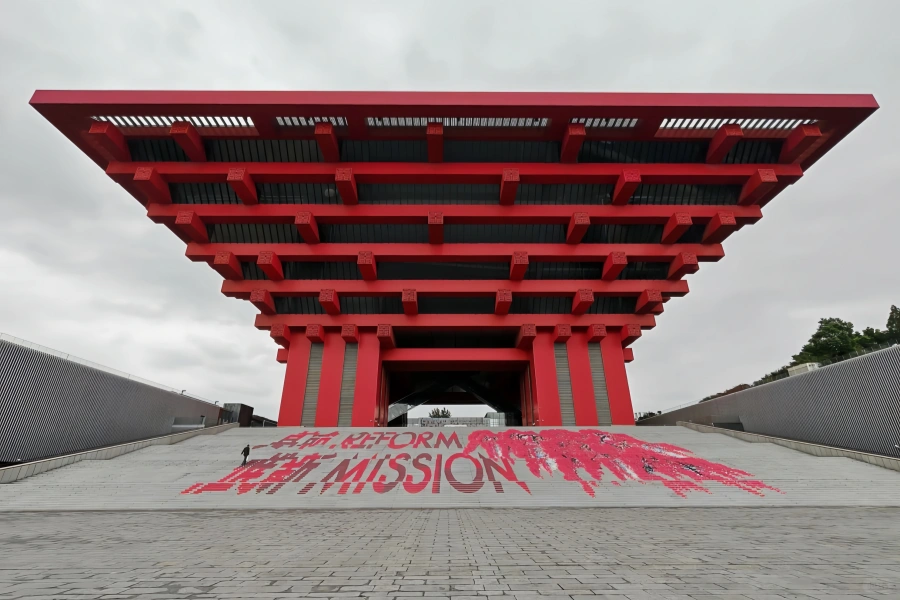
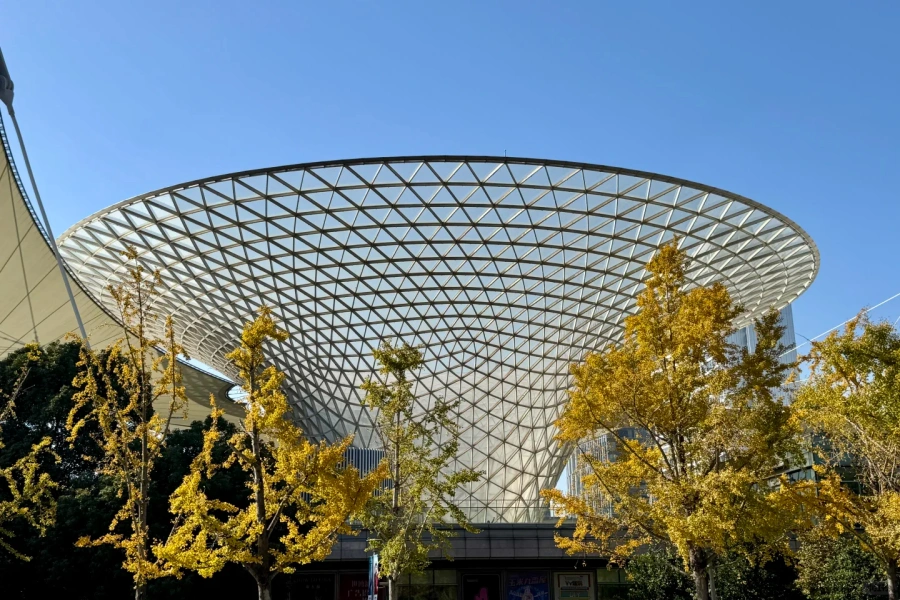
The building itself is the first great work of art of the China Art Museum.
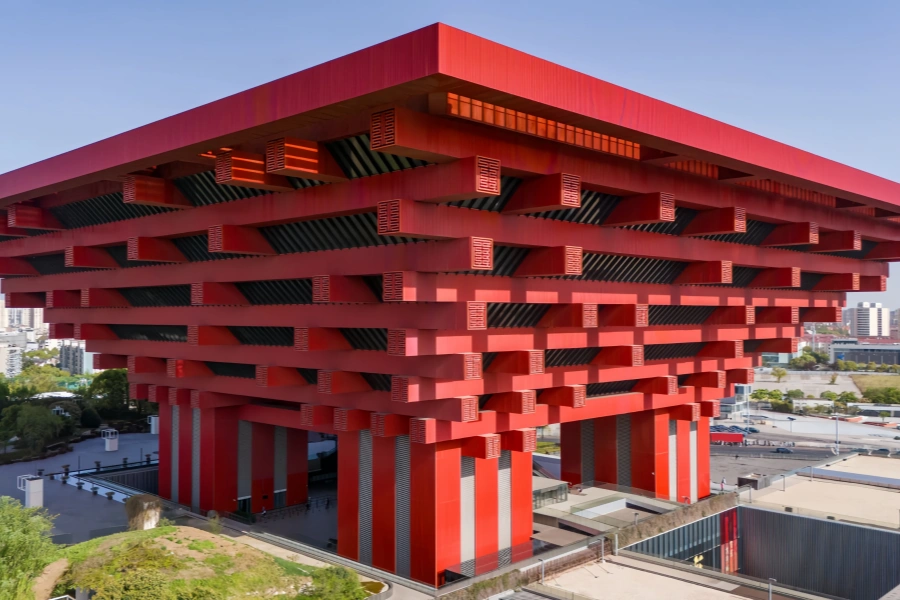
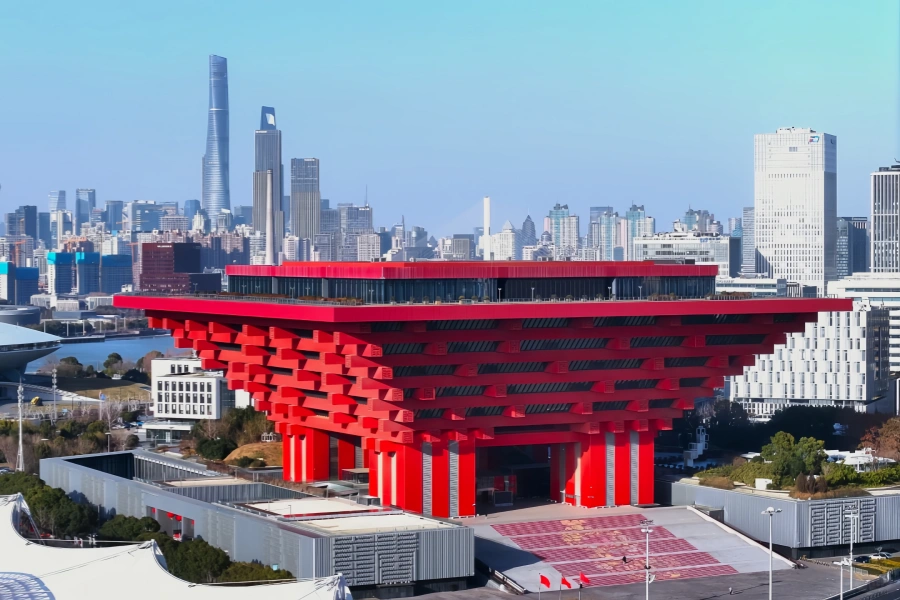
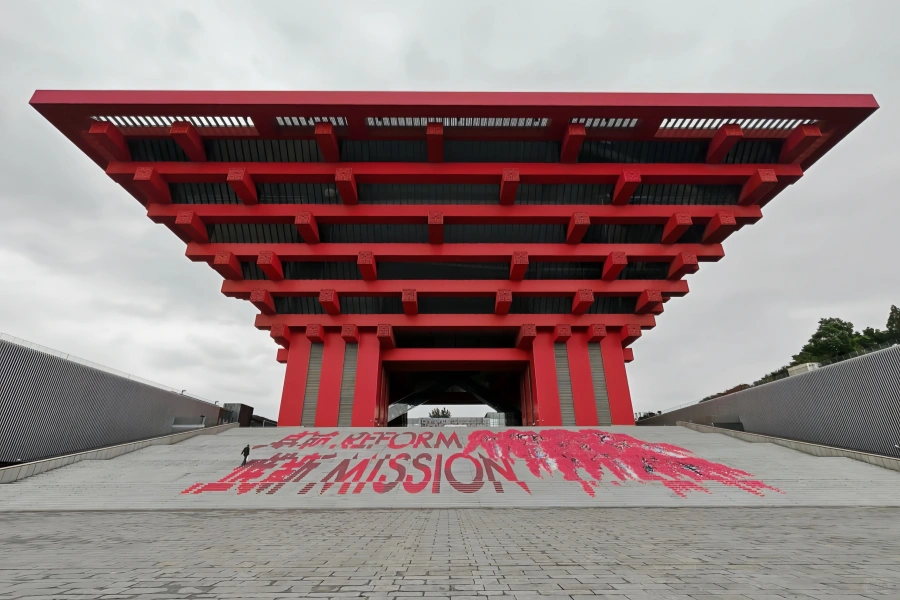
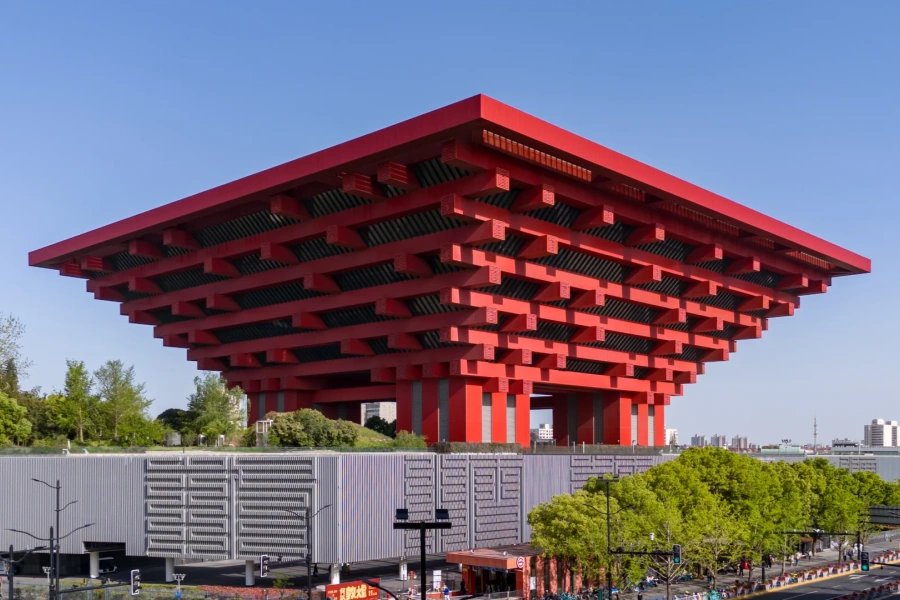
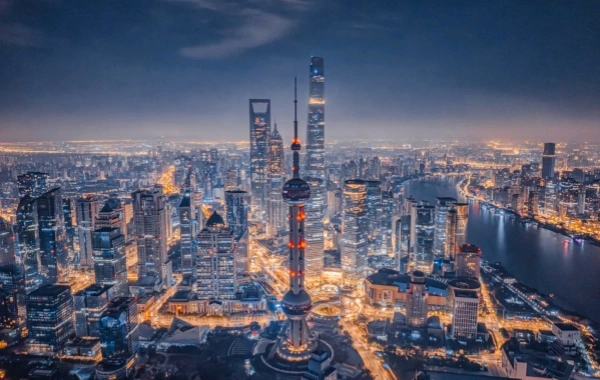
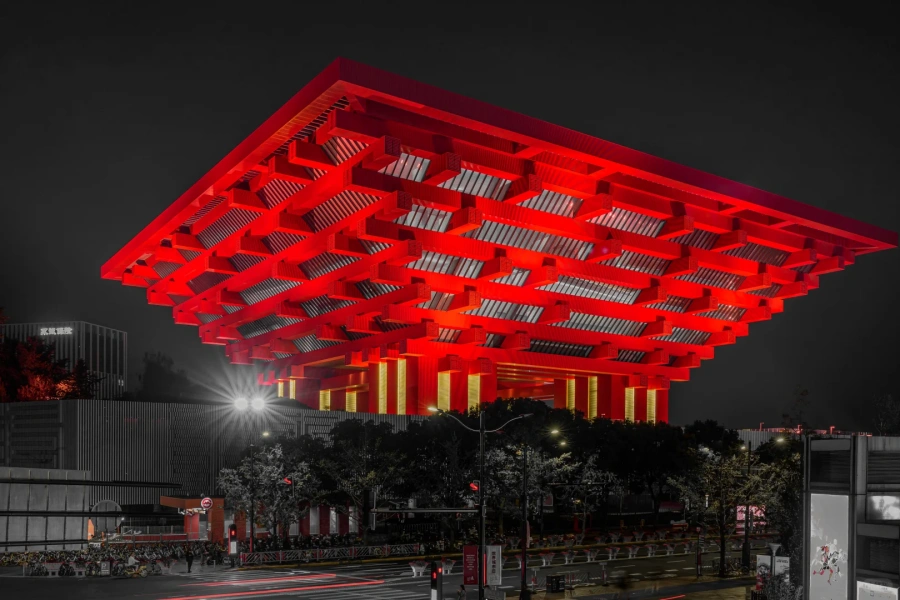
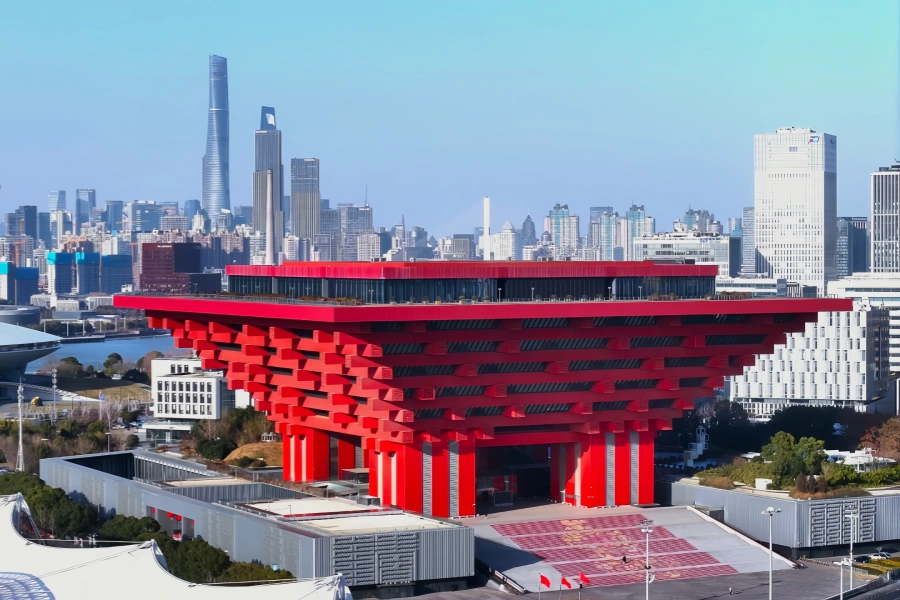
- The architectural imagery of the "Crown of the East": From a distance, its layered, projecting bracket-like design forms a highly recognizable silhouette on the banks of the Huangpu River. Its 63-meter height and massive scale create a solemn and majestic sense of ceremony. Its China Red facade, which displays rich variations under different lighting and weather conditions, has become one of Shanghai's iconic urban colors.
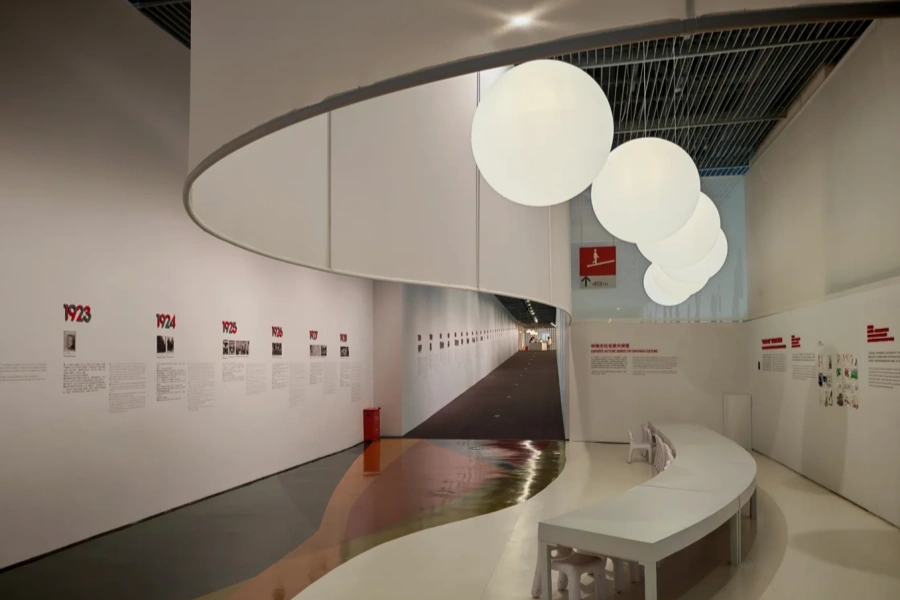
- The grand entrance hall of "The Pulse of Art": Stepping into the central hall of the palace, the 49-meter-high atrium opens up a sense of spaciousness. Sunlight streams in through the glass skylight at the top, illuminating the spiraling walkway and creating a strong sense of space, earning it the reputation of "a time tunnel leading to the temple of art." Large-scale installation art is often displayed here, serving as the starting point for the dialogue between architecture and exhibits.
- The permanent core of the "National Treasures" exhibit: the multimedia version of "Along the River During the Qingming Festival" located on the 49th floor, is the museum's crown jewel. It is not a simple copy of the original painting by Zhang Zeduan of the Song Dynasty, but rather a digital enlargement of the original painting hundreds of times, bringing the figures, livestock, boats, and vehicles in the painting to life and vividly recreating the day and night atmosphere of Bianjing (Kaifeng) in the Northern Song Dynasty. It is a pinnacle experience of the fusion of technology and classical art.
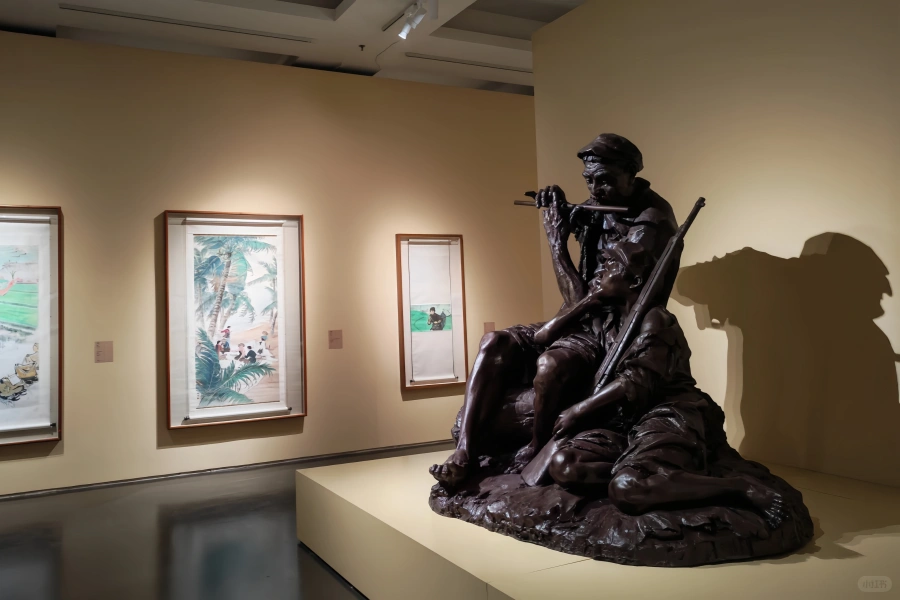
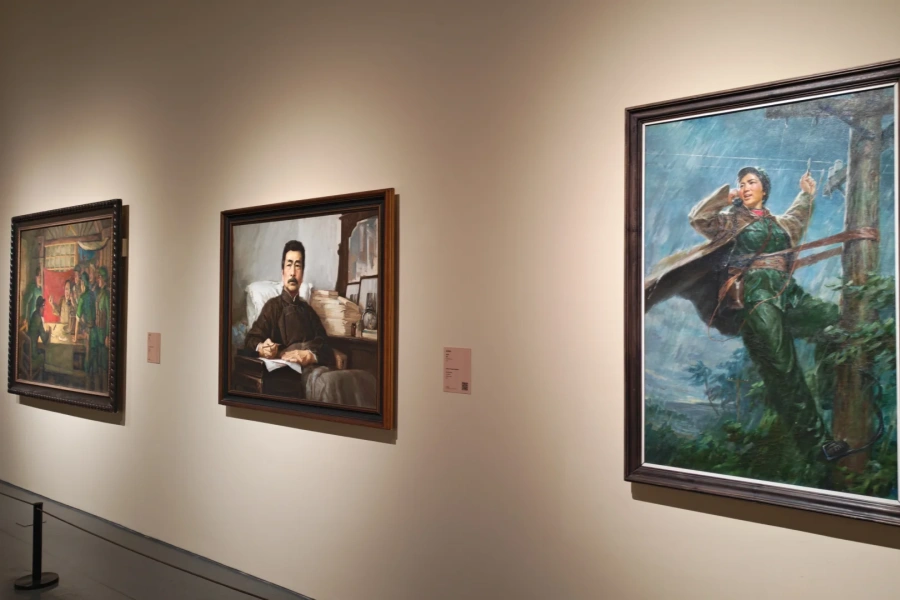
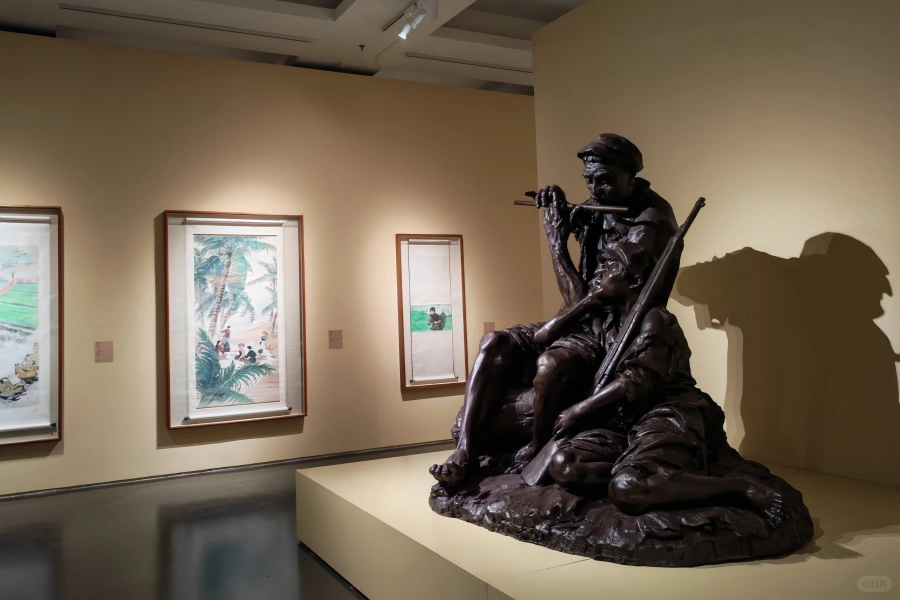
- A Century of Accumulation of "The Splendor of the Sea": The core permanent exhibition of the Art Museum is the "A Bright Moon Rises Over the Sea: The Origins of Modern and Contemporary Chinese Art" series. It systematically showcases the works of artists from the "Shanghai School" such as Ren Bonian and Wu Changshuo, to modern masters such as Lin Fengmian and Liu Haisu, and even contemporary artists, forming a three-dimensional history of modern and contemporary Chinese art.
Artistic panorama – a flowing feast and a live demonstration of thought.
Beyond its timeless classics, this place is also at the forefront of global art trends.
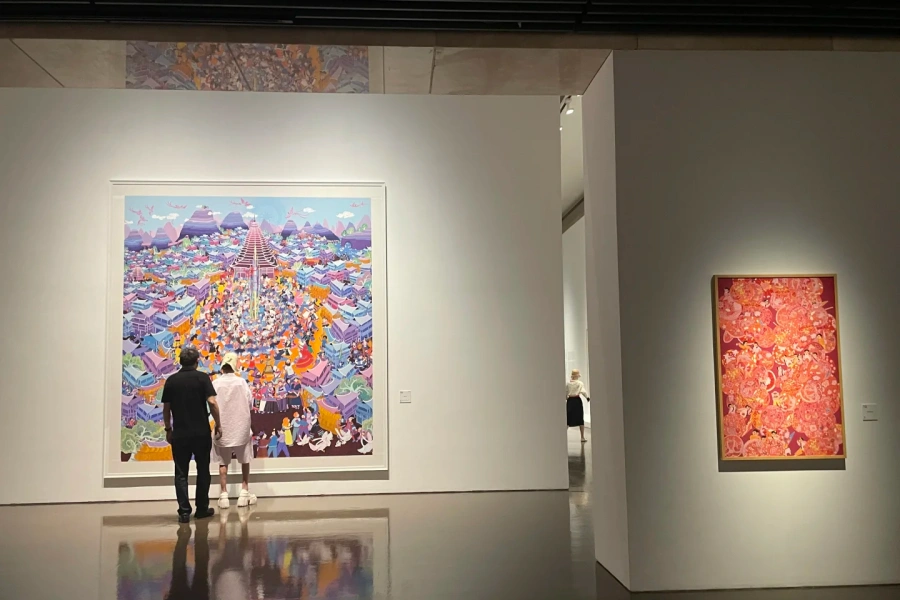
- A feast of world-class special exhibitions: The Palace of Fine Arts regularly hosts large-scale retrospective exhibitions and thematic exhibitions by top domestic and international artists. From Wu Guanzhong and Chu Teh-Chun to Western masters, the exhibitions are of high standard and professionally designed, providing an important window for close-up viewing of world-class original artworks.
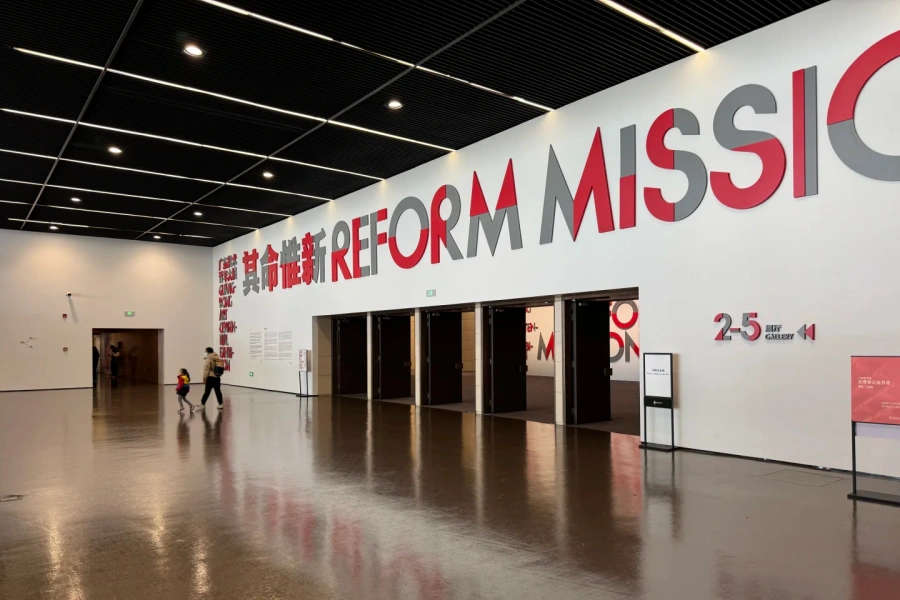
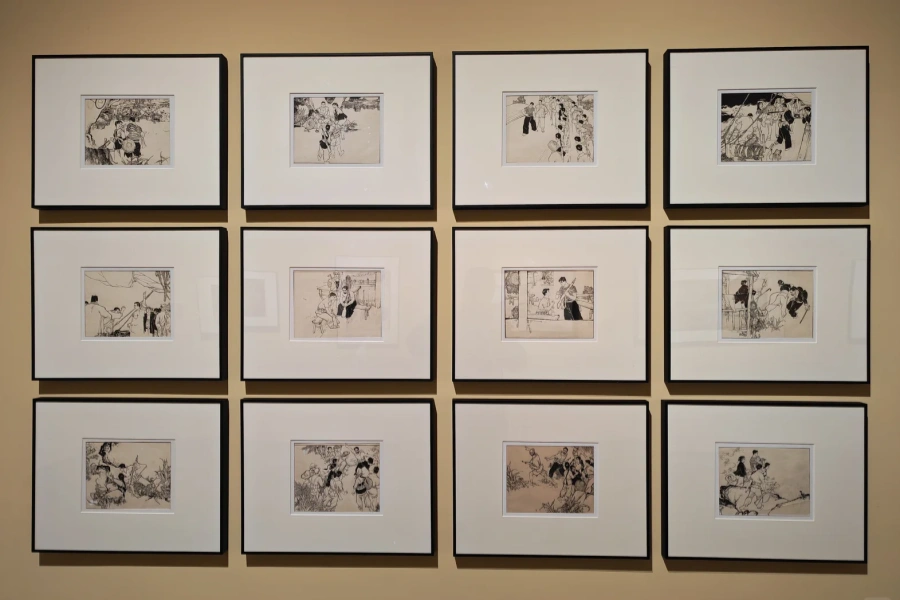
- Diverse exhibition spaces: The museum boasts dozens of exhibition halls of varying sizes, capable of accommodating multiple exhibitions of different types simultaneously. From large-scale oil paintings and sculptures to exquisite prints, ink paintings, and crafts, the museum covers all art categories to satisfy the preferences of diverse audiences.
- A vibrant space for public education: The Palace of Fine Arts is not only a place to view art, but also a place for learning and interaction. It frequently hosts art lectures, workshops, and educational activities for children, bringing art down from its pedestal and integrating it into public life.
Visitor Guide:
The best spots to photograph the exterior of the building are the waterfront platform in the Expo Park or near the Mercedes-Benz Arena, where you can capture panoramic views of the Palace of Fine Arts and its reflection in the water.
The lighting inside the "Along the River During the Qingming Festival" exhibition hall is dim, so please do not use flash photography. We recommend that you calmly watch the complete dynamic loop (about 4 minutes).
Follow our official WeChat account to learn about special exhibition information and reserve tickets in advance (permanent exhibitions are free, while special exhibitions usually charge a fee).
Wearing comfortable flat shoes, the venue is huge and the tour route is quite long, making it a true "art stroll".