Natural Creation - Light and Shadow Magic between Mountains and Rivers
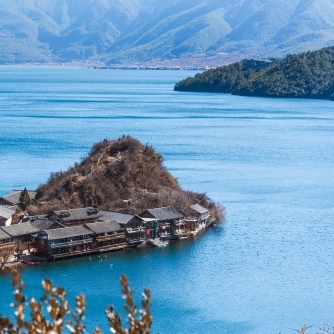
The natural beauty of Erhai Lake lies in its natural harmony with Cangshan, and in its ever-changing light, shadow, and water colors.
Dynamic Water: The Countless Meteorology of the Lake Surface
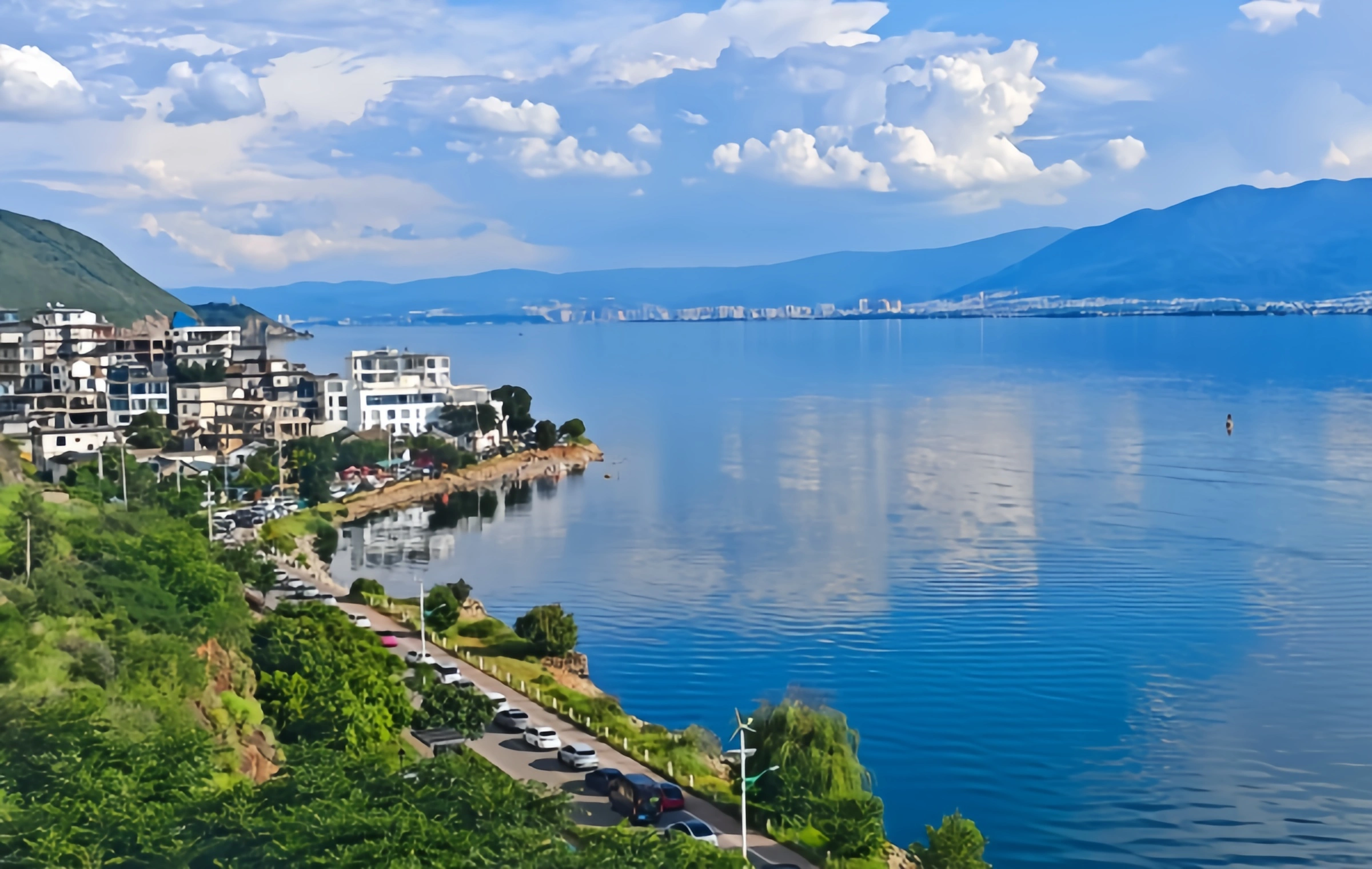
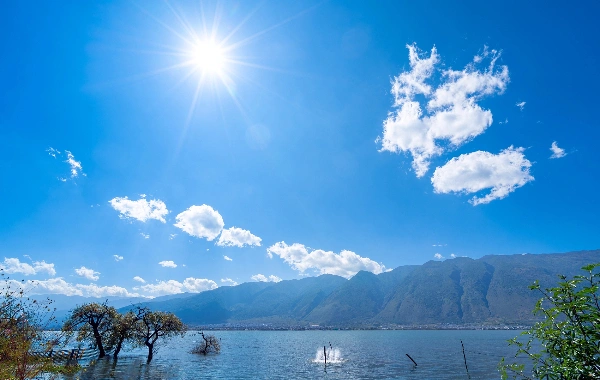
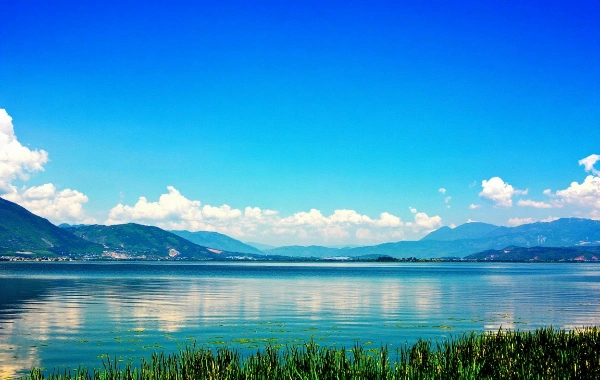
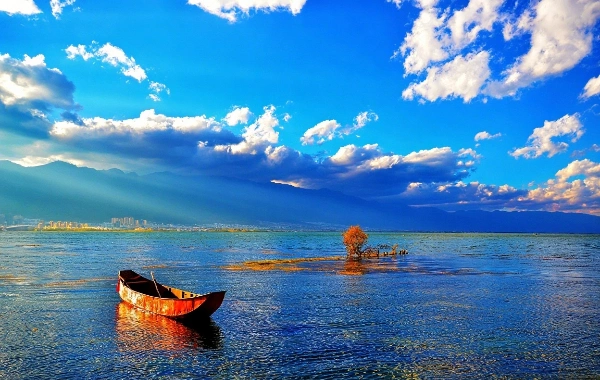
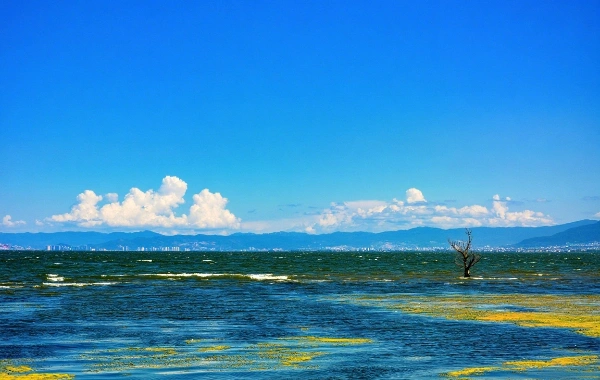
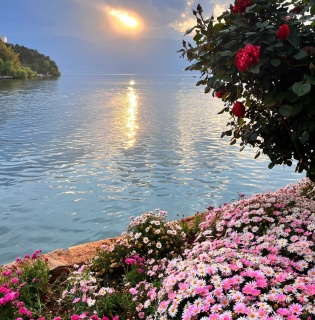
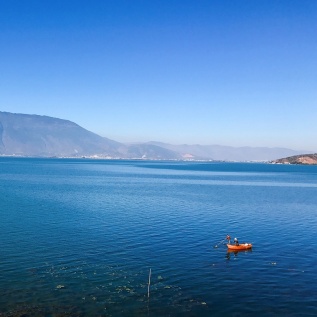
The water of Erhai Lake presents rich colors and states with weather, light, and seasons. On a clear day, the lake water is blue and crystal clear, reflecting the majestic figures of the nineteen peaks of Cangshan, creating a classic scene of "green mountains embracing green water, lake shadows reflecting mountain light". At sunrise, the eastern lake surface is dyed golden red, with fishing boats weaving through it in silhouette; In the evening, the west bank is bathed in the afterglow of the "Cangshan Sunset", and the lake water shimmers with ripples. The most famous one is undoubtedly the "Erhai Moon". On the fifteenth day of the lunar calendar, the bright moon rises from the east and reflects on the mirror like lake surface, forming a strange scene of "a moon in the sky and a moon in the water", with an ethereal and distant artistic conception.
Ecological Scroll: Wetlands, Birds, and Countryside
There are numerous ecological wetlands distributed around Erhai Lake, such as Caicun Wetland, Majuyi Wetland, etc. Here, the water and grass are abundant and it is an important stopover for migratory birds. In winter, flocks of red billed gulls can be seen playing here. The pastoral scenery around the lake is equally charming, with a sea of rapeseed flowers in spring, green rice waves in summer, and a bountiful harvest in autumn, forming a layered pastoral symphony with Bai ethnic dwellings and distant mountains. The 129 kilometer ecological corridor around Erhai Lake, which was fully completed in 2015, connects the coastal lakefront, wetlands, and villages, becoming the best path to experience the beauty of Erhai Lake's ecology.
Humanistic Craftsmanship - Fireworks and Poetry of Lakeside Homes
The cultural landscape of Erhai Lake is deeply imprinted with the wisdom and philosophy of life of the Bai people.
Bai Ethnic Ancient Village: Living Architecture Museum
Xizhou Ancient Town: known as the "number one town of the Bai ethnic group", it preserves a large number of Bai ethnic characteristic residential buildings from the Ming and Qing dynasties to the Republic of China, with the Yan, Dong, and Yang courtyards being the most famous. This is not only a hall of architectural art, but also a place to experience Bai ethnic tie dyeing, taste Xizhou crispy rice cake, and feel the simple folk customs.
Zhoucheng: China's largest Bai ethnic natural village, known for its national intangible cultural heritage "Bai ethnic tie dye". Tourists can walk into the workshop and witness the entire process of extracting dyes from the Banlangen plant, hand tying flowers, soaking and rinsing, and take away a unique tie dye cloth.
Shuanglang Ancient Town: With an excellent viewing location on the northeast bank of Erhai Lake, it is known as the "Number One Town in Cang'er Scenic Area". This used to be the sailor training base of Nanzhao Kingdom, but now it attracts tourists with waterfront homestays, artist studios, and Yang Liping's Sun Palace art space.
Faith and Festivals: Spiritual Inspiration by the Lake
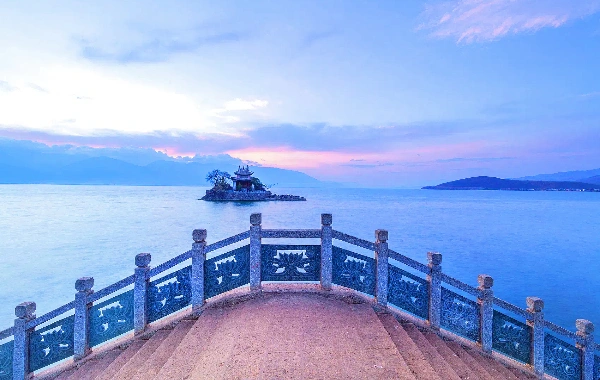
Around Erhai Lake, religious buildings such as Benzhu Temple, Guanyin Pavilion, and temples can be seen everywhere, reflecting the integration of Bai ethnic "Benzhu Worship" with diverse beliefs such as Buddhism and Taoism. The traditional festivals such as the Torch Festival on the 25th day of the sixth lunar month and the Three Spirits Festival in the fourth lunar month are the best time to experience the Bai ethnic carnival and ancient sacrificial culture. In addition, on the small island of Xiaoputuo in the center of the lake, the Guanyin Pavilion, which was first built in the Ming Dynasty, has a continuous stream of incense offerings. By taking a boat to the island, one can have a panoramic view of Erhai Lake and a unique cave.
Photography tips:
In the early morning at Caicun or Longkan Wharf, you can capture the sunrise over Erhai Lake, the morning mist of fishing boats, and the flying red billed gulls;
In the afternoon, in the middle section of Huanhai West Road, I used side lighting to capture the perfect reflection of Cangshan in Erhai Lake;
In the evening, wait to capture the sunset glow of Erhai Lake and the "Jesus Light" in Shuanglang or Duse Town;
At night, in Erhai Park or Binhai Avenue, you can try to capture the scene of the "Erhai Moon" blending with urban lights;
Drone aerial photography can provide a magnificent view of the winding roads around the lake, the scattered villages, and the panoramic view of Cang'er (subject to local regulations).